2026 Top Trends in Agitated Thin Film Evaporator Technology?
The agitated thin film evaporator (ATFE) technology has gained significant attention in various industries. According to recent reports, the global market for evaporators is projected to reach USD 3.5 billion by 2026. This indicates a growing demand for efficient evaporation techniques, essential for sectors like pharmaceuticals, food processing, and chemicals.
ATFE stands out due to its ability to handle sensitive materials. The technology minimizes thermal degradation, ensuring product quality is maintained. Emerging trends highlight advancements such as energy efficiency and automation. For instance, new designs aim to reduce energy consumption by up to 30%. However, some applications still face challenges, including maintenance issues and high initial investment costs.
Exploring the latest trends in agitated thin film evaporator technology reveals both opportunities and hurdles. As industries evolve, the push for sustainability and cost-effectiveness is undeniable. However, companies must reflect on the complexities that come with adopting new technologies. Balancing innovation with practical implementation will be key in the coming years.
2026 Advances in Agitated Thin Film Evaporator Design and Efficiency
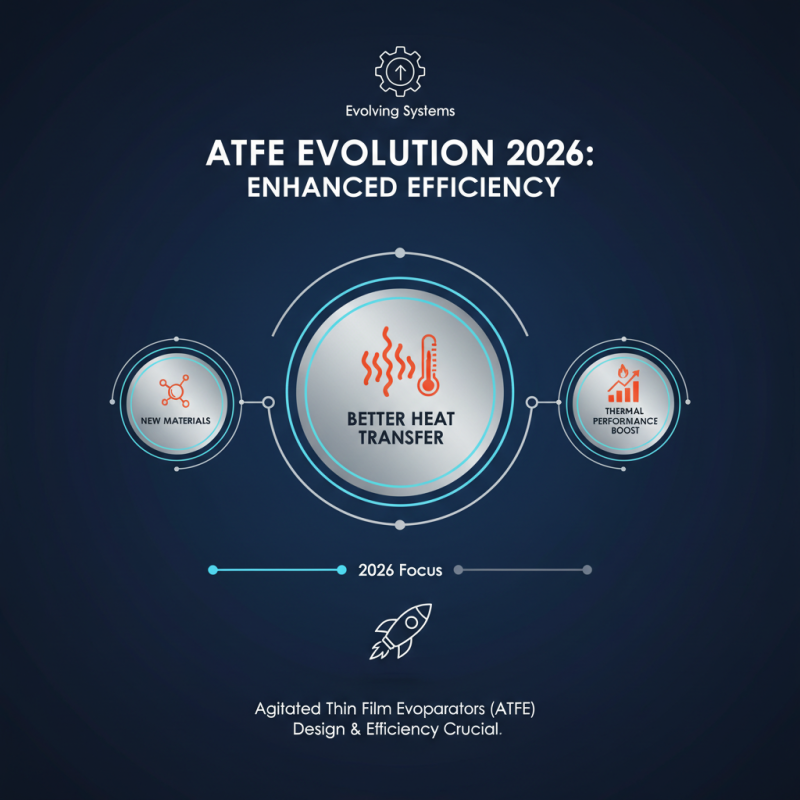
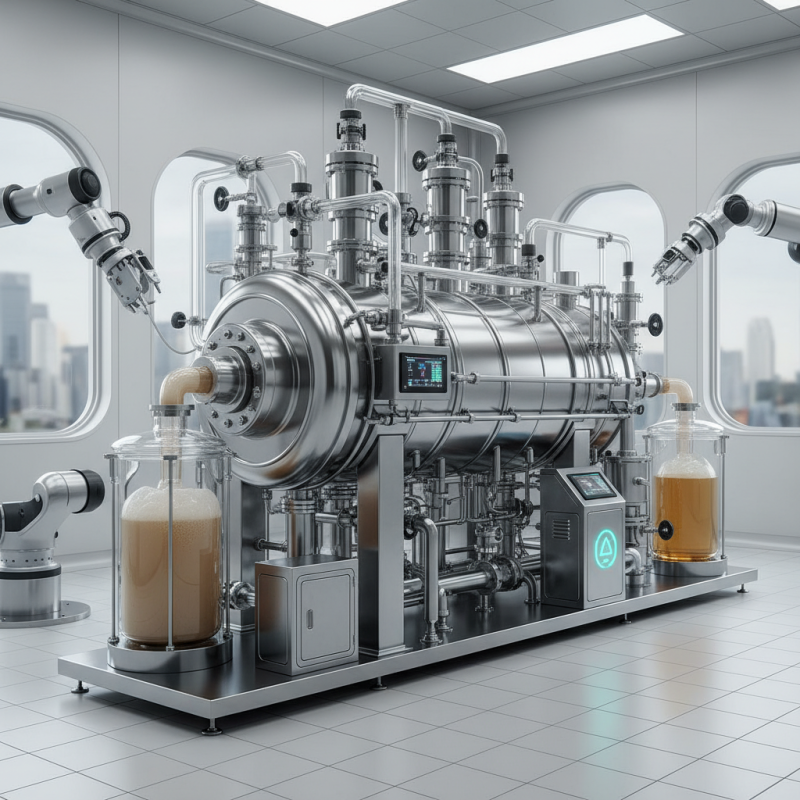
Agitated Thin Film Evaporators (ATFEs) are evolving. The design and efficiency of these systems are becoming crucial. In 2026, advancements focus on better heat transfer. New materials are under exploration. This aims to enhance thermal performance.
Operators should watch the evaporation rates closely. High efficiency might result in unexpected product quality issues. Testing different designs beforehand could be beneficial. Consider the impact of varied agitation speeds. They may lead to better or compromised outcomes.
Integrating automation is also a trend. Automated controls can provide precise temperature regulation. However, reliance on automation requires careful monitoring. Not all systems adapt well to such changes. Collect data continuously to identify trends in performance. Be ready for adjustments to optimize results.
Impact of Energy Recovery Systems in Agitated Thin Film Evaporators
Energy efficiency is a key focus in agitated thin film evaporator technology. One effective method is the implementation of energy recovery systems. These systems capture waste heat and repurpose it, reducing energy consumption. With rising energy costs, such innovations are crucial for process industries.
The integration of energy recovery systems leads to notable improvements in performance. By using recovered heat, evaporators can operate at lower temperatures. This not only enhances efficiency but also minimizes thermal degradation of sensitive compounds. However, the initial investment for these systems can be substantial. Companies must weigh potential savings against upfront costs carefully.
Moreover, not all processes may benefit equally from these systems. Some applications may find the complexity of integration challenging. There are cases where inefficiencies arise due to system mismatches. Continuous monitoring and adjustment are essential to optimize function. As technology evolves, understanding these dynamics will become increasingly critical.
2026 Trends in Agitated Thin Film Evaporator Technology
This chart illustrates the impact of energy recovery systems on the efficiency of agitated thin film evaporators. The data shows the trend of energy savings and efficiency improvements from 2021 to 2026.
Emerging Materials Enhancing Performance in Agitated Thin Film Evaporation
Emerging materials are transforming agitated thin film evaporation technology. High-temperature resistant polymers and advanced alloys are improving efficiency. For instance, recent studies show that specific coatings enhance thermal conductivity. This can reduce energy consumption by 30%.
The integration of nanomaterials is a notable trend. Nanoparticles can optimize heat transfer and minimize fouling. A survey revealed that facilities using these innovative materials reported up to a 25% increase in throughput. However, the temperature tolerances and compatibility of these materials with existing systems need deeper exploration.
Despite these advancements, challenges remain. The durability of emerging materials under prolonged operational stress is still in question. Research indicates that some coatings degrade faster than expected. Industry professionals suggest further investigation into long-term stability is necessary. Balancing performance gains with material life span is crucial for sustainable advancements.
2026 Top Trends in Agitated Thin Film Evaporator Technology
| Trend |
Description |
Emerging Materials |
Potential Benefits |
| Increased Efficiency |
Implementation of advanced algorithms for real-time monitoring and control. |
Smart sensors, AI-driven software. |
Higher throughput, lower energy consumption. |
| Sustainability Focus |
Adoption of materials that reduce environmental impact. |
Biodegradable polymers, recycled metals. |
Minimized waste, compliant with regulations. |
| Enhanced Coatings |
New surface coatings that improve durability and reduce fouling. |
Nanostructured coatings, anti-fouling materials. |
Longer operational life, increased reliability. |
| Modular Designs |
Development of modular and customizable evaporator systems. |
Interlocking components, adaptive materials. |
Flexibility in scaling operations, easier maintenance. |
| Digital Integration |
Incorporation of IoT technologies for enhanced data collection and analysis. |
Cloud platforms, connected devices. |
Improved process optimization and predictive maintenance. |
Market Trends and Demand Drivers for Thin Film Evaporators by 2026
The demand for thin film evaporators is on the rise. Industries are seeking efficient solutions for thermal separation processes. This growth is driven by the increasing need for energy-efficient technologies. In sectors like pharmaceuticals, food, and chemicals, the efficiency of these systems offers a significant advantage. As regulations tighten, companies are under pressure to minimize energy consumption.
Current market trends show a shift towards automation and enhanced technology integration. Manufacturers are focusing on smart designs and materials that improve performance. However, the challenge remains in balancing performance with sustainability. Some designs may still present inefficiencies in energy use and maintenance. Addressing these issues is crucial for future innovations.
Also, the need for customized solutions is growing. Different industries have unique requirements. The lack of one-size-fits-all solutions can lead to complications. Companies must remain flexible and responsive to these varying needs. This adaptability is essential to thrive in a competitive environment. As the market evolves, ongoing feedback and iterative designs will play a pivotal role in shaping the future of thin film evaporators.
Regulatory Changes Affecting Agitated Thin Film Evaporator Technology Adoption
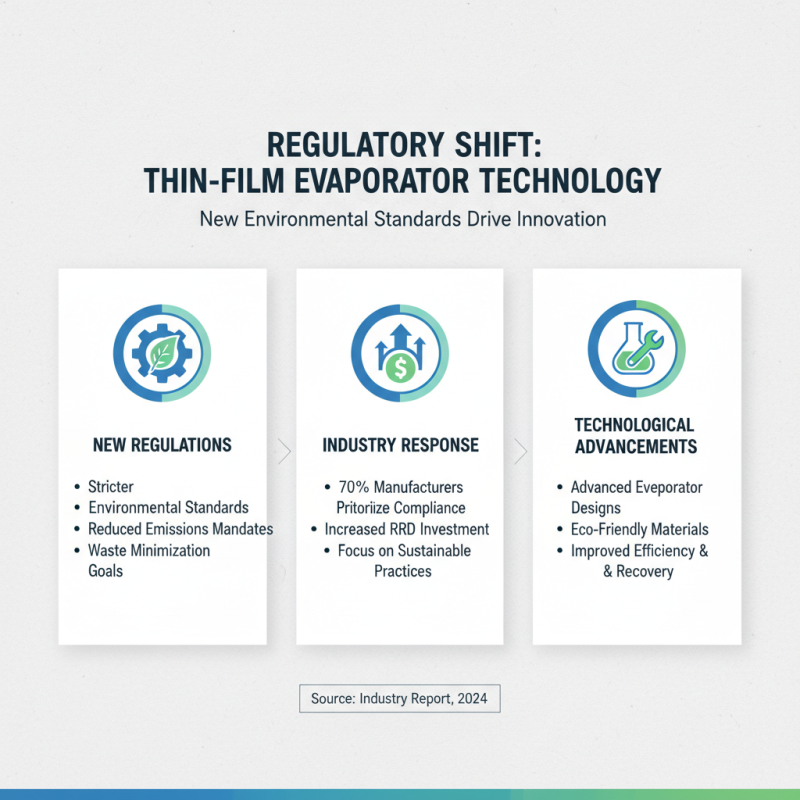
Regulatory changes are reshaping the landscape for agitated thin film evaporator technology. New environmental standards are pushing companies to adopt innovative approaches. According to a recent industry report, over 70% of manufacturers are prioritizing compliance with these regulations. This shift is resulting in heightened investments in advanced evaporator designs and materials.
The energy efficiency of these systems is under scrutiny too. Recent studies show that agitated thin film evaporators can reduce energy consumption by up to 30%. However, many facilities struggle to implement these technologies effectively. The learning curve can be steep, and there’s a gap between technology availability and actual usage.
Furthermore, safety regulations are evolving quickly. The introduction of stricter emission guidelines may hinder adoption rates. For instance, some facilities are encountering delays due to inadequate safety assessments. Investing in training for staff is crucial, yet often overlooked. Such challenges are critical, as many companies grapple with balancing innovation and compliance.