10 Best Electric Generators for Global Buyers
Choosing an Electric Generator for international use involves more than comparing wattage and price. Buyers must examine fuel availability, voltage stability, noise limits, maintenance access, and local climate. A compact petrol unit may suit a rural workshop, while a diesel model could better support a construction site or medical facility. Battery-based systems also deserve attention, especially where solar charging is practical.
Cummins CEO Jennifer Rumsey has said, “We are committed to helping our customers make the transition to net zero.” That view matters when comparing conventional generators with hybrid and low-emission alternatives. A responsible choice should balance dependable output with fuel consumption, exhaust control, and long-term operating costs. It should also consider whether replacement filters, lubricants, and trained technicians are available nearby.
Real-world testing reveals details that specification sheets often hide. Can the starter work after a cold night? Does the control panel remain readable in bright sunlight? Will the frame resist dust, humidity, and rough transport? These questions shape our review of the 10 Best Electric Generators for Global Buyers. We assess performance, portability, safety features, warranty support, and regional adaptability.
No ranking fits every market. That is the difficult part. A generator praised in Europe may be inconvenient in Southeast Asia or Africa because service networks differ. Our selection is practical, but not flawless. Product availability changes, and published ratings may not reflect every operating condition. Buyers should confirm certification, installation requirements, and load calculations with qualified professionals before purchase.
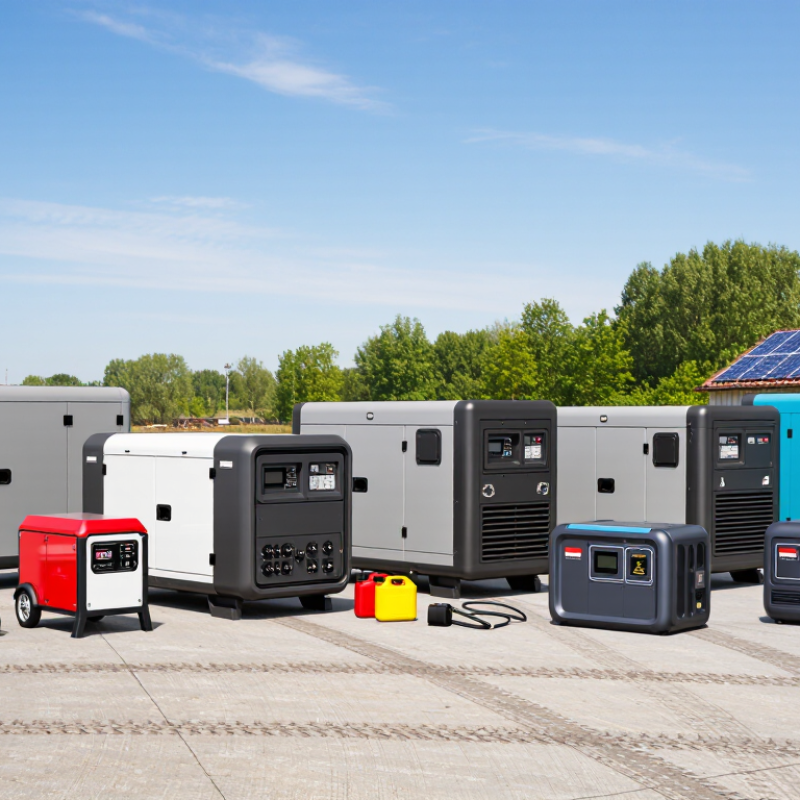
What an Electric Generator Is and How It Works
An electric generator produces electricity by converting mechanical energy into electrical energy. It does not create energy from nothing. An engine spins a rotor inside an alternator, where changing magnetic fields induce current in copper windings. This process is called electromagnetic induction.
The engine may use diesel, gasoline, natural gas, or another approved fuel. A fuel system feeds the engine, while the crankshaft drives the rotor through a coupling. The alternator then sends electricity to an outlet or transfer switch. A voltage regulator helps maintain steady output when appliances start or stop. Sensitive equipment may need an inverter generator, which converts and rebuilds the electrical waveform for cleaner power.
In practical use, buyers should match generator capacity with starting and running loads. A refrigerator might draw modest power while operating, but its compressor can demand much more for a few seconds. Add lights, pumps, and tools before selecting the rated output. Leave spare capacity.
Noise matters.
Ventilation matters more.
Carbon monoxide can build up quickly in enclosed spaces, even when a door is partly open. Place the generator outdoors, away from windows and air intakes, and follow local electrical rules. A transfer switch should be installed by a qualified electrician to prevent dangerous backfeeding. The explanation sounds tidy, but real machines are less tidy: cold weather, poor fuel, overloaded circuits, and skipped maintenance can reduce performance. Oil level, grounding, cable condition, and test runs deserve regular attention. European, Asian, African, and American markets may also use different voltages, frequencies, plugs, and certification requirements.
The Main Types of Generators for Different Global Needs
Choosing among the 10 best electric generators starts with the load, fuel access, and operating environment. Portable gasoline models suit short outages and small tools. Inverter generators provide cleaner power for laptops, medical electronics, and communication equipment. Diesel units remain practical for construction sites, farms, and longer duty cycles. They handle heavy loads well, but fuel storage, noise, and maintenance require planning.
Natural-gas generators fit properties with reliable pipeline access. Propane models store fuel longer and perform well during emergency power loss. Dual-fuel systems add flexibility when one fuel becomes unavailable. Standby generators start automatically and protect homes, clinics, and small businesses. Industrial sets support factories and remote infrastructure, while solar-battery systems offer quiet, low-maintenance backup. Hybrid systems combine batteries with an engine, reducing runtime during light loads.
The International Energy Agency’s Electricity 2024 report expects global electricity demand to grow about 4% annually through 2026. That pressure increases interest in dependable backup power, especially where grids remain unstable. The U.S. Energy Information Administration also identifies natural gas as a major electricity-generation fuel in the United States, showing why fuel availability shapes equipment choices. Still, a generator’s advertised output can mislead. Starting currents from pumps or compressors may exceed running watts by several times. A smaller unit may fail quickly. A larger one may waste fuel. The better method is to measure real loads, allow starting capacity, and check local fuel and emissions rules before purchase.
Key Factors for Comparing Generator Performance and Value
10 Best Electric Generators for Global Buyers
Comparing the ten best electric generators requires more than checking the largest wattage number. Rated output matters most because it reflects continuous performance. Starting output supports short surges from pumps, refrigerators, and workshop tools. A useful test runs the generator at 50% to 75% load for several hours. Watch the fuel gauge, outlet temperature, and voltage stability. Small differences become obvious during a long power cut.
Global buyers should match voltage, frequency, plug design, and phase requirements before comparing prices. A generator made for 120 volts may not suit a 230-volt home. In some markets, 50 Hz equipment needs different support than 60 Hz equipment. Inverter models often provide cleaner power for computers, medical devices, and sensitive controls. However, their purchase price and repair complexity can be higher. Quiet operation helps in residential areas, but sound ratings need careful reading. The test distance may vary.
Value includes more than fuel economy. Calculate purchase cost, fuel use, scheduled servicing, transport, storage, and replacement parts. Check the warranty language and local service access. An inexpensive unit can become costly when filters or control boards require overseas shipping. Safety features also deserve attention, including overload protection, low-oil shutdown, grounding guidance, and carbon monoxide monitoring for suitable outdoor use. Certification should match the destination market. Claims can look impressive, yet real performance may change with heat, altitude, and poor fuel. That uncertainty deserves honest consideration.
10 Best Electric Generators for Global Buyers - Key Factors for Comparing Generator Performance and Value
Comparison of common generator configurations using representative published specifications and typical market ranges
| Rank | Generator Configuration | Best Use | Rated Output | Starting Output | Fuel / Technology | Runtime at 25% Load | Noise at 7 m | Approx. Weight | Typical Voltage | Value Profile |
| 1 | Compact Inverter Generator, 1.8 kW Class | Camping, electronics, lighting and small appliances | 1,800 W | 2,200 W | Petrol / Inverter | 8–12 h | 48–58 dB(A) | 18–25 kg | 120 V or 230 V | Excellent portability |
| 2 | Mid-Size Inverter Generator, 3.0 kW Class | Refrigerators, tools, recreational vehicles and backup essentials | 3,000 W | 3,500 W | Petrol / Inverter | 7–11 h | 50–60 dB(A) | 28–38 kg | 120 V or 230 V | Strong all-round value |
| 3 | Dual-Fuel Inverter Generator, 3.5 kW Class | Areas requiring fuel flexibility and emergency backup | 3,200 W | 3,800 W | Petrol / LPG / Inverter | 8–12 h petrol
10–18 h LPG | 52–62 dB(A) | 30–42 kg | 120 V or 230 V | High fuel flexibility |
| 4 | Open-Frame Portable Generator, 4.5 kW Class | Construction tools, pumps and short-duration power backup | 4,500 W | 5,500 W | Petrol / Conventional alternator | 10–14 h | 68–78 dB(A) | 55–75 kg | 120 V or 230 V | Best output per cost |
| 5 | Large Inverter Generator, 5.0 kW Class | Quiet home backup and sensitive electronic equipment | 5,000 W | 6,000 W | Petrol / Inverter | 8–12 h | 55–65 dB(A) | 50–70 kg | 120 V or 230 V | Low-noise premium |
| 6 | Dual-Fuel Open-Frame Generator, 6.5 kW Class | Home backup, power tools and remote work sites | 6,000 W | 7,500 W | Petrol / LPG / Conventional alternator | 9–13 h petrol
12–20 h LPG | 70–80 dB(A) | 70–95 kg | 120 V or 230 V | Versatile backup |
| 7 | Diesel Portable Generator, 7.0 kW Class | Frequent commercial, agricultural and industrial use | 7,000 W | 8,000 W | Diesel / Conventional alternator | 12–20 h | 72–82 dB(A) | 120–170 kg | 120/240 V or 230/400 V | Durability focused |
| 8 | Three-Phase Diesel Generator, 10 kVA Class | Workshops, pumps and balanced three-phase equipment | 8 kW | 10 kW | Diesel / Three-phase | 14–24 h | 70–80 dB(A) | 180–260 kg | 230/400 V | Commercial utility |
| 9 | Natural-Gas Standby Generator, 10 kW Class | Automatic residential backup where gas supply is available | 10,000 W | 10,000 W | Natural gas / Standby | Continuous while fuel is supplied | 60–72 dB(A) | 180–300 kg | 120/240 V or 230 V | Convenient automation |
| 10 | Battery Power Station, 2.0 kWh Class | Indoor backup, communications, medical devices and quiet operation | 1,800–2,000 W | 3,000–4,000 W surge | Lithium battery / Pure sine wave inverter | Depends on load | Silent to 30 dB(A) | 18–30 kg | 120 V or 230 V | Zero-emission indoor use |
Note: Specifications are representative ranges for widely sold generator configurations. Actual performance varies with operating altitude, temperature, load level, fuel quality, maintenance condition, voltage standard and local regulations.
Safe Operation, Maintenance, and Worldwide Purchasing Considerations
For global buyers, choosing one of the 10 best electric generators means checking more than power output. Match the generator’s rated and starting watts with your equipment. Refrigerators, pumps, and compressors often need extra starting power. Confirm the local voltage, frequency, plug type, and fuel availability before ordering. A model suitable for one country may damage equipment elsewhere.
Safe operation begins outdoors, on dry, level ground, away from doors and windows. Never use a portable generator in a garage, balcony, or enclosed workshop. Carbon monoxide can build up silently. Keep fuel in approved containers, let the engine cool before refueling, and use a transfer switch installed by a qualified electrician. Test carbon monoxide alarms and ground-fault protection regularly. Small details matter.
Maintenance should follow the service manual, not guesswork. Check oil before each extended use, inspect cables for cuts, and clean blocked air filters. Run stored units periodically, but record dates and operating hours. I have seen owners replace oil while ignoring loose terminals and brittle cords. That mistake is easy to repeat. For international purchases, request test reports, warranty terms, spare-parts availability, and clear instructions in a usable language. Verify customs requirements and local electrical rules with an authorized technician. Cheap shipping can become expensive when essential parts arrive months later.