Best Short Path Distillation Equipment for Global Buyers?
Short path distillation is an essential process in many industries, particularly for global buyers seeking efficiency and purity. This innovative technology allows for the separation of compounds under low temperatures, minimizing thermal degradation. It is especially valuable in the extraction of high-quality essential oils and cannabinoids.
Investing in the right short path distillation equipment can be challenging. Each manufacturer offers unique features, but not all may meet your business requirements. Evaluating these systems requires a significant understanding of both the process and the equipment. Users must consider factors like distillation efficiency, maintenance, and the equipment's adaptability to various materials.
As the market evolves, staying informed about the latest advancements is crucial. Buyers should seek expert opinions and reviews to ensure their choices align with industry standards. The correct equipment can enhance production quality, but mistakes in selection can be costly. Researching options thoroughly is paramount for success in your distillation endeavors.
Overview of Short Path Distillation Equipment
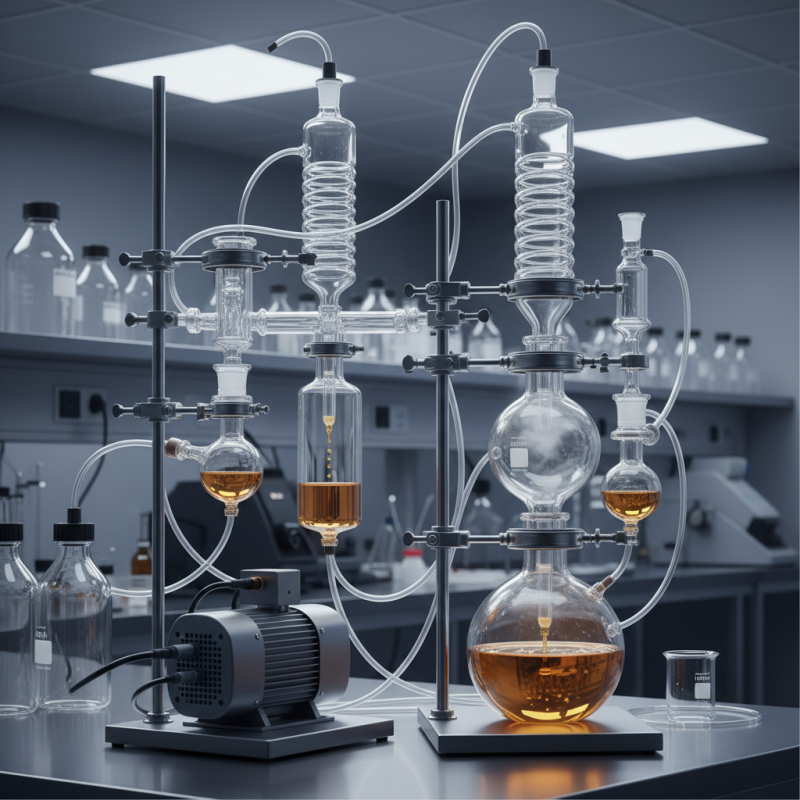
Short path distillation (SPD)
(SPD) equipment is essential in achieving high purity products in various industries. This technique is commonly used for sensitive materials that require efficient separation under low temperatures. Reports suggest that SPD can achieve purities exceeding 99% for compounds like essential oils and pharmaceuticals. The process occurs in a vacuum, reducing the boiling point of materials and minimizing thermal degradation.
Recent studies indicate a growing demand for reliable SPD systems. The global market for short path distillation is projected to reach $450 million by 2025. This indicates the increasing reliance on SPD for producing high-quality extracts. However, it’s crucial to note that while the basic design appears straightforward, operational challenges exist. Maintaining optimal vacuum levels and temperature control is critical for achieving desired outcomes.
Buyers should prioritize equipment that offers efficient heat transfer. Modern SPD units often incorporate advanced materials that ensure durability and thermal efficiency. Yet, potential users should be aware that environmental factors can affect performance. Regular maintenance and calibration are necessary to sustain efficiency. Moreover, investment costs for high-end equipment can be significant. It’s vital to balance quality with budget constraints, ensuring the chosen equipment meets both performance and financial expectations.
Key Factors to Consider When Purchasing Distillation Equipment
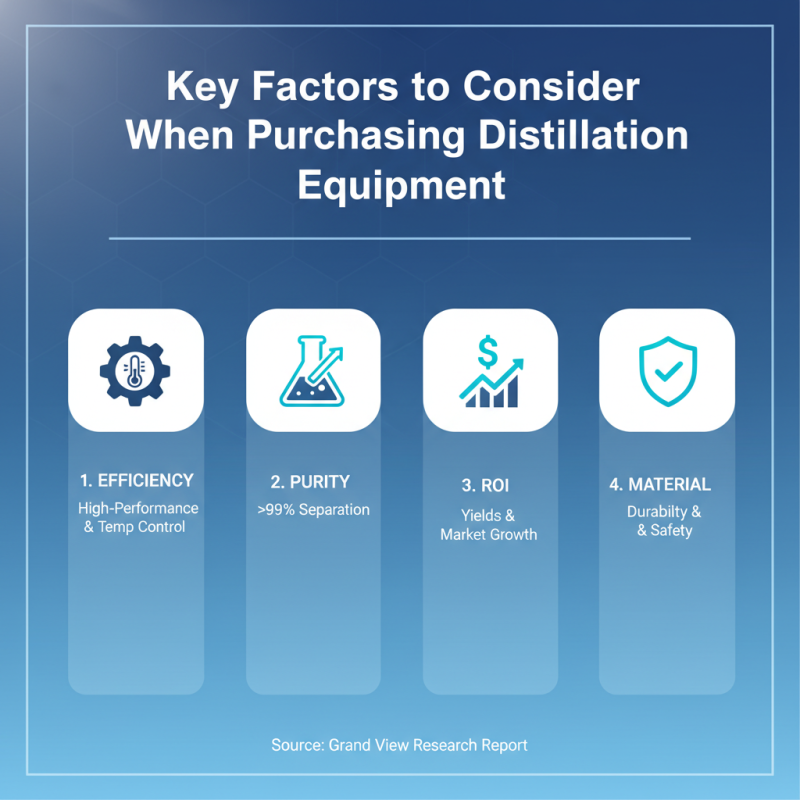
When purchasing short path distillation equipment, several key factors come into play. First, efficiency is crucial. According to a report by Grand View Research, the global distillation equipment market is projected to grow significantly, highlighting the need for high-performance machinery. Buyers should consider the equipment’s ability to maintain optimal temperatures. This affects separation effectiveness and overall yields. Short path distillation can achieve purities of over 99%, making precision vital.
Another important factor is material quality. The choice of materials affects durability and safety. High-quality stainless steel or glass are preferred to ensure longevity. Reports from industry experts indicate that equipment using sub-standard materials may lead to contamination, affecting product safety. Additionally, maintenance support is essential. Regular upkeep can prevent costly downtimes and extend the equipment's lifespan.
Buyers must also evaluate the technological features of the distillation unit. Advanced automation can simplify operations and improve accuracy. However, overly complicated systems may require specialized training. Balancing features with user-friendliness is necessary for efficient workflow. Understanding these factors thoroughly will help buyers make informed decisions, aligning their equipment choice with production goals.
Top Manufacturers of Short Path Distillation Equipment Worldwide
When exploring the best short path distillation equipment, understanding the major manufacturers in the industry is crucial. Reports indicate that the global short path distillation market is expected to grow significantly, with a projected CAGR of about 9.2% between 2023 and 2030. This growth is driven by increasing demand for high-purity products in pharmaceuticals and biotechnology sectors.
Several manufacturers are recognized for their innovative technologies and reliable solutions. These companies invest heavily in research and development to enhance equipment efficiency and reduce operational costs. Many providers also focus on customizing machines to meet specific client needs. As the market evolves, the importance of sustainability and energy efficiency continues to shape product offerings.
Tips: Always evaluate the equipment's specifications before purchase. Consider the distillation capacity and material compatibility. Also, think about maintenance needs. Investing in quality equipment can save money in the long run. Remember to assess the manufacturer's support and warranty options, as these play a vital role in ensuring long-term reliability.
Comparative Analysis of Different Short Path Distillation Technologies
Short path distillation is an efficient method for purifying various chemical compounds. This technology enables the separation of thermally sensitive substances. The method is effective in producing high-purity products while minimizing thermal degradation. According to recent industry reports, short path distillation can achieve purities exceeding 99%, making it a popular choice in sectors like pharmaceuticals and essential oils.
When comparing technologies, two main types stand out: wiped film and falling film distillation. Wiped film distillation operates by using a rotor to spread the liquid film evenly across the heating surface. It offers lower residence times, often less than a minute. This leads to reduced thermal exposure. On the other hand, falling film distillation relies on gravity to guide the liquid down a heated column. While its efficiency can be high, longer residence times may affect sensitive compounds.
Despite these advantages, inefficiencies can arise if the equipment is not properly calibrated. An improperly set temperature can result in lower yields and potential degradation of valuable components. Continuous process optimization is essential. Companies should invest in training personnel to adapt to various feedstocks and respond to real-time issues. Balancing speed and product quality remains a challenge that calls for careful consideration in equipment choice and operational practices.
Best Short Path Distillation Equipment for Global Buyers? - Comparative Analysis of Different Short Path Distillation Technologies
| Technology Type |
Operating Temperature (°C) |
Purity (% Yield) |
Throughput (L/h) |
Energy Efficiency |
Cost Range ($) |
| Traditional Short Path |
180-220 |
90 |
5-10 |
Moderate |
10,000 - 30,000 |
| Falling Film Distillation |
150-180 |
92 |
10-20 |
High |
20,000 - 50,000 |
| Wiped Film Distillation |
160-200 |
95 |
15-25 |
Very High |
30,000 - 70,000 |
| Rotary Vacuum Evaporator |
40-60 |
80 |
3-8 |
Moderate |
5,000 - 15,000 |
| Continuous Short Path Distillation |
180-230 |
90 |
20-50 |
High |
40,000 - 100,000 |
Maintenance and Safety Tips for Short Path Distillation Systems
Short path distillation systems are crucial for many industries, including
pharmaceuticals and
petrochemicals. Proper maintenance of these systems significantly impacts their efficiency and safety.
According to a report by the Institute of Chemical Engineers,
25% of distillation-related failures stem from improper maintenance practices.
Regular inspection of components, such as seals and heating elements, can prevent costly breakdowns.
Safety should not be overlooked. Operators must be trained to handle equipment correctly to avoid accidents.
In fact, a survey showed that 40% of incidents arise from user error.
Ensuring proper ventilation is essential to dissipate any harmful vapors. Additionally,
a clear maintenance log helps track issues over time, leading to improved reliability.
Pay attention to temperature settings. Running equipment at excessive temperatures can lead to
thermal degradation. A discrepancy in temperatures can cause unwanted reactions, potentially compromising both safety and product quality.
It’s important to reflect on past incidents to improve future operations, creating a safer workplace for all involved.