Why Choose a Rotating Film Evaporator for Your Needs?
In the dynamic landscape of chemical processing, the choice of equipment can significantly impact efficiency and product quality. The rotating film evaporator stands out as a vital tool, especially in the food and pharmaceutical industries. According to a report by Grand View Research, the global market for evaporators is anticipated to reach $3.2 billion by 2025, highlighting the growing reliance on advanced evaporation technologies.
Dr. Emily Johnson, a renowned expert in thermal separation technologies, states, “The rotating film evaporator is crucial for maximizing thermal efficiency and preserving product integrity.” This technology facilitates rapid evaporation, which is essential for processing heat-sensitive materials. As it operates under reduced pressure, the risks of thermal degradation are minimized, marking a significant advantage over traditional methods.
However, choosing the right rotating film evaporator is not without challenges. There are various models and configurations, each tailored for specific applications. Understanding these nuances can be daunting for newcomers. Taking time to research and consult with industry experts can ensure you make informed decisions that align with your operational goals. Engaging with innovative solutions can enhance productivity and sustainability in your processes.
Understanding the Basics of Rotating Film Evaporators
Rotating film evaporators are increasingly chosen in the chemical and pharmaceutical industries. These devices utilize a rotating mechanism to enhance evaporation efficiency. The evaporation process occurs under reduced pressure, allowing for lower boiling points. This attribute is crucial for temperature-sensitive materials. According to industry reports, evaporators can achieve evaporation rates up to 70% more efficiently than traditional methods.
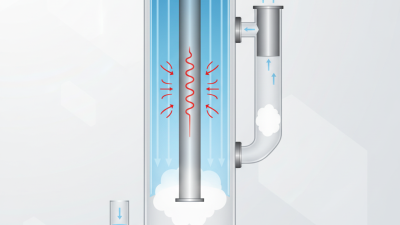
Understanding the basics of rotating film evaporators is vital for users. They usually consist of a heating element, a rotating cylinder, and a condenser. The rotor helps create a film of liquid on the cylinder's surface, increasing the contact area with heat. This enhances the heat transfer process. Data from recent studies suggest that these systems can operate at temperatures ranging from 30°C to 150°C while maintaining product integrity.
While the advantages are compelling, there are challenges to consider. The initial investment can be significant. Additionally, maintenance requires specialized knowledge. Some users may find learning curves steep. Regular calibration is essential for optimal performance. Despite these challenges, the efficacy and reliability of rotating film evaporators make them a sound investment for businesses focused on efficiency and quality.
Comparison of Evaporation Efficiency: Rotating Film Evaporators vs. Traditional Evaporators
In this chart, we compare the evaporation efficiency of Rotating Film Evaporators to Traditional Evaporators. The data indicates that Rotating Film Evaporators can achieve up to 85% efficiency, significantly higher than the 60% efficiency found in traditional models, showcasing their advanced performance and effectiveness in various applications.
Key Advantages of Using a Rotating Film Evaporator
A rotating film evaporator is an essential tool for many industries, notably in the pharmaceutical and food sectors. Its design facilitates efficient solvent removal. According to industry data, this process can achieve over 90% recovery rates of solvents. Such efficiency is critical for reducing operational costs and adhering to environmental standards.
One key advantage is the ability to handle heat-sensitive materials with minimal damage. The thin film formed during evaporation ensures that substances are exposed to low temperatures for shorter durations. This reduces the risk of degradation. Furthermore, the continuous operation of a rotating film evaporator leads to higher productivity. Reports indicate that these systems can process up to 1,500 liters per hour, making them suitable for large-scale applications.
However, there are challenges. The initial investment for these systems can be significant. Maintenance requires specialized knowledge, which may not be readily available. Despite these considerations, the long-term benefits often outweigh the initial hurdles. Therefore, businesses must assess their unique needs before choosing this technology.
Industries That Benefit from Rotating Film Evaporators
Industries focusing on chemical processing, pharmaceuticals, and food technology greatly benefit from rotating film evaporators. These devices enhance evaporation efficiency and reduce energy consumption. For industrial-scale applications, having a continuous process is crucial. The design of rotating film evaporators allows for quick evaporation of solvents. This speed is vital for maintaining product integrity.
In the pharmaceutical industry, purity is paramount. Rotating film evaporators provide high-quality separations, ensuring that active ingredients are preserved. They are beneficial for extracting essential oils and flavor compounds in food technology. This helps maintain the natural quality of products while optimizing resource use. However, attention must be given to how these machines are maintained. Regular checks and calibrations are necessary to ensure optimal performance.
Consider the importance of temperature control. Fluctuations can impact the quality of the final product. Keeping the equipment calibrated can be challenging, but it's necessary for consistent results. Regular employee training on equipment use and maintenance can help mitigate these issues. When selecting a rotating film evaporator, involve team members in the decision process for better outcomes.
Factors to Consider When Choosing a Rotating Film Evaporator
When selecting a rotating film evaporator, several factors must be considered to ensure optimal performance. The unit's operational efficiency is paramount. According to industry reports, rotating film evaporators can achieve evaporation rates exceeding 95%. This high efficiency allows for the effective concentration of heat-sensitive materials without degrading their quality. Process engineers often prioritize units that operate at low temperatures to preserve product integrity.
Another critical factor is the design and materials used in construction. Equipment made from glass or stainless steel offers transparency and corrosion resistance. Reports indicate that corrosion can significantly reduce the lifespan of evaporators. Therefore, investment in durable materials is essential for long-term reliability. Regular maintenance and inspections also contribute to the equipment's performance, highlighting the importance of quality standards in manufacturing.
Additionally, the scalability of a rotating film evaporator is crucial. Research shows that these systems can be easily scaled up for larger production needs. However, potential users must reflect on their specific processing requirements. The complexity of product formulations and variations in viscosity can impact the choice of evaporator. Ultimately, understanding these factors helps in making an informed decision tailored to specific applications.
Why Choose a Rotating Film Evaporator for Your Needs? - Factors to Consider When Choosing a Rotating Film Evaporator
| Factor |
Description |
Importance Level |
| Efficiency |
Ability to reduce boiling time and improve evaporation rates. |
High |
| Material Compatibility |
Compatibility with the solvents and materials being processed. |
Medium |
| Ease of Operation |
User-friendly controls and general maintenance. |
High |
| Size and Capacity |
Suitability for the specific volume of material to be evaporated. |
High |
| Energy Consumption |
Overall energy efficiency and operating costs. |
Medium |
| Durability |
Longevity and resistance to wear over time. |
High |
| Safety Features |
Incorporation of safety mechanisms to prevent accidents. |
Critical |
Maintenance and Operation Tips for Optimal Performance
Proper maintenance and operation of a rotating film evaporator is essential for achieving optimal performance. Regular cleaning is crucial. Residues can build up on the surfaces, affecting efficiency. Inspect seals and fittings frequently. Replace worn parts promptly to avoid leaks and ensure safety. These steps, while simple, can significantly impact the longevity of your equipment.
Monitoring temperature and pressure is also vital. Too high or too low can lead to inefficient evaporation. Keep an eye on these parameters during operation. Adjustments might be necessary to maintain performance. Users often overlook this, resulting in inconsistent results. Documenting these readings can help spot trends and prevent issues before they escalate.
Training staff on best practices is important. They should understand the significance of each operational parameter. Engaging the team in regular reviews can foster a culture of care. Mistakes can lead to costly repairs or suboptimal processes. Encouraging open communication about challenges can lead to innovative solutions, ultimately enhancing overall efficiency.