How to Choose the Best Punch And Die Set for Your Projects?
Choosing the right Punch And Die Set for your projects can be daunting. Various factors come into play, and making an informed decision is crucial for successful outcomes. A quality punch and die set can significantly enhance your efficiency and precision in metalworking tasks.
Consider the specific materials you will be working with. Not all sets are suited for every type of metal. Some may struggle with harder materials. Evaluate the gauge and thickness of the metals, as this directly impacts your choice. The design of the punches and dies also matters. Some are versatile, while others are specialized.
Reflect on your experience level. Beginners might opt for simpler sets. More advanced users may require intricate options. This decision can be tough. Mistakes can lead to wasted time and materials. Each project can illuminate the strengths and weaknesses of different sets. With careful consideration, you can find a punch and die set that meets your unique needs.
Understanding the Different Types of Punch and Die Sets Available
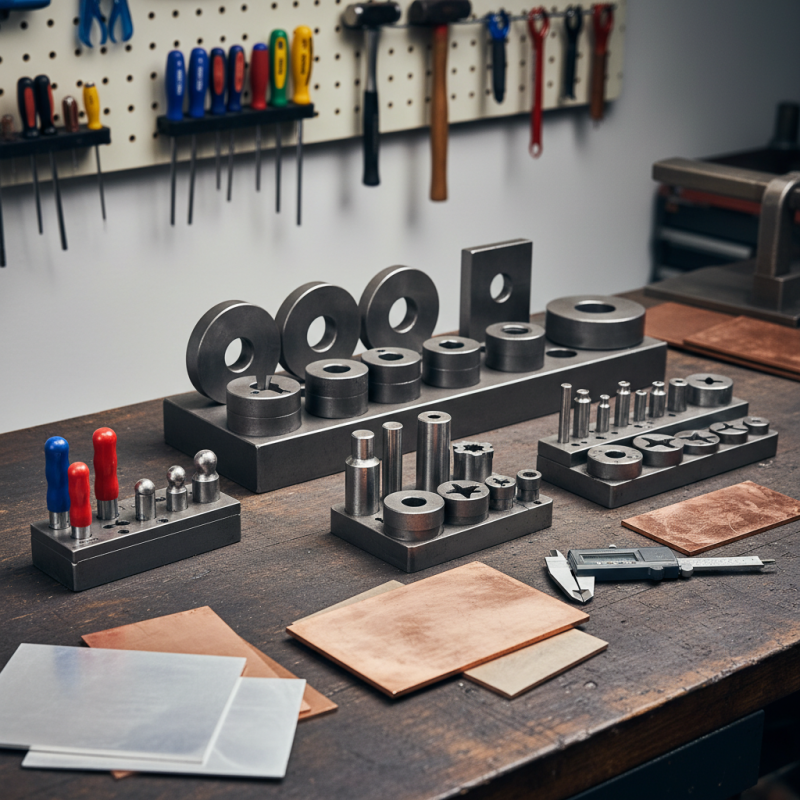
When selecting a punch and die set, understanding the available types is crucial. Generally, sets fall into two main categories: manual and hydraulic. Manual sets are often simpler, providing a hands-on experience. They are ideal for small projects or hobbyists. In contrast, hydraulic sets can handle larger materials with ease. They operate at higher pressures, increasing efficiency and reducing manual effort.
According to a report by the Industrial Manufacturing Association, the global market for punch and die sets is projected to grow at a rate of 5.2% annually. This surge indicates a rising demand for precision tools in various industries, including automotive and aerospace. A survey showed that 68% of manufacturers consider durability and precision vital factors in their purchasing decisions. It suggests that investing in high-quality materials pays off in the long run.
While the variety in types is beneficial, it may also lead to confusion. For instance, understanding the difference between single and multi-station sets is important for larger production runs. A multi-station set can streamline processes but comes with a steeper learning curve. Choosing the wrong type can lead to inefficiencies. Evaluating your specific project requirements is essential. Ask yourself the right questions before choosing.
Identifying the Materials and Construction Quality for Durability
When selecting a punch and die set, material quality is key. High-carbon steel is common. However, not all steel is the same. Some reports show that sets made with S2 tool steel have better wear resistance and endurance. They often provide a longer lifespan, even under heavy use. Durability is non-negotiable for both professionals and hobbyists.
Another critical factor is the construction quality. Precision machining ensures that the punch and die fit perfectly together. A misfit can lead to tool failure or inconsistencies in work. Studies suggest that a 0.001-inch variation in fit can reduce the lifespan by up to 30%. Users need to assess manufacturing processes. A well-constructed set often includes heat treatment to enhance toughness.
Lastly, consider the compatibility with your projects. Different materials are suited for different applications. For instance, softer materials require less hardness in punches and dies. This knowledge allows users to avoid frustration during critical work phases. Always examine the specifications and details provided. A thorough understanding of materials will guide your choice, increasing efficiency in your projects.
Evaluating the Size and Compatibility for Your Specific Projects
Choosing the right punch and die set can significantly impact your projects. Start by evaluating the size of the materials you will work with. Different applications require different sizes of punches and dies. A mismatch can lead to wasted resources and frustration. Measure the thickness and type of materials before making a decision. A comprehensive understanding of your needs is essential.
Compatibility is another critical factor. The punch and die set must fit well with your equipment. If the set is too large or too small, it won't work effectively. Consider how often you'll use the tools. For specialized tasks, investing in a specific size may be worthwhile. On the other hand, a more versatile set could serve multiple projects but require careful handling.
Reflecting on past experiences can guide your choice. Have you faced challenges due to insufficient compatibility? Reassessing past projects may highlight important lessons. It's common to overlook the details in favor of convenience. Take time to analyze your requirements critically. Ensure that the tools you select align with your unique project needs.
How to Choose the Best Punch And Die Set for Your Projects?
| Punch Diameter (mm) | Die Thickness (mm) | Material Type | Compatibility | Typical Applications |
| 5 | 10 | High-Speed Steel | Compatibility with Hand Press | Sheet Metal, Cardboard |
| 10 | 12 | Tool Steel | CNC Compatible | Plastic, Aluminum |
| 15 | 8 | Carbide | Hydraulic Press | Rubber, Composites |
| 20 | 15 | Stainless Steel | Manual and Powered Machines | Heavy Gauge Materials |
| 25 | 20 | Alloy Steel | Customized Design | Industrial Manufacturing |
Considering the Cost-Effectiveness and Value of the Set
When considering the cost-effectiveness of a punch and die set, focus on the long-term value it provides. Evaluate the materials used in the set. Durable materials often mean higher initial costs but can save money in the long run. Investing in high-quality steel can ensure that the tools last longer and require less frequent replacement.
Examine the versatility of the set. A single set that can handle multiple projects is often more economical than buying several specialized sets. Think about your projects. Will a basic set meet your needs, or do you require something more robust? If your projects vary, a more comprehensive set may justify the extra cost.
Pay attention to user reviews and expert opinions. Feedback can reveal hidden issues or advantages. Sometimes, even well-rated sets have flaws. Look for information highlighting any recurring problems. This can help you avoid poor investments. Balancing cost with quality and functionality can lead you to the best choice for your projects.
Researching Manufacturer Reputation and Customer Reviews for Trustworthiness
When researching punch and die sets, consider the manufacturer’s reputation. A company known for quality often produces better tools. Search for reviews across different platforms. Genuine customer feedback reveals important insights. Look for common themes in experiences—whether positive or negative.
Tips: Check for recent reviews. Some older products may not reflect the current quality standards. Examine both expert opinions and user experiences. This balanced view can aid in your decision-making.
Trustworthiness is crucial. Look for certifications or industry awards related to the manufacturer. Such credentials can indicate reliability. However, not every reputable name guarantees the best product for your needs.
Tips: Be wary of overly positive reviews. Sometimes, companies solicit reviews that lack authenticity. It's helpful to compare multiple sources. Every opinion adds a layer to your understanding. Keep an open mind about potential flaws in products. Recognizing limitations can guide you to make the best choice.