How to Choose the Right 304 Stainless Steel Pipe for Your Needs?
Selecting the right 304 Stainless Steel Pipe is crucial for various applications. With its excellent corrosion resistance and high tensile strength, 304 stainless steel has become a popular choice in industries ranging from construction to food processing. According to a report by Grand View Research, the stainless steel pipe market is projected to reach USD 15 billion by 2025. This growth reflects the increasing demand for reliable and durable materials.
When choosing a 304 stainless steel pipe, various factors must be considered. The size, wall thickness, and intended use all play a vital role. For instance, pipes used in high-pressure environments require additional specifications to ensure safety and effectiveness. Furthermore, it’s essential to ensure that the selected pipe meets industry standards, such as ASTM and ASME. However, many buyers overlook these details, resulting in potential failures or costly repairs.
Relying solely on price is another common mistake. While a lower cost may seem appealing, it may compromise quality and longevity. Investing in a reputable supplier can provide access to high-quality materials backed by industry expertise. Ultimately, balancing quality with cost is key to making the right choice in 304 stainless steel pipes.
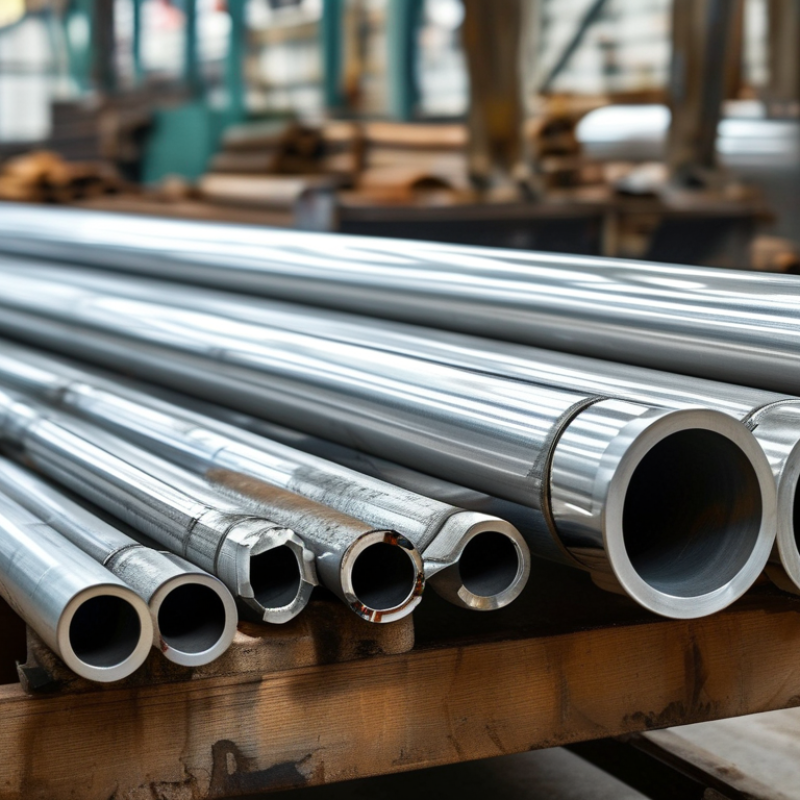
Understanding 304 Stainless Steel: Composition and Properties
304 stainless steel is a widely used alloy known for its excellent corrosion resistance and durability. This grade contains 18% chromium and 8% nickel. The unique combination provides a good balance of strength and malleability. Because of this, it’s a popular choice for various applications, including pipes.
While 304 stainless steel is generally reliable, it does have some limitations. For instance, it is susceptible to pitting in chloride environments. This means it may not be the best choice for marine applications. Understanding these properties can help you choose the right material. Evaluating the environment where the stainless steel pipe will be used is crucial.
You should also consider the thickness and dimensions of the pipe. Thicker pipes tend to withstand higher pressures better. However, they are also heavier and more expensive. Finding the right balance between weight, cost, and application can be challenging. It's important to reflect on the specific needs of your project. Proper research and consultation with experienced professionals can guide your decision.
Key Applications of 304 Stainless Steel Pipes in Various Industries
304 stainless steel pipes are widely used across various industries due to their excellent corrosion resistance and strength. In the food and beverage sector, these pipes are ideal for transporting liquids. They ensure hygiene and prevent contamination, which is critical in this field. Their resistance to rust makes them suitable for environments where moisture is prevalent.
In the chemical industry, 304 stainless steel pipes face harsh conditions. They are often exposed to aggressive substances. Their ability to withstand such environments makes them a preferred choice. These pipes are lightweight yet strong, allowing for easier handling and installation. However, improper handling can lead to scratches or dents that may compromise their integrity.
Another key application is in construction. 304 stainless steel pipes are used in structural frameworks. They provide durability and can withstand heavy loads. However, the aesthetic factor is sometimes overlooked. A polished finish could enhance their visual appeal, especially in visible structures. Ultimately, understanding these applications allows for better choices in pipe specifications. It’s essential to reflect on the requirements specific to each industry.
Factors to Consider When Selecting the Right Size and Thickness
Choosing the right size and thickness of a 304 stainless steel pipe can be challenging. It's essential to understand the specific requirements of your project. This involves considering factors like pressure, temperature, and the type of fluid being transported. Each of these factors can influence the necessary dimensions of the pipe.
When selecting pipe thickness, a common mistake is underestimating the pressure load. Thinner pipes might reduce upfront costs but can lead to failures under high pressure. Remember, deeper analysis often reveals that thicker materials may offer better long-term value. The diameter is equally important. It should accommodate the flow rate without causing turbulence. A pipe that's too small can restrict flow, while one that's too large may lead to inefficiencies.
It's also vital to consider environmental factors. Exposure to harsh conditions can affect the pipe's durability. Regular assessment of the operating environment is critical. One must be prepared to reevaluate choices based on these dynamics. Learning from past experiences helps refine future decisions, making this process an evolving practice rather than a one-time fix.
Stainless Steel Pipe Size and Thickness Selection
Comparing 304 Stainless Steel Pipes to Other Grades and Materials
When choosing a 304 stainless steel pipe, understanding its advantages over other grades is crucial. 304 stainless steel is known for its excellent corrosion resistance. According to the "Stainless Steel Institute", it shows superior resistance to oxidation. This makes it ideal for piping in chemical and food processing industries. However, it may not be suitable for extreme heat applications, where other alloys may perform better.
In comparison to materials like carbon steel, 304 stainless steel pipes are more durable. They do not require additional protective coatings, which can save costs in the long run. The "American Society for Metals" highlights that 304 stainless pipes maintain their strength and integrity over time. But, they can be more expensive upfront than carbon steel, which raises questions about initial investment versus longevity.
Other stainless steel grades, such as 316, offer even better corrosion resistance. They are especially effective in saline environments. However, 316 pipes are generally pricier. Thus, the choice between 304 and 316 often lies in specific project requirements. Balancing cost efficiency with performance is essential for making the best choice. These factors make the decision-making process complex, requiring careful consideration of application needs.
Maintenance Tips for Longevity of 304 Stainless Steel Pipes
When it comes to maintaining 304 stainless steel pipes, proper care is essential for longevity. These pipes are durable but still require periodic attention. Regular cleaning is crucial. Use warm water and mild soap to remove dirt and stains. Avoid abrasive cleaners, as they can scratch the surface.
Another important aspect is to monitor the environment where the pipes are installed. If exposed to harsh chemicals or saltwater, they can corrode over time. Consider using protective coatings to enhance resistance. It’s worth noting that even small pitting can develop if maintenance is neglected.
Inspect pipes regularly for any signs of wear or damage. Pay close attention to joints and connections, as these areas may be more prone to leaks. Promptly address any repairs needed. Ignoring small issues may lead to more significant problems down the line. Implement these tips, and your 304 stainless steel pipes can serve you well for many years.