Essential Tips for Choosing PET Release Film?
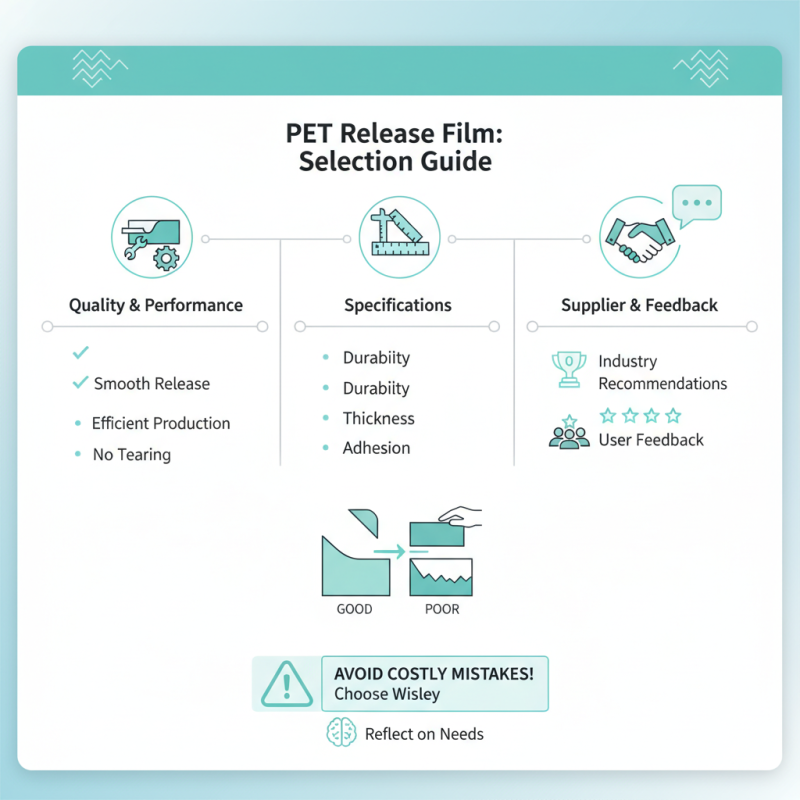
When selecting the right PET Release Film, various factors come into play. The quality of the film is vital for efficient performance. A top-tier PET Release Film can significantly impact production processes, ensuring smooth releases without tearing.
Consider the specifications carefully. Look for durability, thickness, and adhesion characteristics. Not all release films are created equal; some may underperform or create issues in your workflow. Make sure to compare different brands and their reliability.
Evaluating supplier expertise can also guide your choice. Industry recommendations and user feedback provide insights into the best options. Always seek films that have proven their effectiveness. Remember, choosing the wrong PET Release Film can result in costly mistakes. Take the time to reflect on your specific needs.
Understanding the Role of PET Release Film in Manufacturing Processes
Choosing the right PET release film is crucial in various manufacturing processes. PET films are widely used for their excellent release properties and versatility. They offer smooth surfaces, which aid in easy removal of bonded materials. Understanding this role can enhance production efficiency.
In manufacturing, the release film acts as a barrier between surfaces. It prevents sticking, allowing for precise application of adhesives or coatings. The film’s characteristics, such as thickness and surface texture, can significantly influence performance. For instance, a smoother surface may improve release but reduce durability. It’s essential to consider how each attribute aligns with your specific needs.
However, the selection process can be tricky. Evaluating cost versus quality is not always straightforward. Some films may appear cost-effective but lack the necessary performance attributes. This can lead to production delays and increased waste. Take time to assess options and test samples whenever possible. This hands-on approach can lead to better decisions in the long run.
Key Properties of PET Release Film: Adhesion, Durability, and Temperature Resistance
When selecting PET release film, understanding its key properties is crucial. Adhesion is one of the most important aspects. Good adhesion ensures the film can stick properly to various substrates during production processes. Studies have shown that films with a controlled surface energy can enhance the adhesion levels significantly. Aim for a film that maintains optimal adhesion under different conditions, such as humidity and temperature fluctuations.
Durability also plays a vital role. PET release films must withstand various mechanical forces without tearing or delaminating. A report by the Plastics Industry Association states that high-quality PET films can offer tensile strengths exceeding 150 MPa. This durability reduces waste and enhances efficiency in applications like packaging and manufacturing.
Temperature resistance is another essential property. A reliable PET release film should perform well across a range of temperatures, particularly in hot surface applications. Many industries experience fluctuations in temperature, where films that can withstand extremes without losing functionality are advantageous.
When choosing a PET release film, consider these tips: test different films under real conditions before bulk purchasing. Analyze the specific requirements of your application. Finally, consult industry reports to find films that regularly outperform their counterparts.
Industry Standards and Certifications for Quality PET Release Film Selection
When selecting PET release film, understanding industry standards is vital for quality assurance. Various certifications indicate a product's reliability and performance. Look for films that comply with international standards, such as ISO and ASTM. These certifications often require rigorous testing for physical and chemical properties. This ensures the film's durability and effectiveness in various applications, from electronics to packaging.
Quality control is essential in the production process. A reputable manufacturer will implement stringent testing protocols. They often conduct tests for surface energy, adhesion properties, and clarity. Check if the manufacturer provides test data upon request. This transparency reflects their commitment to quality and reliability. Don't hesitate to ask about their production practices. A lack of detail could raise red flags.
Consider the specific requirements of your application. Different uses may demand unique properties, like temperature resistance or chemical stability. Take time to evaluate your needs. Sometimes, generic films might not perform well in specialized applications. It's important to weigh your options and, if necessary, conduct small scale tests before making larger commitments.
Evaluating Film Thickness and Surface Finish for Optimal Performance
When selecting PET release film, the thickness of the film is a critical factor. Thicker films often provide enhanced durability and better release properties. However, they may also lead to greater costs and bulk. A balance must be achieved between film thickness and cost-effectiveness. Testing different thicknesses can reveal which option best suits your specific application.
Surface finish plays an equally vital role in performance. A smooth surface can facilitate easier removal from substrates, reducing the risk of damage. Meanwhile, a textured finish can enhance grip in certain applications. Understanding the desired outcomes of your project will guide you in making the right choice.
It’s important to evaluate not just the physical properties but also the environmental impact. Some films may perform well but have drawbacks in biodegradability. Industry trends are shifting toward sustainable materials, making this an important consideration. Continuous testing and feedback are essential for refining your selection process and addressing performance gaps.
Essential Tips for Choosing PET Release Film
| Film Thickness (microns) | Surface Finish Type | Release Force (grams/inch) | Temperature Resistance (°C) | Applications |
| 50 | Matte | 75 | 120 | Labeling, Electronic Products |
| 75 | Glossy | 90 | 140 | Packaging, Printing |
| 100 | Special Coated | 65 | 160 | Industrial, Automotive |
| 125 | Embossed | 85 | 180 | Medical, Pharmaceutical |
Cost-Effectiveness and Supplier Reliability in PET Release Film Procurement
Choosing the right PET release film involves careful consideration of cost-effectiveness and supplier reliability. While finding a budget-friendly option is crucial, it should not compromise quality. It’s essential to evaluate the longevity and performance of the film. A lower price might indicate cheaper materials that could lead to increased failures or defects.
Supplier reliability is equally important. A trustworthy supplier understands the complexities of PET release films. They provide consistent quality, which is vital for your production process. Look for suppliers who have positive reviews and a proven track record. They should offer transparency in their sourcing and manufacturing processes.
Do not overlook the importance of clear communication with suppliers. Engage in discussions about their product specifications and application methods. Sometimes, suppliers might not fully disclose all potential issues. Seek out samples to test before making a large commitment. Making informed choices can prevent future headaches and costs. Investing time in your supplier relationships pays off in the long run.
Cost-Effectiveness and Supplier Reliability in PET Release Film Procurement