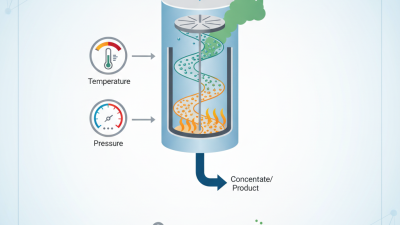
Why Choose a Horizontal Thin Film Evaporator for Efficient Processing?
Choosing the right evaporation method is crucial in many industries. A horizontal thin film evaporator stands out amongst various options. This technology offers efficient processing for several applications. Its design allows for uniform heating and optimal thin film formation.
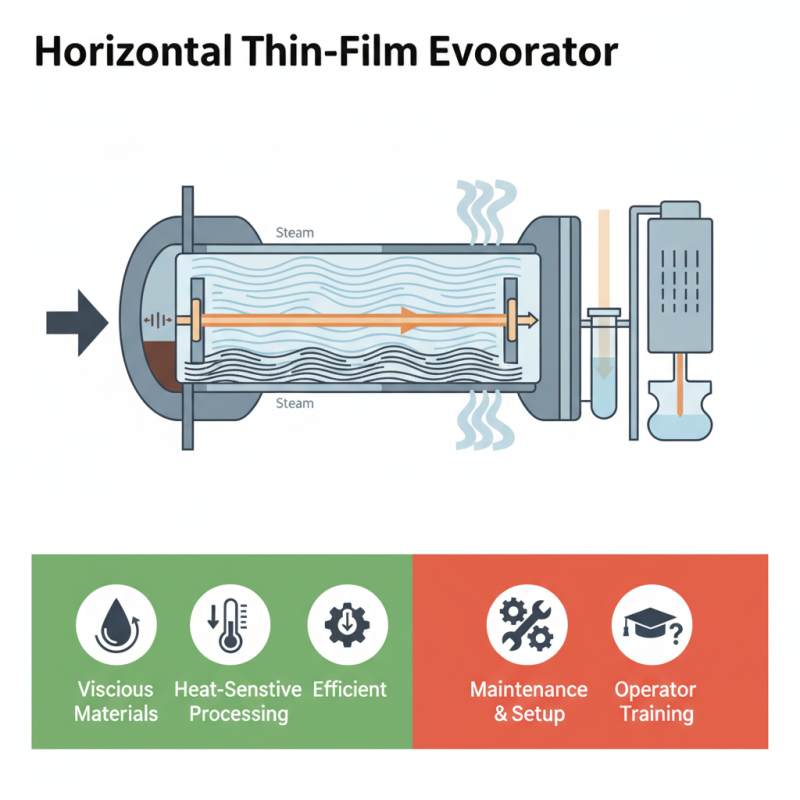
One significant advantage is the ability to handle viscous and heat-sensitive materials. This is particularly important in the chemical and food sectors. Users often struggle with maintaining product quality during evaporation. The horizontal thin film evaporator addresses this challenge effectively.
Efficiency is not the only consideration. There can be issues related to maintenance and setup. Operators need proper training to maximize the system's potential. It's vital to assess both benefits and drawbacks carefully. This technology promises notable performance, but understanding its limitations is just as important.
Benefits of Horizontal Thin Film Evaporators in Industrial Applications
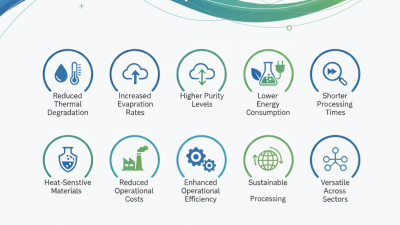
Horizontal thin film evaporators are increasingly favored in various industrial applications due to their unique efficiency. These devices excel at processing heat-sensitive materials. They use a thin film of liquid that spreads across a heated surface. This design promotes faster evaporation, minimizing thermal degradation.
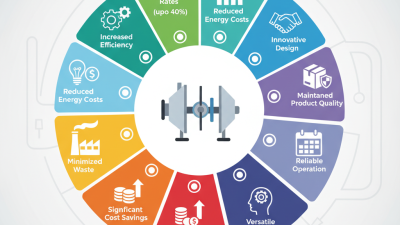
The benefits of using horizontal thin film evaporators are significant. Their compact size allows for easy integration into existing systems. This feature is vital in constrained industrial spaces. These evaporators also require less energy than traditional methods. Lower energy consumption translates into reduced operating costs.
Moreover, the continuous processing capability of horizontal thin film evaporators enhances productivity. They maintain consistent product quality, which is critical in many industries. However, some challenges persist. Maintenance can be labor-intensive and complex. Operators must be well-trained to ensure optimal performance. Regular monitoring is essential to address any operational issues quickly.
Comparison of Horizontal Thin Film Evaporators and Traditional Evaporation Methods
Horizontal thin film evaporators offer distinct advantages over traditional evaporation methods. Their design facilitates uniform film formation on heated surfaces. This maximizes heat transfer efficiency. In contrast, traditional methods may rely on batch processing. This often leads to uneven heating and longer processing times.
When comparing the two, it's clear that the horizontal thin film evaporator is more efficient. Its ability to handle viscous fluids is significant. Traditional evaporators struggle in such cases, leading to potential blockages. However, operational costs can be higher for thin film systems, which may require careful consideration. Balancing efficiency with costs is crucial.
Integration in existing systems can pose challenges. While thin film evaporators streamline processing, they may need additional adjustments to fit seamlessly. Some users report initial setup difficulties. It's essential to conduct thorough research before transitioning from traditional methods. Each approach has unique benefits and drawbacks, demanding thoughtful evaluation.
Comparison of Efficiency: Horizontal Thin Film Evaporators vs Traditional Evaporation Methods
This bar chart compares the processing efficiency of Horizontal Thin Film Evaporators with traditional evaporation methods. The Horizontal Thin Film Evaporator demonstrates a significantly higher efficiency of 85%, compared to 60% for traditional methods, highlighting its advantages for efficient processing.
Key Features of Horizontal Thin Film Evaporators for Enhanced Efficiency
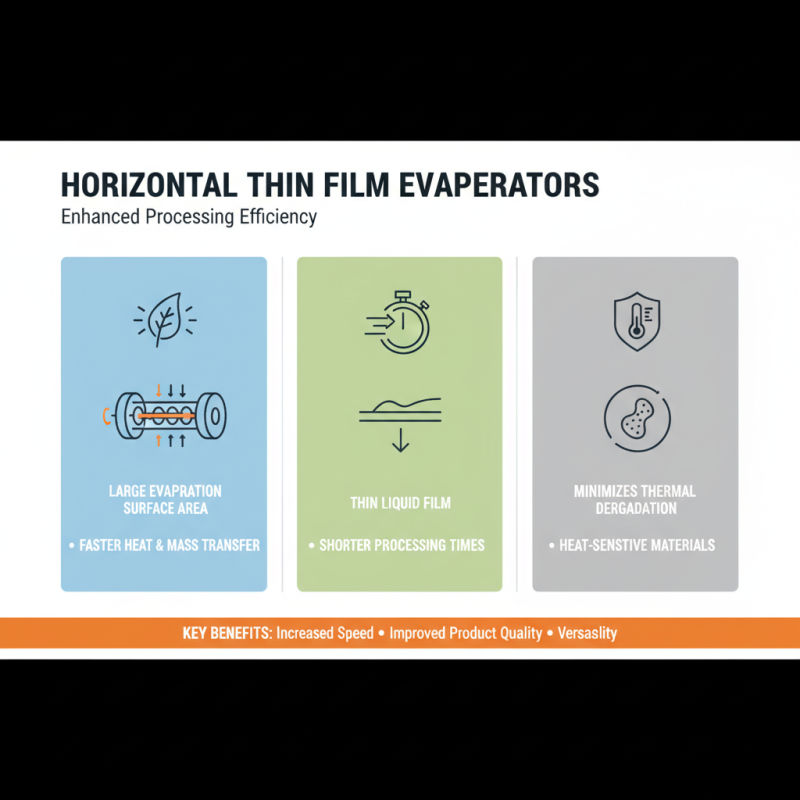
Horizontal thin film evaporators are designed to enhance processing efficiency in various applications. One of their key features is the large evaporation surface area. This allows for faster heat transfer and improved mass transfer. The thin film created during evaporation reduces liquid film thickness, leading to shorter processing times. This design minimizes thermal degradation of heat-sensitive materials.
Another important feature is their ability to operate under vacuum conditions. This capability significantly lowers boiling points. Thus, sensitive compounds can be processed without losing quality. Some may argue that this technology is complex, which it can be. However, the benefits often outweigh the initial learning curve. Additionally, maintenance can be challenging, emphasizing the need for regular checks.
Efficiency is further improved through precise temperature control. Maintaining optimal temperatures is crucial for achieving desired results. Suboptimal conditions can lead to inconsistent product quality. Investing in horizontal thin film evaporators allows for better control and improved product outcomes. However, operators must always remain vigilant about the system’s performance to maximize its potential.
Applications of Horizontal Thin Film Evaporators in Various Industries
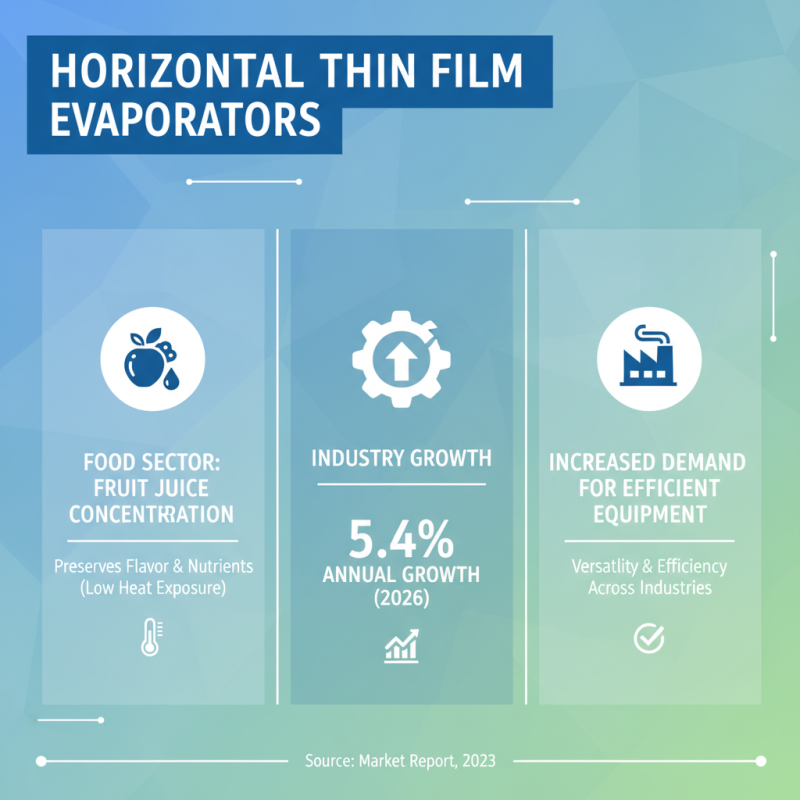
Horizontal thin film evaporators are gaining popularity in multiple industries due to their versatility and efficiency. In the food sector, these systems are ideal for concentrating fruit juices. For instance, they minimize the heat exposure, preserving flavor and nutrients. According to a recent market report, the food processing industry is projected to grow by 5.4% annually through 2026. This growth indicates a rising demand for efficient equipment, such as horizontal thin film evaporators.
Pharmaceuticals benefit greatly from these evaporators as well. They are used to concentrate active ingredients without compromising their integrity. This is crucial when working with sensitive compounds. A study by a pharmaceutical analysis group showed that the use of thin film technology could reduce processing time by up to 30%. However, some processes still require refinement to ensure consistent product quality.
Additionally, in the chemical industry, these evaporators enhance the recycling of solvents. This can lead to significant cost savings. Yet, challenges remain. Some companies report difficulty in achieving desired recovery rates. Continuous improvements in technology are needed to address these shortcomings. Implementing better monitoring systems could help overcome these obstacles, ensuring efficient processing across all applications.
Maintenance and Operation Best Practices for Horizontal Thin Film Evaporators
Horizontal thin film evaporators (HTFEs) are critical in various industries, particularly in chemical and pharmaceutical processing. Regular maintenance ensures optimal performance and extends the equipment's lifespan. According to industry reports, proper maintenance can increase efficiency by up to 30%. Simple tasks like regular inspection of seals and gaskets can prevent leaks and maintain vacuum integrity. Neglecting these small areas can lead to significant efficiency drops over time.
Operation best practices also play a vital role. Maintaining the appropriate feed temperature is crucial for consistent product quality. A mismatch here can result in thermal breakdown of sensitive materials. Additionally, monitoring the rotor speed is essential; industry guidelines recommend specific RPMs to achieve optimal thin film formation. Operators should regularly review these parameters to avoid deviations.
Training personnel in troubleshooting techniques is another key aspect. A well-trained workforce can quickly identify potential issues before they escalate. An industry survey indicated that companies with comprehensive training programs report 25% fewer downtime incidents. Relying solely on manufacturers' guidelines may not cover all unique aspects of your operation. Thus, fostering a culture of continuous improvement encourages reflection on procedures and outcomes in HTFE operations.