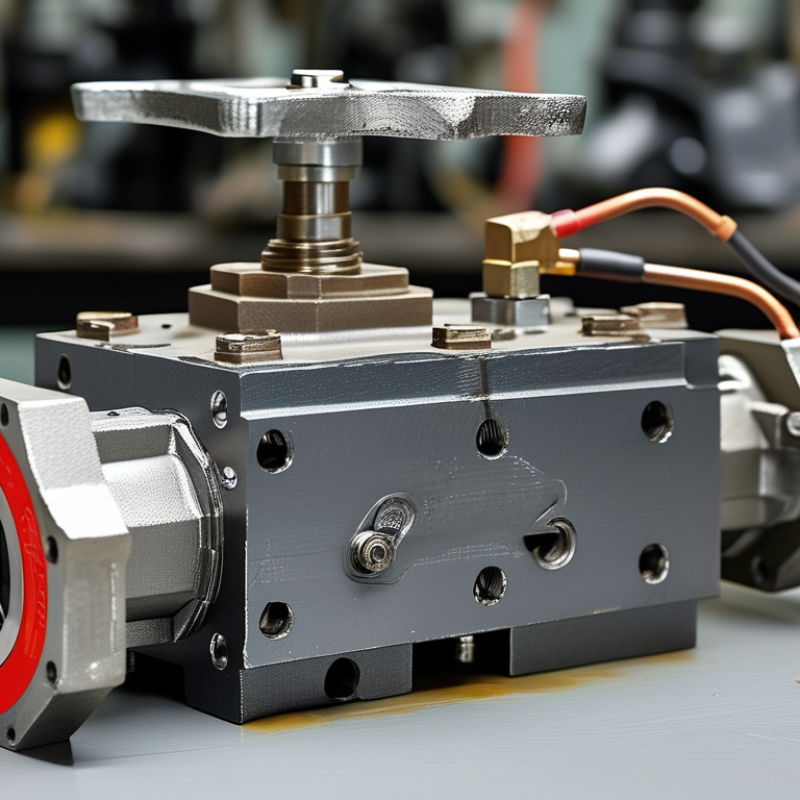
What is Hydraulic Directional Control Valve and How it Works?
The Hydraulic Directional Control Valve is a crucial component in hydraulic systems. It directs fluid flow and controls the movement of hydraulic actuators. Understanding its functionality is essential for anyone working in hydraulic engineering or maintenance.
This valve uses a series of ports and passages. When the operator moves the valve lever, it alters the flow path of hydraulic fluid. The result is precise control over machinery and equipment. Without this valve, hydraulic systems would become inefficient and difficult to operate.
Many underestimate the importance of the Hydraulic Directional Control Valve. Its design may seem simple, but it is vital for system reliability and safety. Recognizing its role can prevent operational failures. Thus, a thorough understanding of this valve is necessary for effective hydraulic system management.
What is a Hydraulic Directional Control Valve?
A hydraulic directional control valve is essential in hydraulic systems. Its primary function is to manage the flow direction of hydraulic fluid. These valves control actuators, such as cylinders or motors, enabling precise movement and force application. According to the Hydraulic Institute, efficient valve operation significantly enhances system performance, impacting energy consumption and operational costs.
Hydraulic directional control valves come in various configurations, including 2-way, 3-way, and 4-way designs. Each design serves specific applications. For instance, a 4-way valve controls double-acting cylinders effectively. The selection of the valve affects system reliability. A poorly chosen valve can lead to system inefficiencies, resulting in unnecessary downtime.
Tip: Regular maintenance of hydraulic valves is crucial. Faulty valves can compromise system performance. Monitor hydraulic fluid quality and check for leaks regularly. Small issues can escalate into expensive repairs.
Furthermore, understanding valve performance parameters, such as pressure ratings and flow rates, is vital. Selecting a valve that can handle the system's maximum pressure ensures safety. Data shows that valves operating within their optimal range reduce the risk of catastrophic failures. Always analyze your system needs before making decisions on hydraulic components.
Key Components of Hydraulic Directional Control Valves
Hydraulic directional control valves are essential in fluid power systems. They control the flow of hydraulic fluid, directing it to various actuators. These valves play a crucial role in the efficiency and operation of hydraulic machines. The key components of these valves include a spool, springs, and ports.
The spool is a cylindrical component that moves within the valve body. Its position dictates the flow path. Springs provide the necessary force to return the spool to its neutral position. Ports are openings through which hydraulic fluid enters and exits the valve. According to a report by the International Fluid Power Society, hydraulic systems can improve efficiency by up to 25% when equipped with high-quality directional control valves.
Understanding the function of these components is vital. Misalignment or wear can lead to fluid leaks or improper function. In fact, a study by the Hydraulic Institute revealed that up to 30% of hydraulic systems experience unplanned downtime due to valve issues. Monitoring the health of these components can significantly reduce potential failures and costs. Regular maintenance ensures optimal performance and reliability.
How Hydraulic Directional Control Valves Operate
Hydraulic directional control valves play a key role in hydraulic systems. They direct fluid flow and control the operation of hydraulic actuators. These valves have ports that can either open or close to manage the flow path of hydraulic fluid. By controlling this flow, the valves determine the direction in which a hydraulic cylinder or motor operates. They are essential in various applications, from industrial machinery to automotive systems.
When fluid enters a valve, an internal spool shifts position based on input signals. This spool connects or disconnects different ports, redirecting the flow. Expert studies estimate that proper use of these valves can increase system efficiency by up to 30%. However, incorrect installations can lead to performance issues, highlighting the importance of proper maintenance and operation.
Tips: Always ensure the valve is compatible with your system's pressure ratings. Regularly check for leaks or signs of wear to maintain optimal function. Monitoring fluid quality can prevent valve malfunctions.
Hydraulic directional control valves can also present challenges. Valves may stick due to contamination or wear. Minimizing these risks requires careful monitoring and periodic inspections. Understanding the operational limits of your hydraulic system can also mitigate potential failures.
Different Types of Hydraulic Directional Control Valves
Hydraulic directional control valves are vital in hydraulic systems. They direct the flow of fluid to various actuators like cylinders and motors. Understanding their different types is essential for effective applications.
There are several types of hydraulic directional control valves. The most common ones are poppet valves, spool valves, and sliding valves. Poppet valves are simple and reliable. They can quickly open or close flow paths. However, they might not handle higher flow rates effectively. Spool valves, on the other hand, are versatile. They can manage multiple flow paths, making them suitable for complex systems. Yet, they can be more expensive.
Sliding valves operate differently and are best for continuous flow applications. Their design promotes smooth operation but can be prone to wear over time. Users need to regularly check for leaks or inefficiencies. Each type has its strengths and weaknesses. Selecting the right valve often requires careful consideration of specific needs. An ill-suited valve can lead to system malfunction, highlighting the need for proper research and expertise.
What is Hydraulic Directional Control Valve and How it Works? - Different Types of Hydraulic Directional Control Valves
| Type of Valve | Working Principle | Application | Advantages |
| Directional Control Valve | Controls the direction of fluid flow in a hydraulic system. | Used in machinery for controlling lifting mechanisms. | Allows precise control of hydraulic actuators. |
| Solenoid Valve | Operated by an electromagnetic coil, which opens or closes the valve. | Common in automotive and industrial applications. | Quick response time and remote operation capability. |
| Pneumatic Valve | Directs airflow and controls actuation in pneumatic systems. | Utilized in air cylinders and compressors. | Low energy consumption and efficient operation. |
| Manual Valve | Operated by a lever or knob to control flow manually. | Ideal for systems requiring human input and control. | Simple design and easy maintenance. |
| Check Valve | Permits fluid to flow in one direction while preventing backflow. | Essential in hydraulic circuits to prevent damage from reverse flow. | Protects equipment and enhances the reliability of systems. |
Applications of Hydraulic Directional Control Valves in Industry
Hydraulic directional control valves play a crucial role in various industries. They manage the flow of hydraulic fluid, directing it to specific cylinders or actuators. This function is essential in machinery like excavators, forklifts, and assembly lines. These valves allow for precise movement and control, ensuring machinery operates efficiently and safely.
In manufacturing, hydraulic directional control valves enhance productivity. They enable quick changes in direction, which helps in assembling products more rapidly. In construction, they allow for smooth operation of heavy equipment. However, improper use can lead to leaks or failures. Regular maintenance is necessary but often overlooked. The need for training operators is also vital to prevent misuse.
Furthermore, these valves contribute to energy efficiency. When deployed correctly, they reduce hydraulic power loss. Yet adaptations to new technologies are sometimes slow. Industries may struggle to implement advanced systems. It’s important to recognize these challenges and address them proactively.