Top 10 Benefits of Horizontal Wiped Film Evaporators for Buyers?
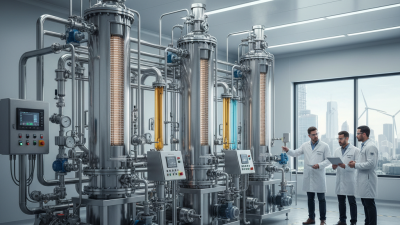
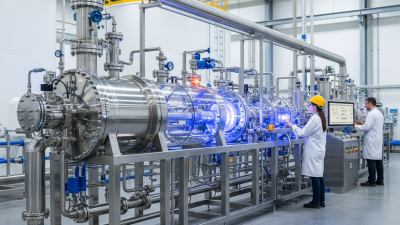
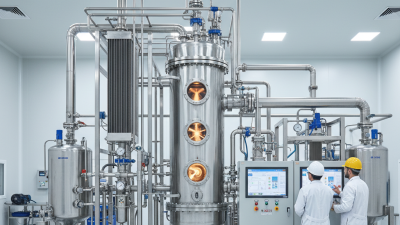
The horizontal wiped film evaporator (HWFE) is a critical technology in various industries, particularly for concentration and separation processes. According to a report by the International Journal of Chemical Engineering, using HWFEs can increase efficiency by up to 30%. This is vital for industries aiming to reduce operational costs while enhancing product quality.
Economies today demand innovative solutions. The HWFE stands out due to its efficient heat transfer and rapid evaporation rates. With a growing focus on sustainability, the evaporator's ability to minimize energy consumption is increasingly attractive. In pharmaceuticals, for instance, the gentle evaporation process helps preserve heat-sensitive compounds.
However, buyers must approach with caution. While HWFEs offer substantial benefits, they require precise operational parameters to avoid inefficiencies. Real-world applications reveal that improper setup can lead to high maintenance costs. Thus, understanding the technology fully before investment is crucial for maximizing the potential benefits of a horizontal wiped film evaporator.
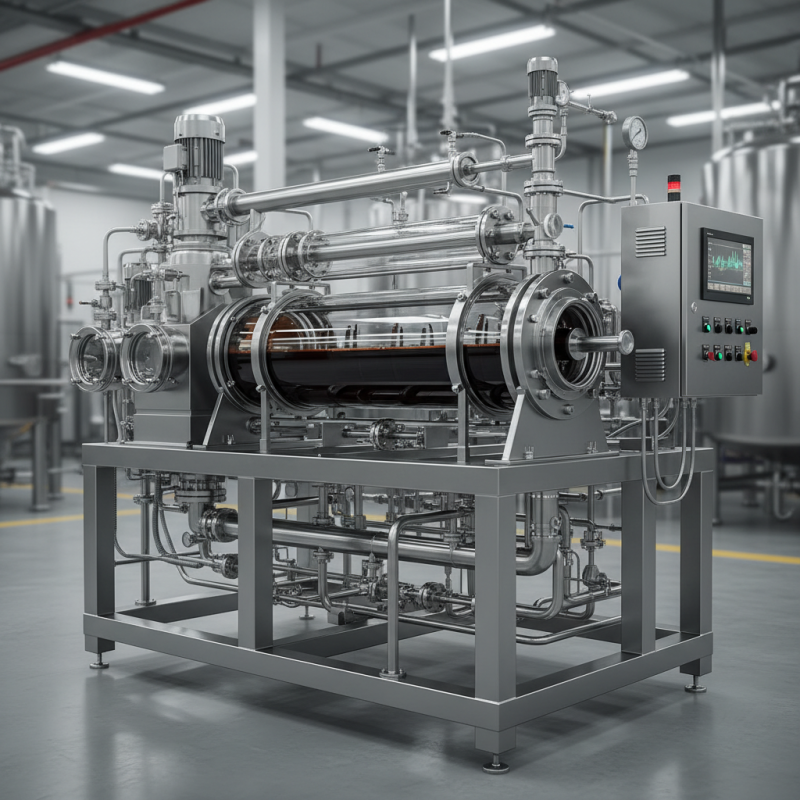
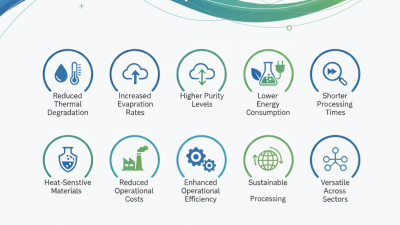
Top 10 Advantages of Horizontal Wiped Film Evaporators for Buyers
Horizontal wiped film evaporators offer numerous advantages that can significantly benefit buyers. One of the key advantages is their efficient heat transfer. These systems utilize a thin film of liquid that maximizes surface area. This design ensures quick evaporation and helps save energy. Efficient operation leads to reduced operational costs over time.
In addition, horizontal wiped film evaporators are known for their ability to handle viscous materials. Their unique wiping mechanism allows effective processing of thicker mixtures. This capability is essential for industries processing oils, syrups, or polymers. The versatility in handling various materials makes them a valuable asset.
Another notable benefit is the reduced risk of fouling. The wiping mechanism continuously cleans the surface, minimizing residue. While it may still require occasional maintenance, the frequency is much lower than traditional systems. This reliability can lead to increased uptime and better productivity. However, buyers must consider the initial investment. Balancing upfront costs with long-term gains is crucial for making an informed decision.
Enhanced Efficiency: The Role of Heat Transfer in Wiped Film Technology
Heat transfer is crucial in wiped film technology. Efficient heat transfer enhances the evaporation process. In horizontal wiped film evaporators, the design maximizes surface area contact. This leads to faster and more efficient separation of volatile components. The result is a higher yield of pure product.
Wiping action improves heat transfer even more. A thin film of liquid coats the heated surface, promoting rapid evaporation. Every increase in heat exchange efficiency can lead to noticeable cost savings. However, challenges remain. Maintaining consistent operating temperatures can be tricky. Operators must monitor conditions closely to prevent fluctuations.
Wiped film evaporators can present difficulties in cleaning and maintenance. Residue buildup might affect performance over time. Regular inspections are necessary. Users should prioritize training for staff on optimal operating practices. With careful attention, the benefits of heat transfer can be fully realized.
Top 10 Benefits of Horizontal Wiped Film Evaporators for Buyers
| Benefit |
Description |
Impact on Process |
| Enhanced Heat Transfer |
Optimized surface area allows for efficient heat exchange. |
Increases evaporation rates and reduces processing time. |
| Reduced Operating Costs |
Lower energy consumption due to efficient heat use. |
Lower energy bills and improved profit margins. |
| Versatile Application |
Suitable for various materials including heat-sensitive products. |
Broader market applicability and customer base. |
| Compact Design |
Smaller footprint compared to traditional evaporators. |
Saves space in production facilities. |
| Improved Product Quality |
Gentle evaporation minimizes thermal degradation. |
Maintains desired taste, aroma, and nutritional value. |
| Automated Operations |
Integration with control systems for precise operation. |
Reduces operator errors and enhances consistency. |
| Easy Maintenance |
Simple design allows for quick access and cleaning. |
Minimizes downtime and maintenance costs. |
| High Efficiency |
Maximizes product recovery and minimizes waste. |
Improves yield and profitability. |
| Rapid Start-Up |
Flexible operation with quick ramp-up times. |
Increases production capacity and response time. |
| Environmental Compliance |
Designed to minimize emissions and adhere to regulations. |
Supports sustainability initiatives and reduces penalties. |
Reduction in Energy Consumption: Key Metrics and Industry Insights
Horizontal wiped film evaporators offer significant advantages, particularly in energy consumption. According to industry reports, energy costs can contribute to up to 40% of operational expenses in thermal separation processes. By utilizing advanced technology, these evaporators optimize thermal efficiency, achieving energy reductions of 20-30%. This is crucial for manufacturers aiming to control costs while maintaining product quality.
Operational metrics indicate that a well-designed horizontal wiped film evaporator can process large volumes with lower energy inputs. The configuration allows for a higher heat transfer rate, minimizing the energy required for evaporation. An estimated 15% reduction in energy consumption can lead to substantial savings over time. However, the initial investment may require careful consideration. Some facilities may struggle with the capital needed for upgrades.
Moreover, there is room for improvement in the design and operation of these systems. Ongoing research is vital to enhance efficiency further. While many users have reported excellent results, the diversity in feedstock can lead to variability in performance. Each application has unique challenges that must be addressed to fully realize energy savings. Adapting to specific operational conditions remains a key area for development in this technology.
Versatile Applications: Industries Benefiting from Horizontal Wiped Films
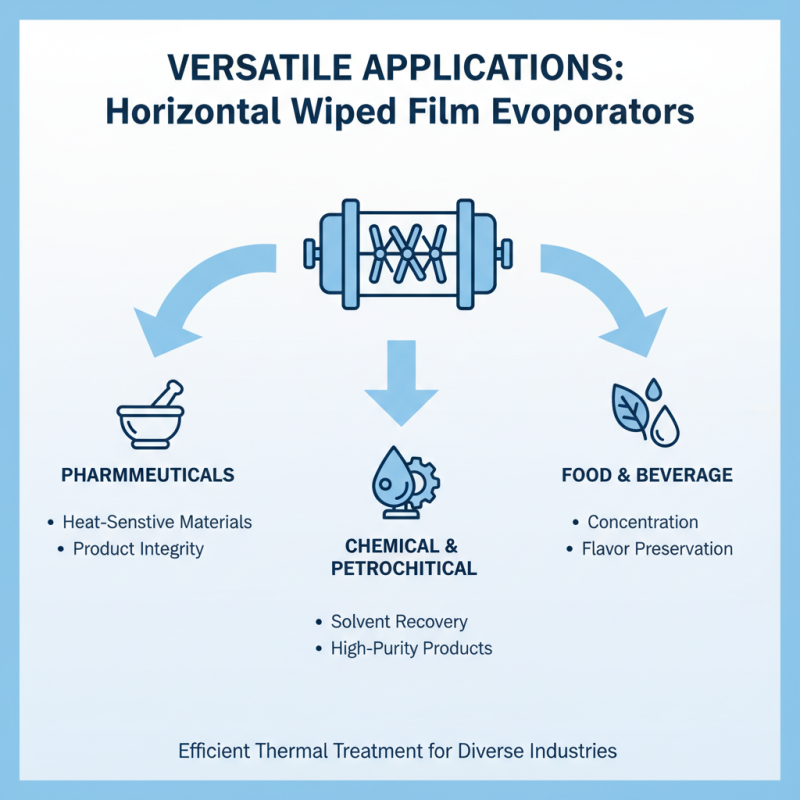
Horizontal wiped film evaporators offer significant advantages across various industries. Their design allows for efficient thermal treatment of heat-sensitive materials. This feature is especially useful in the pharmaceutical industry, where maintaining product integrity is crucial. A wiped film evaporator minimizes residence time, reducing the risk of degradation.
The food and beverage sector also reaps benefits. These evaporators effectively concentrate flavors and extract essential oils without compromising quality. They help produce concentrated juices and natural extracts. Chemical manufacturers find these systems valuable too. The ability to handle viscous fluids makes them suitable for specialty chemicals. However, users must ensure appropriate maintenance to avoid wear over time.
Even with these advantages, operators face challenges. Regular monitoring of evaporation rates is essential for optimal performance. Efficiency can drop if the system isn’t calibrated properly. Additionally, while initial costs can be high, the long-term savings in energy and resources can justify the investment. Continuous staff training on operation and maintenance is vital for maximizing efficiency.
Cost-Effectiveness: Analyzing ROI and Long-Term Savings
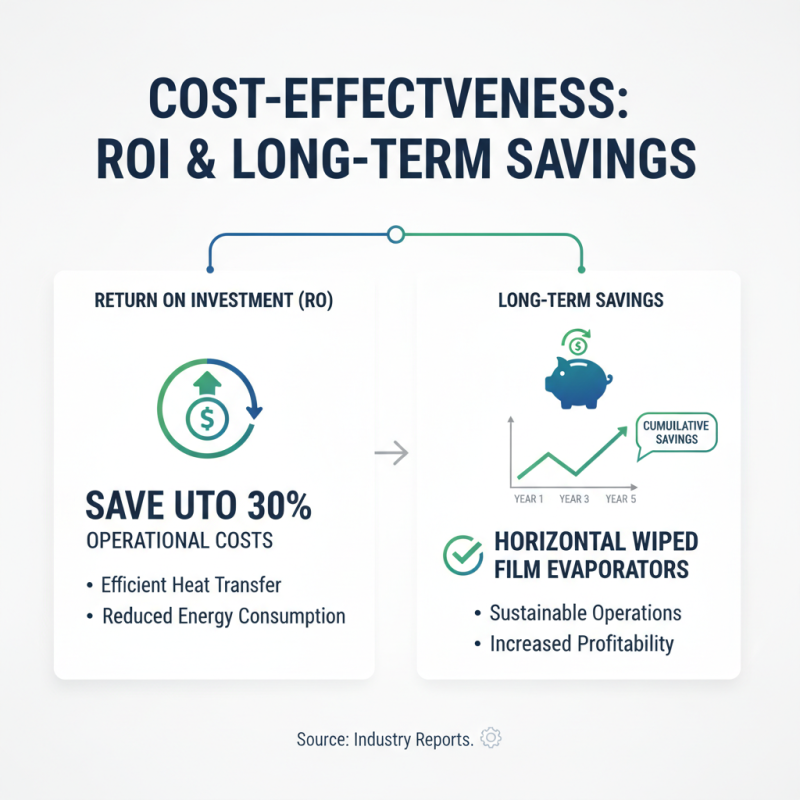
When considering the cost-effectiveness of horizontal wiped film evaporators, it's essential to analyze the return on investment (ROI) and potential long-term savings. Industry reports indicate that these systems can reduce operational costs by up to 30%. This significant reduction stems from their efficient heat transfer capabilities, which minimize energy consumption during evaporation processes.
Additionally, the maintenance costs for horizontal wiped film evaporators are generally lower. Many businesses report a decrease in downtime by 20% when switching to these systems. This is largely due to simpler cleaning procedures and lower wear rates on components. Such factors contribute to extended equipment lifespan, enhancing financial savings over time.
However, it's crucial to reflect on the initial investment. Although horizontal wiped film evaporators can be more expensive upfront, the savings realized can offset these costs within a few years. According to some assessments, companies have seen payback periods ranging from 18 to 36 months. Evaluating these factors allows buyers to make informed decisions, emphasizing not just upfront costs but long-term financial viability.
Conclusion
The article "Top 10 Benefits of Horizontal Wiped Film Evaporators for Buyers" highlights the significant advantages these advanced evaporation systems offer. One of the primary benefits is enhanced efficiency, driven by the innovative heat transfer capabilities inherent in wiped film technology. This innovation not only leads to a noticeable reduction in energy consumption but also provides key metrics that indicate significant cost savings over time.
Moreover, horizontal wiped film evaporators are praised for their versatility, serving a variety of industries and applications, from food processing to pharmaceuticals. This adaptability, combined with improved product quality achieved through gentle processing methods, ensures high standards are maintained. Ultimately, when evaluating the return on investment (ROI), buyers can appreciate the long-term savings and increased efficiency that horizontal wiped film evaporators bring to their operations.