
Employment Application Apply
What Is a Wiped Film Evaporator and How Does It Work?
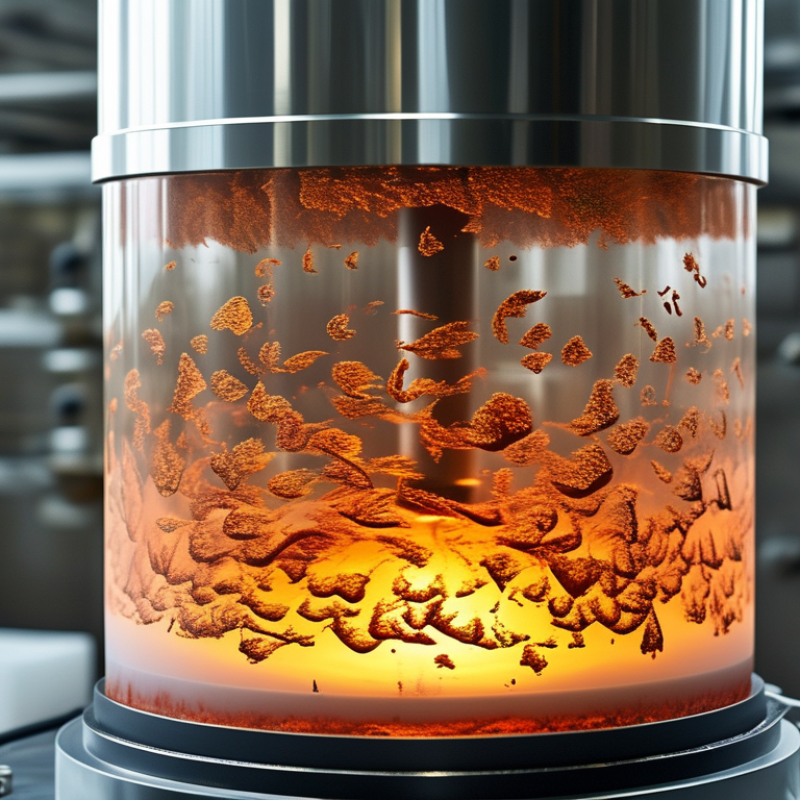
A wiped film evaporator is a specialized heat-transfer device for concentrating, purifying, or gently separating liquid mixtures. It operates inside a heated cylindrical chamber, where rotating blades spread the feed across the wall. The result is a thin, continuously renewed film.
That thin layer matters. It reduces the distance that heat must travel through the liquid. Under vacuum, volatile components can evaporate at lower temperatures. Vapors move toward an outlet, while heavier materials continue downward. The rotor also keeps the surface active, helping reduce stagnant zones and local overheating. In practical operation, feed distribution, wall temperature, rotor speed, and vacuum stability all influence performance.
Small details often decide whether the process works well. A viscous feed may need slower rotor movement, while a fast-evaporating liquid may require tighter vapor control. Fouling can still develop. It is not a magic solution.
A properly selected wiped film evaporator can offer short residence times and better handling of heat-sensitive products. However, its benefits depend on accurate material data, careful mechanical design, and realistic scale-up testing. Laboratory results may not fully predict industrial behavior. Operators should examine feed viscosity, boiling range, solids content, and cleaning requirements before choosing equipment. This article explains the device’s main components, operating sequence, advantages, limitations, and typical applications. It also considers why seemingly minor changes can alter evaporation efficiency, product quality, and maintenance demands.
What Is a Wiped Film Evaporator?
What Is a Wiped Film Evaporator?
A wiped film evaporator is a process vessel that removes volatile components from a liquid. It uses a heated cylindrical wall and rotating wiper blades. The blades spread the incoming feed into a thin, moving film. This design increases heat transfer and gives vapor molecules a short path to escape. Many units operate under vacuum, which lowers the boiling temperature and helps protect heat-sensitive materials.
Inside the vessel, the feed enters near the top and flows downward along the heated surface. Wipers keep the film even, reduce stagnant zones, and limit buildup on the wall. Vapor leaves through a separate outlet, while the concentrated liquid exits from the bottom. The short residence time can reduce thermal exposure.
It sounds simple.
In real operation, it is less forgiving. Feed viscosity, wall temperature, rotor speed, and vacuum pressure must match the material. Poor distribution can create dry patches or uneven evaporation. Excessive heat may still damage sensitive compounds, even under vacuum. Operators should check temperature profiles, pressure stability, blade condition, and product quality during commissioning. A wiped film evaporator is not a universal solution; its performance depends strongly on feed behavior and careful control.
What Is a Wiped Film Evaporator and How Does It Work?
| Data Dimension | Typical Information | How It Relates to Operation |
|---|---|---|
| Equipment Definition | A continuous evaporation unit that spreads liquid into a thin, moving film on a heated vertical surface. | The thin film increases heat-transfer efficiency and reduces the distance that vapor must travel through the liquid. |
| Main Operating Principle | Feed enters the evaporator, rotating wiper blades distribute it over the heated wall, and volatile components vaporize. | The wipers maintain a continuously renewed liquid film while the less-volatile material moves toward the outlet. |
| Typical Construction | Vertical heated shell, rotor, wiper blades, feed distributor, vapor outlet, residue outlet, and heating or cooling jacket. | Each component supports controlled film formation, heat transfer, vapor removal, or discharge of concentrated product. |
| Feed Introduction | Liquid feed is commonly introduced near the top of the evaporator and distributed around the internal heating surface. | Uniform distribution helps prevent dry spots, local overheating, and uneven evaporation. |
| Wiper Function | The rotating wipers continuously spread, mix, and renew the liquid layer on the heated wall. | They reduce fouling risk, improve heat transfer, and allow processing of viscous or heat-sensitive materials. |
| Film Thickness | Often maintained in the millimeter range, depending on viscosity, rotor speed, feed rate, and blade design. | A thin film shortens heat-transfer and vapor-release paths, but excessively thin films can reduce throughput. |
| Operating Pressure | Can operate at atmospheric pressure, under vacuum, or at elevated pressure, depending on the product and boiling point. | Vacuum operation lowers boiling temperature and is useful for reducing thermal exposure of sensitive products. |
| Temperature Control | Heating-medium temperature and operating pressure are adjusted to establish the required evaporation temperature. | Accurate control helps balance evaporation rate, product quality, energy use, and fouling tendency. |
| Residence Time | Generally short compared with many batch evaporation processes; the exact value depends on equipment size and operating conditions. | Short exposure time can help limit thermal degradation, color formation, and loss of volatile product components. |
| Suitable Feed Properties | Viscous liquids, concentrated solutions, slurries with manageable solids content, and heat-sensitive materials. | The mechanical action of the rotor helps process liquids that may be difficult to handle in conventional falling-film equipment. |
| Vapor Flow | Generated vapor is removed through a dedicated vapor outlet, usually arranged to reduce entrainment of liquid droplets. | Efficient vapor disengagement improves separation quality and protects downstream condensers or vacuum equipment. |
| Product Discharge | The concentrated or nonvolatile fraction is discharged continuously from the lower section of the unit. | Continuous discharge supports steady-state processing and allows integration with pumps, condensers, and downstream units. |
| Heat-Transfer Performance | Influenced by wall material, film thickness, viscosity, rotor speed, temperature difference, and feed distribution. | Proper adjustment of these variables helps maintain a stable film and efficient evaporation throughout the heated zone. |
| Fouling Management | Wiper blades continuously sweep the wall, limiting buildup compared with an unwiped heated surface. | Reduced deposits can help maintain heat-transfer performance, although cleaning is still required for many products. |
| Common Applications | Concentration of extracts, solvents, oils, pharmaceuticals, specialty chemicals, food ingredients, and wastewater streams. | The process is selected when controlled evaporation, high viscosity handling, or gentle treatment is important. |
| Key Advantages | Short residence time, effective film renewal, good handling of viscous liquids, and suitability for vacuum operation. | These characteristics can improve product quality and process stability when the evaporator is correctly sized and controlled. |
| Important Limitations | The rotor and wipers add mechanical complexity, require maintenance, and may be unsuitable for certain abrasive or highly fibrous feeds. | Feed pretreatment, material selection, blade design, and maintenance planning are important for reliable operation. |
| Basic Process Sequence | Feed distribution → film formation → heating and vaporization → vapor separation → concentrated-product discharge. | This sequence explains how the equipment performs continuous separation of volatile and nonvolatile components. |
Related Posts
-
What is a Horizontal Wiped Film Evaporator and How Does It Work?
-
10 Best Film Evaporators for Efficient Heat Transfer in Industry?
-
2026 How to Optimize Agitated Film Evaporator for Best Performance?
-
How to Choose the Best Agitated Film Evaporator for Your Needs?
-
What is a VTA Thin Film Evaporator and How Does It Work
-
How to Choose the Best Thin Film Evaporator from China?