How to Choose the Right Wiped Thin Film Evaporator

Selecting the right wiped thin film evaporator is a process decision, not merely an equipment purchase. Product viscosity, thermal sensitivity, residence time, solvent properties, and required throughput must work together. A machine that performs well in a pilot plant may struggle when feed composition changes.

Industry reports support this cautious approach. Grand View Research’s evaporation equipment analyses identify growing demand for efficient separation technologies across pharmaceutical, chemical, food, and specialty-material applications. The U.S. Department of Energy’s Industrial Decarbonization Roadmap also highlights process heating as a major energy and emissions concern. These findings make heat-transfer efficiency, vacuum stability, and energy recovery practical selection criteria.

Small details matter.

During evaluation, engineers should examine rotor design, blade clearance, heating-area load, condenser capacity, and cleanability. A wiped thin film evaporator should maintain a consistent liquid film without creating dry patches, local overheating, or excessive mechanical stress. Feed testing is essential, especially when the material contains solids, polymers, or temperature-sensitive compounds.

Independent data helps, but it cannot replace process experience. Laboratory residence-time results may not represent continuous operation. That limitation deserves attention. A clean spreadsheet can still mislead.

Reliable suppliers should provide mass and heat balances, materials-of-construction records, vacuum performance data, and scale-up evidence. They should also explain how the unit handles start-up, shutdown, cleaning, and unexpected feed variation. References from comparable installations are valuable, although operating conditions must still be verified independently.

This guide examines the technical, operational, and commercial factors behind evaporator selection. It aims to support decisions that remain stable beyond the first successful trial.
How to Choose the Right Wiped Thin Film Evaporator

Wiped Thin Film Evaporator: Definition and Operating Principles

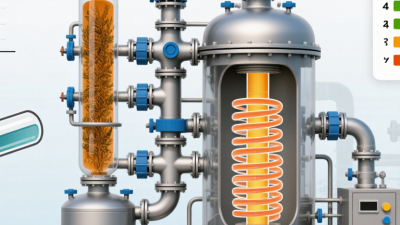
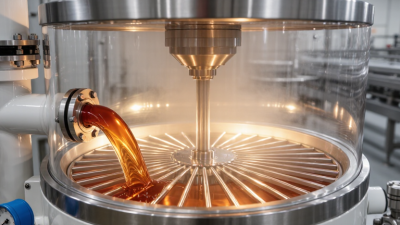
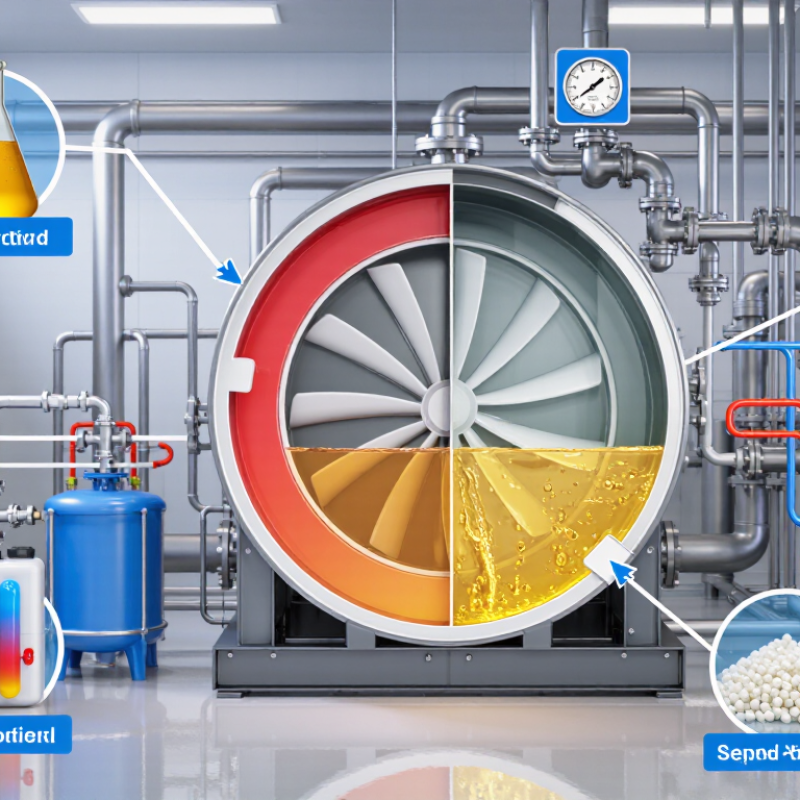
A wiped thin film evaporator is a process vessel that separates volatile compounds from thicker liquid mixtures. It uses a heated cylindrical wall and a rotating rotor with wiping elements. These elements spread the feed into a thin, continuously renewed film.

The feed enters near the top and moves downward along the heated surface. Under reduced pressure, volatile components evaporate at lower temperatures. Vapors leave through a separate outlet, while concentrated liquid exits from the bottom. The wiping action improves heat transfer and reduces stagnant areas. It also limits excessive residence time, which matters for heat-sensitive materials.

In practical operation, feed distribution is critical. A poorly adjusted inlet can create dry patches or uneven film thickness. Rotor speed, wall temperature, vacuum level, and feed rate must work together. Higher speed may improve coverage, but it can also increase power demand and mechanical wear. Lower pressure supports gentler evaporation, although leaks can quickly reduce performance.

The right design depends on viscosity, boiling range, solids content, and required throughput. Laboratory trials are useful because real fluids often behave differently from calculations. A clean-looking film may still hide fouling near the outlet. This is easy to underestimate. Operators should inspect temperature profiles, pressure stability, product color, and residence time during testing. Small changes in feed temperature can alter the entire evaporation pattern.

Key Factors for Matching Evaporator Design to Process Requirements

Choosing the right wiped thin film evaporator starts with the process, not the equipment catalogue. Define feed rate, viscosity, solids content, boiling temperature, and target concentration. These values shape the heating area, rotor design, and vacuum requirements. Heat-sensitive materials need short residence times and careful temperature control. Thick feeds may require stronger wiping action and wider feed passages.

Process experience also matters. I have seen designs fail when laboratory data ignored seasonal changes in viscosity. A stable feed can become difficult after storage, dilution, or upstream filtration. Check fouling risks, wall temperature, vapor load, and cleaning access. Material compatibility deserves attention too, especially when the feed contains corrosive or abrasive components. Calculations can look exact, but operating margins are often less certain.

Tips: Request pilot testing with real feed material. Record feed temperature, vacuum level, rotor speed, and outlet moisture. Compare several runs, not one successful trial. Leave capacity margin for viscosity changes and gradual fouling. Review maintenance access before approving the final layout. A compact evaporator may save floor space, yet restricted access can increase downtime. Do not select solely by evaporation capacity; product quality, residence time, energy use, and operator control must match the complete process.

How to Choose the Right Wiped Thin Film Evaporator

Key factors for matching evaporator design to process requirements

How to interpret the chart: Operating under vacuum lowers boiling temperature and can reduce thermal exposure for heat-sensitive products. Feeds with higher boiling temperatures, rising viscosity, fouling tendency, or suspended solids generally require stronger wiping action, sufficient heat-transfer area, and carefully controlled residence time. The values shown are approximate pure-component saturation temperatures at 10 kPa absolute and are rounded for process-screening use.

Comparing Evaporator Types, Materials, and Configuration Options

Choosing a wiped thin film evaporator starts with the feed, not the equipment brochure. Wiped systems suit heat-sensitive, viscous, or fouling materials because rotating blades renew the film continuously. Falling film evaporators may deliver excellent throughput with clean, low-viscosity feeds. Rising film designs can be simpler, but they need stable boiling conditions. Short-path configurations reduce vapor travel distance and support deep vacuum service.

Material selection deserves equal attention. Stainless steel is common for many neutral feeds and offers practical cleaning access. Corrosive or chloride-rich streams may require a higher-alloy construction. Glass-lined surfaces can help with chemical resistance, although mechanical impact requires careful control. Seals, gaskets, and rotor components must match the process temperature and chemistry. A strong metal shell is not enough.

Configuration changes performance. Vertical units often save floor space and support natural drainage. Horizontal units can help with very viscous products or limited headroom. Blade clearance affects residence time, film renewal, and power demand. A smaller clearance may improve heat transfer, but it can increase wear. Vacuum condenser placement also matters. Long vapor paths create avoidable losses.

Check real feed data.

Pilot trials remain valuable. Measure viscosity at operating temperature, not room temperature. Review fouling after several hours, not just initial heat transfer. A neat specification sheet can still mislead. I have seen acceptable laboratory results fail during continuous operation because feed variation was ignored. Leave room for adjustment in rotor speed, heating area, and vacuum control. The best configuration is usually the one that tolerates imperfect process conditions.

Evaluating Capacity, Energy Use, Maintenance, and Product Quality

How to Choose the Right Wiped Thin Film Evaporator

Capacity should match the actual feed, not an optimistic production forecast. A larger evaporator may increase throughput, but it can waste energy during low-load operation. Check feed rate, viscosity, solids content, and residence time together. Real measurements matter. Pilot testing can reveal whether the selected rotor handles foaming, heat sensitivity, and uneven flow. I have seen designs fail because capacity calculations ignored seasonal changes in feed composition.

Energy use depends on more than heater power. Compare heat-transfer area, vacuum efficiency, insulation, and condenser performance. Review specific energy consumption per kilogram of product. Small leaks can force the vacuum system to work harder. Insulation also deserves inspection near flanges and discharge zones. These details seem minor. They are not.

Maintenance affects both operating cost and product quality. Choose access points that allow quick cleaning and inspection of wiper blades, seals, bearings, and condensers. Ask how often parts require adjustment under continuous operation. Product quality depends on controlled temperature, stable vacuum, and short residence time. Check color, viscosity, moisture, and thermal degradation during trials. One weakness remains easy to overlook: cleaning procedures may change the product’s first batch after startup. Record that variation instead of hiding it.

Common Applications and Practical Selection Considerations

How to Choose the Right Wiped Thin Film Evaporator

Wiped thin film evaporators serve demanding duties in pharmaceuticals, food ingredients, polymers, and specialty chemicals. Their rotating wipers spread liquid across a heated wall. This creates a thin, turbulent film and shortens residence time. That matters when products dislike heat or prolonged exposure. Grand View Research valued the global pharmaceutical manufacturing equipment market at over USD 15 billion in 2023. This growth increases demand for gentle, controllable concentration systems.

Selection should begin with the feed, not the equipment size. Record viscosity, solids content, boiling range, fouling tendency, and thermal sensitivity. A sticky polymer may need stronger wiping and a larger clearance. A heat-sensitive extract may require deeper vacuum and lower wall temperature. Food applications also demand cleanable surfaces and suitable hygienic design. The FAO reports that roughly 14% of global food production is lost before retail. Better concentration cannot solve every loss, but stable evaporation can reduce process waste. That claim still needs plant-specific validation.

Tips: Request pilot testing with real feedstock. Water tests are too forgiving. Compare product color, viscosity, residence time, and energy use. Check whether the condenser handles the expected vapor load. Also examine seal design, cleaning access, and spare-part availability. A compact unit may look efficient, yet poor vapor separation can create downstream problems. The best choice is rarely the largest model. It is the one matching actual operating data.

How to Choose the Right Wiped Thin Film Evaporator - Common Applications and Practical Selection Considerations
Common Application Typical Feed Characteristics Typical Operating Conditions Suitable Evaporator Configuration Key Selection Considerations Main Benefit Important Limitation
Solvent Recovery Low- to medium-viscosity liquid containing volatile organic solvents, dissolved solids, or valuable non-volatile products. Usually operated under vacuum; product temperature commonly ranges from approximately 40–150 °C, depending on solvent boiling point and thermal sensitivity. Standard vertical wiped-film design with a suitable condenser and vacuum system; internal condenser capacity should match the expected vapor load. Confirm solvent compatibility, vapor-condensation capacity, hazardous-area requirements, sealing arrangement, and required solvent recovery rate. Short residence time and efficient separation at reduced pressure. High vapor rates may require a larger condenser, vacuum line, or multiple operating stages.
Concentration of Heat-Sensitive Materials Biological extracts, pharmaceutical intermediates, nutraceutical solutions, or specialty chemicals that may degrade during prolonged heating. Deep vacuum with product temperatures often below 100 °C; residence time is commonly measured in seconds to a few minutes. Low-holdup wiped-film unit with gentle rotor action and accurately controlled heating zones. Prioritize low wall temperature, rapid film renewal, low mechanical shear where required, hygienic design, and easy cleaning. Reduces thermal exposure compared with many conventional batch concentration methods. Very heat-sensitive products may still require additional cooling or a lower boiling temperature.
High-Viscosity Concentration Concentrated syrups, resins, oils, adhesives, or polymer solutions with viscosity that increases substantially during evaporation. Typically operated under vacuum at approximately 60–220 °C, depending on viscosity, product stability, and final solids content. Heavy-duty rotor with robust wiping elements, sufficient torque, and a larger annular clearance to accommodate viscous flow. Evaluate viscosity at operating temperature, torque requirements, discharge design, rotor speed range, and risk of stagnant zones. Maintains a renewed film even when conventional falling-film equipment loses performance. Power demand and mechanical wear increase as viscosity and solids content rise.
Fouling or Crystallizing Feeds Feeds containing dissolved salts, crystallizing solids, suspended particles, polymers, or components that can form deposits on heated surfaces. Operating temperature is selected to maintain product fluidity; vacuum is often used to reduce thermal stress and boiling temperature. Scraper-style or rigid-blade rotor designed for continuous surface renewal and controlled solids discharge. Check solids loading, crystal size, abrasion resistance, cleanability, access for inspection, and whether a purge or flushing procedure is needed. Limits deposit buildup and helps sustain heat-transfer performance. Abrasive solids can accelerate rotor, bearing, and surface wear.
Polymer Devolatilization High-viscosity polymer melt containing residual monomers, moisture, solvents, or other volatile components. Often approximately 150–300 °C under vacuum; actual temperature depends strongly on polymer melt stability and target residual volatiles. High-torque rotor with strong surface renewal, adequate free volume, and a dedicated vapor outlet or downstream separation system. Size for melt viscosity, volatile loading, required residual level, torque, vapor disengagement, and prevention of polymer degradation. Provides intensive mass transfer from a viscous melt with relatively low residence time. Poorly designed vapor disengagement can cause entrainment, foaming, or unstable pressure control.
Purification of Thermally Sensitive Chemicals A liquid mixture containing a target compound and lighter or heavier impurities with different volatilities. Vacuum operation is common; temperature and pressure are established from vapor–liquid equilibrium data and product stability limits. Wiped-film evaporator used as a concentrator, pre-purification step, or short-path-related process stage where appropriate. Obtain reliable boiling-point data, define purity targets, assess entrainment, and confirm whether one or more stages are necessary. Combines rapid evaporation with controlled thermal exposure. A single evaporator may not provide sufficient separation for closely boiling components.
Food, Oil, and Natural-Product Processing Edible oils, flavors, extracts, concentrated plant materials, or products sensitive to oxidation and overheating. Commonly operated under vacuum with product temperatures selected to preserve flavor, color, nutritional value, and oxidation stability. Sanitary vertical unit with polished product-contact surfaces, drainable geometry, and clean-in-place provisions where applicable. Specify hygienic materials, surface finish, gasket compatibility, oxygen control, cleaning method, and regulatory documentation. Low oxygen exposure and short residence time can help protect product quality. Food-grade design may increase equipment cost and may restrict certain rotor or seal materials.
Water Removal from Concentrated Waste Streams Aqueous streams with elevated dissolved solids, organic contaminants, salts, or variable viscosity. Usually operated under vacuum or moderate pressure; heating conditions depend on scaling tendency and discharge concentration. Robust wiped-film unit with corrosion-resistant wetted parts and a solids-capable discharge arrangement. Assess feed variability, scaling rate, corrosion, foaming, solids handling, wastewater classification, and energy integration opportunities. Can reduce liquid volume and recover water or volatile components in a compact footprint. High salt or solids concentrations may require frequent cleaning and carefully selected materials.
Pilot-Scale Development and Scale-Up New formulations or variable feeds where viscosity, fouling behavior, thermal stability, and vapor load are not yet fully established. Operating pressure, temperature, rotor speed, feed rate, and residence time are varied systematically during testing. Pilot unit with adjustable rotor speed, interchangeable wiping elements, flexible vacuum control, and representative materials of construction. Collect data on heat-transfer coefficient, evaporation rate, torque, product quality, pressure stability, fouling, and discharge behavior. Reduces scale-up risk and provides process data for equipment sizing. Pilot results must be interpreted carefully because heat transfer and hydrodynamics change with equipment size.
Practical selection checklist: Confirm feed rate, viscosity profile, boiling-point or vapor-pressure data, solids content, fouling tendency, thermal stability, target evaporation duty, operating pressure, allowable residence time, required product purity, materials compatibility, rotor torque, vapor-handling capacity, cleaning method, and discharge behavior. Final sizing should be verified through representative laboratory or pilot testing whenever the feed is highly viscous, heat-sensitive, fouling, foaming, or compositionally variable.