Employment Application Apply
Choosing the right thin layer evaporator manufacturer can influence product quality, operating cost, and plant reliability. This matters in pharmaceuticals, food ingredients, polymers, solvents, and specialty chemicals. Each sector demands different answers. Some plants need gentle treatment. Others prioritize high throughput.
J. M. Coulson, a respected chemical-engineering authority, wrote, “The object of evaporation is to concentrate a solution consisting of a non-volatile solute and a solvent.” That simple principle still guides modern thin layer evaporator design. Today’s systems add controlled residence time, scraped heat-transfer surfaces, vacuum operation, and precise temperature management. These features help reduce fouling and protect heat-sensitive materials.
This guide examines the Top 10 Thin Layer Evaporator Manufacturers Worldwide. It considers engineering experience, equipment configuration, materials of construction, service support, and process flexibility. Manufacturer reputation alone is not enough. A polished brochure cannot replace verified performance data.
Look closely at practical details. Can the rotor handle viscous feed? Are cleaning procedures realistic? Does the supplier provide pilot testing and scale-up calculations? These questions often expose important differences.
The ranking is not absolute. It reflects publicly available information, technical visibility, product range, and industrial credibility. Some manufacturers may perform better in regional markets than global rankings suggest. That limitation deserves attention. Thin layer evaporator selection remains application-specific, and a strong supplier still needs the right process data.
Readers should compare residence time, evaporation capacity, vacuum stability, energy demand, and after-sales support. Small design choices can affect years of operation. Reliable decisions begin with evidence, not impressive claims.
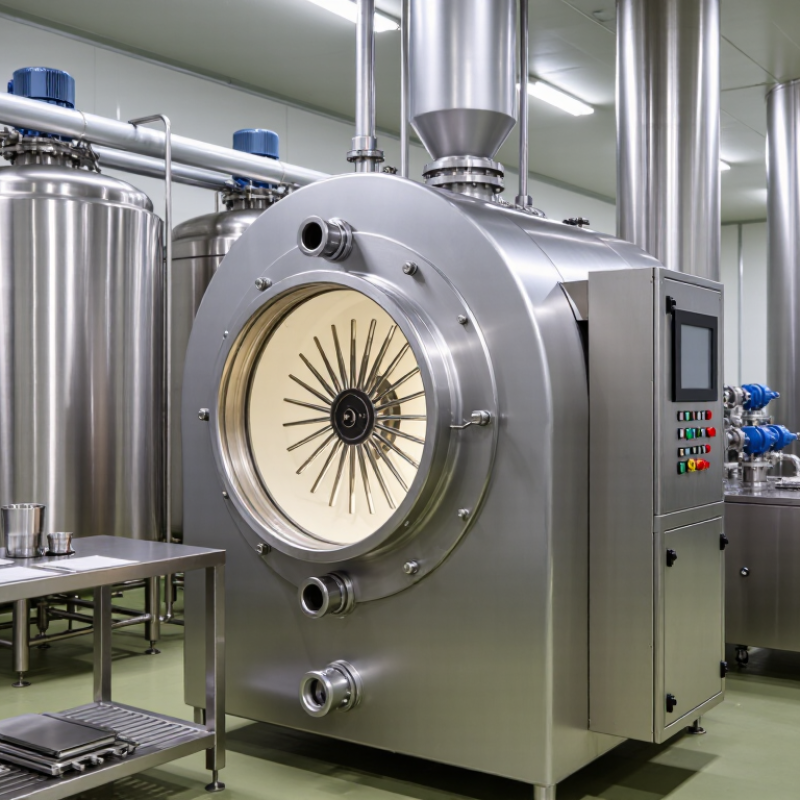
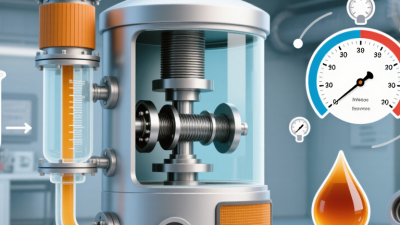
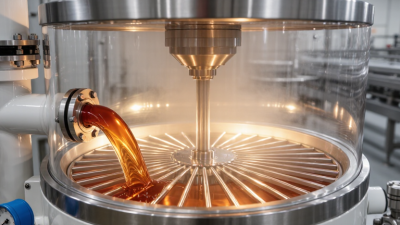
A thin layer evaporator spreads liquid across a heated surface. A rotor, wiper, or carefully shaped feed system creates this film. Its shallow thickness shortens the path for heat and vapor transfer. This matters when products are viscous, heat-sensitive, or prone to fouling. Lower residence time can protect quality, but it does not remove every thermal risk.
Design choices depend on material behavior. Wiped-film systems handle changing viscosity and uneven feed rates effectively. Falling-film designs suit cleaner liquids with stable flow. Key variables include wall temperature, rotor speed, vacuum level, feed distribution, and condenser capacity. Engineers should measure them together. Adjusting only temperature often creates misleading results. A slightly cooler wall may improve color, yet increase residual moisture.
Industrial uses include concentration of food ingredients, purification of specialty chemicals, recovery of solvents, and treatment of high-boiling process streams. Operators inspect film stability through sight glasses, pressure trends, and product samples. A dry patch on the wall can signal poor distribution. It may also indicate an incorrect feed rate. Pilot testing remains valuable because laboratory fluids rarely behave exactly like full-scale materials. Some designs look efficient on paper. Plant reality is less tidy. Reliable manufacturers should therefore document heat-transfer data, materials of construction, cleaning access, seal performance, and scale-up assumptions.
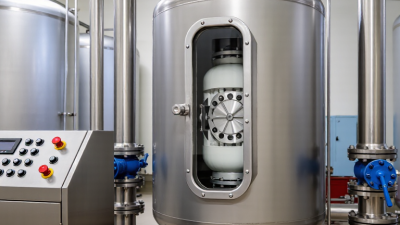
Comparing the Top 10 Thin Layer Evaporator Manufacturers Worldwide requires more than checking catalog capacity. A reliable review begins with process evidence. Examine feed rate, viscosity, solids content, boiling temperature, and required evaporation duty. These details reveal whether a machine suits real production conditions.
Heat-transfer area matters, but it is not the only measure. Compare rotor design, film thickness, residence time, vacuum stability, and temperature control. Short residence time can protect sensitive materials. Stable vacuum can reduce thermal stress. Ask for pilot-test data using a feed similar to yours. Generic laboratory results may mislead.
Construction quality deserves close attention. Check wetted materials, surface finish, seals, cleaning access, and corrosion resistance. Also assess commissioning support, spare-parts availability, operator training, and documented maintenance intervals. Certifications and factory quality procedures strengthen credibility, but paperwork cannot replace operating references. Speak with users handling comparable viscosity and throughput.
Lifecycle cost often exposes the weaker comparison. Include energy use, downtime, cleaning labor, replacement parts, and installation complexity. A lower purchase price may become expensive after repeated interruptions. Some suppliers provide excellent engineering, yet their documentation may be incomplete. That weakness deserves discussion, not polite omission. Performance can vary with feed composition, so every ranking should remain conditional. A thoughtful buyer compares measured results, not confident promises.
This neutral 100-point procurement framework highlights the criteria most commonly used when comparing thin layer evaporators. Process capacity, vacuum performance, thermal control, and product residence time receive the greatest weighting because they directly affect throughput, product quality, and operating efficiency. The percentages represent evaluation priorities rather than individual manufacturer claims.
The worldwide market includes ten notable manufacturer profiles, each serving different process demands. One specializes in compact laboratory evaporators for solvent screening. Another builds stainless steel systems for food ingredients and plant extracts. A third focuses on high-vacuum units with short residence times. Two manufacturers are known for modular skids, making installation easier in crowded plants. Another develops corrosion-resistant equipment for acidic feed streams. One supplier emphasizes pilot-scale testing before production design. A further manufacturer supports continuous pharmaceutical processing with carefully controlled heating. Two engineering-led companies provide customized wiping systems for viscous materials and heat-sensitive compounds. Their strengths differ in rotor design, sealing quality, automation, and after-sales service. Performance claims still require practical verification.
Tips: Request residence-time data, vacuum stability records, and heat-transfer surface details. Inspect weld quality and rotor balance. Ask whether the supplier has tested a feed similar to yours. A small pilot trial can reveal foaming, fouling, or unexpected thermal damage. Do not trust catalog capacity alone.
Experienced buyers should compare the complete operating picture. Review energy use, cleaning access, spare-part availability, and operator training. A reliable supplier explains limitations clearly, rather than promising universal performance. Independent test results add confidence, but they may not match every plant condition. Feed viscosity changes with temperature. That detail is easy to underestimate. Performance also depends on condenser sizing, vacuum-pump selection, and feed distribution. Some specifications look impressive yet remain vague. Careful questioning improves the final choice.
Leading thin layer evaporator manufacturers compete through more than equipment size or heating capacity. Their strength appears in rotor design, heat-transfer control, vacuum stability, and documented testing. Experienced suppliers can explain how residence time affects viscosity, thermal exposure, and final product quality.
Customization often begins with the feed, not the catalog. Engineers may adjust rotor clearance, condenser dimensions, jacket zones, and surface finishes. A pilot trial can reveal problems that drawings miss. For example, a sticky feed may form deposits near the discharge outlet. That detail can change the scraper design and cleaning method.
Service capability also separates dependable suppliers from ordinary fabricators. Strong teams provide process calculations, factory acceptance testing, installation guidance, operator training, and spare-parts planning. They should discuss maintenance intervals in practical terms, such as seal inspection hours and cleaning access. Remote support helps, but it cannot replace a skilled technician during commissioning. Some suppliers still overpromise throughput. That deserves scrutiny. Buyers should request test conditions, material certificates, control-system documentation, and references from comparable applications before approving a global supplier.
Selecting a thin layer evaporator manufacturer starts with your process, not a catalog. Define feed viscosity, solids content, heat sensitivity, target throughput, and allowable residence time. A supplier should explain how rotor design, vacuum level, and heating surface affect these variables. Ask for pilot testing with your actual feed. Water trials alone can hide fouling, foaming, or unstable discharge.
Look closely at engineering evidence. Reliable manufacturers provide heat and mass balance calculations, material certificates, drawings, control logic, and documented test results. Check whether wetted parts suit your chemistry and operating temperature. Confirm cleaning access, seal replacement intervals, and spare-part availability. Service response matters when a shaft stops turning at midnight. Request references from facilities with similar viscosity and capacity requirements, not merely similar equipment names.
Experience is visible in the questions a supplier asks. A serious team will discuss feed pretreatment, scaling behavior, vacuum protection, and start-up procedures before quoting. Compare guarantees carefully, especially evaporation rate, product quality, energy use, and residual moisture. No selection is flawless. A spreadsheet can still mislead when laboratory data lacks scale-up detail. I would also leave room for uncertainty and require a performance review after commissioning. The best partnership includes operators, process engineers, and maintenance staff throughout the design. Pricing should be assessed alongside lifecycle cost, downtime risk, and practical support. In this equipment, the cheapest proposal can become the most expensive lesson.
Manufacturer-neutral evaluation framework for comparing thin layer evaporator suppliers
| No. | Selection Dimension | What to Verify with the Manufacturer | Process Relevance | Recommended Evidence |
|---|---|---|---|---|
| 1 | Feed and Product Experience | Confirm experience with the same feed type, solids content, viscosity, volatility, fouling tendency, and product sensitivity. | Thin layer evaporation performance depends strongly on feed rheology, residence time, and heat-transfer behavior. | Request anonymized case histories, product recovery data, and references for comparable applications. |
| 2 | Evaporator Configuration | Compare vertical or horizontal arrangements, rotor design, wiped-film or agitated-film operation, and feed-distribution method. | The configuration affects liquid-film uniformity, heat transfer, solids handling, and mechanical accessibility. | Ask for process flow diagrams, rotor drawings, and a written explanation of the selected configuration. |
| 3 | Throughput and Scale-Up Method | Verify feed-rate limits, evaporation duty, usable heat-transfer area, turndown capability, and the supplier’s scale-up calculation method. | A laboratory or pilot result cannot be scaled reliably without accounting for residence time, heat flux, viscosity, and mass-transfer limits. | Require a documented mass balance, heat balance, design basis, and guaranteed operating range. |
| 4 | Vacuum and Thermal Performance | Check operating pressure, heating-medium conditions, condenser arrangement, non-condensable removal, and temperature-control capability. | Vacuum operation can reduce boiling temperature and help protect heat-sensitive materials, provided pressure is stable. | Request pressure-drop calculations, heat-transfer assumptions, condenser sizing, and test results at design conditions. |
| 5 | Materials of Construction | Review wetted-part materials, surface finish, elastomers, mechanical seals, weld quality, and compatibility with feed and cleaning agents. | Corrosion, contamination, and product adsorption can affect equipment life and product quality. | Obtain a complete material certificate package, surface-finish specification, and chemical-compatibility assessment. |
| 6 | Fouling and Solids Handling | Evaluate rotor clearance, scraper or wiper construction, discharge design, cleanout access, and operation with crystallizing or high-solids feeds. | Fouling can reduce heat transfer, increase torque, restrict flow, and create unplanned shutdowns. | Request fouling-control procedures, torque limits, cleaning instructions, and pilot-test observations. |
| 7 | Product Quality and Residence Time | Verify expected residence-time distribution, product temperature, volatile recovery, degradation risk, and carryover control. | Short and controlled residence time is important for heat-sensitive, reactive, or easily oxidized products. | Define measurable product specifications and require trial data showing yield, purity, color, and thermal stability. |
| 8 | Pilot Testing and Process Guarantees | Determine whether the supplier offers laboratory or pilot trials using representative feed and whether performance guarantees are contractually defined. | Testing reduces uncertainty when feed behavior, fouling, or product quality cannot be predicted from theory alone. | Use an agreed test protocol covering feed preparation, operating conditions, acceptance criteria, sampling, and analytical methods. |
| 9 | Compliance, Safety, and Documentation | Check pressure-equipment compliance, hazardous-area requirements, hygienic design needs, guarding, risk assessment, and documentation standards. | The correct compliance package depends on location, process hazards, product category, and installation environment. | Request certificates, equipment files, P&IDs, electrical documents, operating manuals, and maintenance instructions. |
| 10 | Lifecycle Support and Total Cost | Compare commissioning support, spare-parts availability, service response, preventive-maintenance requirements, energy consumption, and delivery schedule. | Purchase price alone does not represent total ownership cost; downtime, utilities, wear parts, and service can be significant. | Request a lifecycle-cost estimate, spare-parts list, service-level terms, warranty conditions, and commissioning plan. |