Employment Application Apply
Choosing a vta thin film evaporator supplier is not just a matter of comparing equipment prices. These systems handle heat-sensitive, viscous, or high-boiling materials, so design details can shape product quality and operating costs. A carefully selected unit may help reduce thermal exposure, support continuous processing, and simplify separation. Small details matter. Rotor geometry, vacuum performance, material selection, and seal design all deserve close review.
This guide introduces seven suppliers serving markets worldwide and offers a practical starting point for comparing their capabilities. It considers factors such as process experience, customization options, technical support, and the availability of pilot or production-scale equipment. Supplier claims should still be checked against project requirements and independent references. Ask for process data, not just a polished brochure. Where possible, review trials using a representative feed, since viscosity and fouling behavior can change results significantly. A vendor’s reputation is useful, but it cannot replace engineering checks. No shortlist is perfect. Regional service coverage, lead times, and the quality of commissioning support may matter as much as the machine itself. The right choice depends on the feed, target throughput, product sensitivity, and facility constraints. Some details may be easy to overlook during early planning. This overview is intended to help buyers ask better questions, compare options consistently, and identify suppliers worth evaluating further.
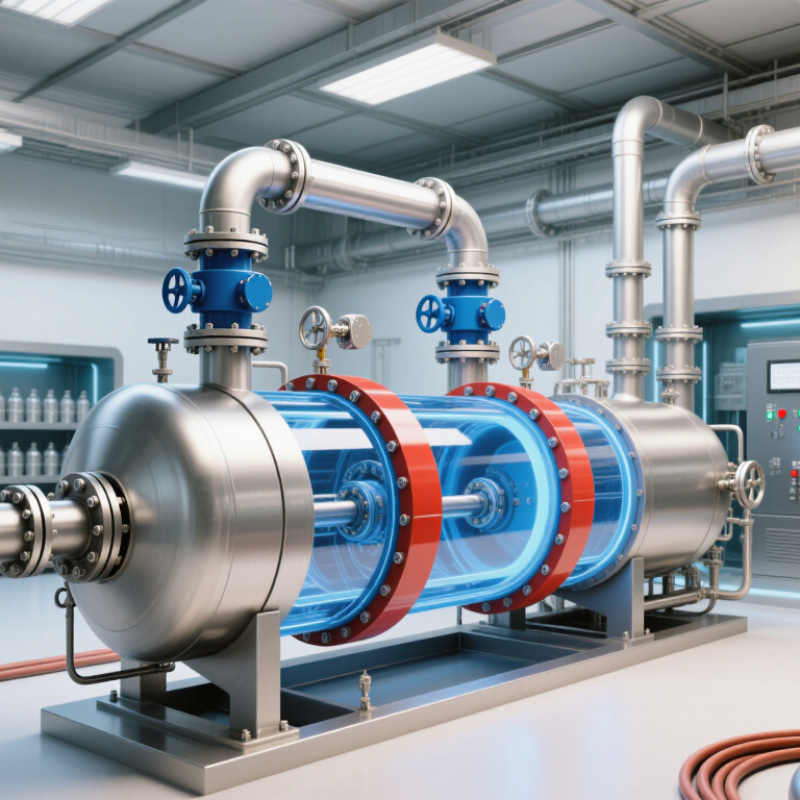
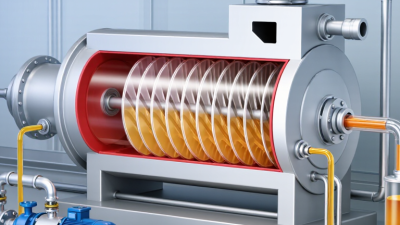
A VTA thin-film evaporator is a vertical unit that spreads liquid across a heated cylindrical surface. A rotating assembly with wiper blades or rollers keeps the film thin and moving. In this context, “VTA” describes the equipment type, not a guarantee of identical design across suppliers. The feed enters near the top, then flows downward as the rotor distributes it over the wall. Heat passes through the vessel, causing some components to vaporize. The vapor moves to a condenser, while the less volatile liquid exits through a separate outlet.
Many units operate under vacuum. Lower pressure can reduce the temperature needed for evaporation, which helps limit heat exposure for sensitive materials. Operators adjust feed rate, rotor speed, heating temperature, and vacuum to balance throughput with product quality. For example, a viscous feed may need slower flow or a different rotor setup to maintain an even film. That detail matters. Poor distribution can create dry patches, uneven heating, or residue buildup.
The process is compact, but it is not effortless. Seal wear, fouling, and changing feed properties can affect performance, so inspection and cleaning plans matter. A supplier should explain expected operating limits and provide data for the actual feed, not just a broad capacity estimate. Lab or pilot testing is useful, though results may not transfer perfectly to full scale. Real systems are less tidy than diagrams suggest.
Comparing thin film evaporator suppliers requires more than checking purchase prices. The right assessment begins with process evidence. Ask whether the supplier has handled similar feed viscosity, solids content, heat sensitivity, and solvent behavior. Request test results, not only polished brochures. A small pilot trial can reveal fouling, residence time, product loss, and actual evaporation capacity. Details matter.
Equipment design also deserves close inspection. Compare heating area, rotor configuration, vacuum stability, sealing materials, and surface finish. Confirm the stated capacity under conditions close to your operation. Some suppliers quote ideal figures. Those figures may not survive continuous production. Review utility consumption, cleaning access, instrumentation, and control-system integration. A practical design should be easy to inspect and maintain.
Supplier reliability is equally important. Examine engineering qualifications, documented quality procedures, material certificates, and compliance with applicable local standards. Ask for references from facilities using comparable systems. Response time matters when a mechanical seal fails at midnight. Check spare-parts availability, commissioning support, operator training, and warranty limits. Service promises should appear in writing. A low-cost offer can become expensive after delays, redesigns, or repeated maintenance. No scorecard is perfect. Still, weighting process performance, lifecycle cost, and technical support usually produces a safer decision than choosing the lowest quote.
Use these seven criteria to compare suppliers of vertical thin-film (VTA) evaporators. The table is a procurement checklist, not a ranking of named suppliers; request application-specific evidence before making a selection.
| # | Comparison criterion | What to assess | Evidence to request | Why it matters |
|---|---|---|---|---|
| 1 | Application and process fit | Feed viscosity, thermal sensitivity, solids content, target throughput, and required evaporation or concentration duty. | A written process review, relevant reference applications, and a test plan using representative feed where feasible. | Thin-film equipment performance depends on the feed and operating conditions; a nominal capacity alone does not establish suitability. |
| 2 | Evaporation surface and rotor design | Wiped-film or mechanically agitated film arrangement, rotor configuration, clearances, and how the design handles the stated feed. | Equipment drawings, design description, and operating data for a comparable process duty. | Film formation and renewal affect heat transfer, product exposure, and the ability to process viscous or fouling materials. |
| 3 | Vacuum and thermal operating range | Guaranteed operating pressure, heating-medium range, temperature control, condenser arrangement, and compatibility with the required boiling conditions. | A process datasheet stating guaranteed ranges and the boundary conditions used for any performance estimate. | Reduced pressure can lower boiling temperature, but actual separation performance also depends on feed properties and system design. |
| 4 | Materials and mechanical design | Wetted materials, corrosion compatibility, surface finish where specified, seals, rotor construction, and applicable pressure or vacuum design requirements. | Material certificates and a documented materials-of-construction list; clarify applicable codes and inspection scope for the project. | Material selection must match the chemistry, temperature, cleaning method, and operating environment of the process. |
| 5 | Cleaning, maintenance, and operability | Access for inspection, rotor removal, cleaning approach, seal and bearing maintenance, spare-parts availability, and expected service intervals. | Maintenance instructions, recommended spare-parts list, cleaning guidance, and service-support arrangements. | Maintainability affects cleaning time, availability, and the practical cost of operating the unit. |
| 6 | Controls, safety, and documentation | Control-system scope, instrumentation, alarms, guarding, process hazard interfaces, and documentation supplied for installation and operation. | Instrument list, control narrative, safety documentation, manuals, and a clear statement of customer and supplier responsibilities. | A clear scope supports safe integration, commissioning, and consistent operation within the wider plant. |
| 7 | Testing, delivery, and lifecycle support | Factory acceptance testing, performance guarantees and their conditions, commissioning, training, delivery schedule, warranty, and regional service capability. | A project schedule, acceptance-test protocol, written guarantee terms, warranty details, and named support contacts for the installation region. | Comparable commercial terms and measurable acceptance criteria make supplier proposals easier to evaluate fairly. |
Comparison tip: Request the same process data, scope boundaries, guarantee basis, and acceptance-test conditions from every bidder. Treat unverified capacity or performance figures as estimates rather than guaranteed results.
A global search for VTA thin film evaporators can cover seven supplier regions: Germany, Switzerland, Italy, Japan, China, India, and North America. Their strengths may differ, from precision-machined rotors to custom vacuum systems and local commissioning. Treat geography as a starting point, not proof of performance. Ask each supplier for a comparable test using your feed, target throughput, and heat sensitivity. Small details matter: rotor clearance, seal design, wetted materials, and how quickly operators can clean the unit.
Energy use deserves close attention. The International Energy Agency’s Energy Efficiency 2023 report estimates that industry consumes about 37% of global energy, making efficient process design a practical concern. The European Commission’s Large Volume Organic Chemicals BREF also highlights energy management and process integration as best-available-technique considerations. These reports do not rank evaporator vendors, so don’t mistake broad industry data for equipment guarantees. Request measured evaporation rates, operating pressure, product temperature, and utility consumption under stated conditions. A polished brochure is not a trial. Even a well-designed machine may disappoint if feed viscosity or fouling behavior changes; that part is easy to underestimate.
Choosing among the 7 best VTA thin film evaporator suppliers worldwide requires more than comparing catalog capacity. Their technologies differ in rotor design, heating-zone control, vacuum stability, and residence-time management. A supplier experienced with viscous, heat-sensitive feeds should explain how the evaporator handles fouling, foaming, and uneven flow. Ask for pilot-test data, not only impressive brochures.
On a factory visit, inspect the feed distributor, rotor clearance, seals, and surface finish. These details influence film uniformity and cleaning time. Some suppliers offer advanced temperature sensors and automated vacuum control. Others provide simpler systems that are easier to maintain. Neither option is automatically superior. The correct choice depends on product sensitivity, throughput, solvent load, and available operators.
Service quality can separate an excellent machine from an expensive problem. Reliable suppliers support process trials, scale-up calculations, installation, commissioning, and operator training. They should provide clear drawings, maintenance schedules, spare-parts lists, and realistic performance limits. Remote support helps, but it cannot replace skilled site technicians during startup. That gap matters.
A practical evaluation should include total ownership cost, delivery capability, documentation quality, and response time. Request references from facilities with similar feed behavior. Compare actual energy use and cleaning procedures. Some suppliers may overpromise capacity before testing your material. This is where careful questioning protects the project. Even experienced engineers can underestimate viscosity changes during concentration.
Choosing a VTA thin film evaporator supplier begins with your process, not the supplier’s catalog. Define feed viscosity, solids content, thermal sensitivity, and target evaporation rate. A laboratory sample may flow easily, while production feed sticks to heated surfaces.
Ask for pilot testing with your actual material. During trials, record wall temperature, vacuum level, rotor speed, residence time, and product color. Request mass-balance data, cleaning procedures, and film-thickness measurements. Small details matter. A short residence time can protect sensitive compounds, but it may reduce final dryness.
Review the supplier’s engineering depth and manufacturing controls. Check weld quality records, material certificates, surface-finish specifications, and pressure-test documentation. Confirm whether the system supports your required heating medium and vacuum range. Spare seals, bearings, sensors, and technical response times deserve equal attention. They are easy to overlook. A low purchase price can become expensive when one seal stops production for several days. Ask for references using similar feed characteristics, not merely similar equipment sizes. Examine the proposed design critically, because supplier calculations may rely on ideal laboratory data. Clear drawings, realistic guarantees, operator training, and accessible service support provide stronger evidence of reliability than polished marketing language.