What Is a Horizontal Wiped Film Evaporator?

A horizontal wiped film evaporator is a specialized thermal separation system for concentrating, purifying, or gently evaporating heat-sensitive materials. Unlike a simple kettle, it spreads liquid into a thin, continuously renewed film across a heated cylindrical surface. A rotating wiper system maintains contact, reduces stagnant zones, and helps vapor escape quickly. The result can be valuable when residence time, viscosity, and product quality matter.

Process-equipment authority Dr. James R. Couper offers a practical principle: “Select equipment for the process, not the catalog.” That advice fits this technology closely. Feed rate, boiling temperature, vacuum level, viscosity, fouling tendency, and desired concentration must guide the design. A laboratory sample may appear easy to process, yet a production feed can behave differently after several hours of heating. Small details matter. Wiper clearance matters. So does seal performance.

This guide examines what a horizontal wiped film evaporator is, how its rotor and heated surface work, and where engineers commonly apply it. It also considers feed distribution, vapor-liquid separation, heat-transfer limits, and cleaning requirements. The equipment can protect sensitive products, but it is not automatically the best choice. Poor vacuum control may increase boiling temperature. Excessive rotor speed may create shear or unstable flow. In practice, reliable results often depend on pilot testing and careful operating data. That part is easy to underestimate. The most useful evaluation combines equipment specifications with real feed behavior, measured over time.
What Is a Horizontal Wiped Film Evaporator?

Definition and Industrial Role of a Horizontal Wiped Film Evaporator

What Is a Horizontal Wiped Film Evaporator?

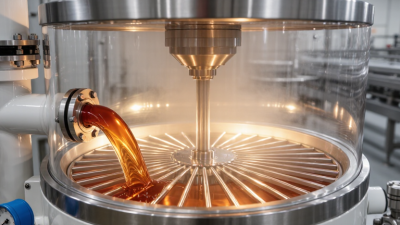
A horizontal wiped film evaporator is a continuous thermal separation unit. It uses a heated horizontal shell and rotating wiper blades. These blades spread liquid into a thin, moving film across the wall. Under vacuum, volatile components evaporate at lower temperatures. The concentrated residue leaves separately.

Its industrial role is important where products are viscous, heat-sensitive, or difficult to process. Applications include specialty chemicals, polymers, oils, food ingredients, and pharmaceutical intermediates. The short residence time can reduce scorching and unwanted reactions. Operators still need to control feed rate, wall temperature, vacuum level, and blade speed. Small changes can alter product quality.

The energy issue is substantial. The IEA’s Energy Efficiency 2023 report states that industry used about 37% of global final energy in 2022. The U.S. Department of Energy’s Industrial Decarbonization Roadmap identifies process heating as roughly 51% of onsite manufacturing energy use. Efficient evaporation therefore has practical value beyond equipment selection. Better heat transfer may reduce repeated processing and cleaning cycles.

Not universally better.

A horizontal design can struggle with unstable feeding, poor wetting, or excessive fouling. Actual performance depends on viscosity, volatility, solids loading, and vacuum stability. Laboratory trials remain essential. This is where many specifications become too optimistic. Reliable engineering requires measured residence time, energy demand, and residue behavior under realistic operating conditions.

How Rotor Blades Create a 0.1–2 mm Turbulent Liquid Film

What Is a Horizontal Wiped Film Evaporator?

A horizontal wiped film evaporator spreads liquid across a heated cylindrical wall. A rotating shaft carries blades through the feed layer. These blades reduce the liquid film to about 0.1–2 mm. The narrow layer shortens the distance for heat to travel. It also exposes fresh liquid to the heated surface.

The rotor does more than move liquid forward. Each blade continuously wipes the wall, breaks stagnant zones, and renews the surface. This action creates strong local turbulence, even when the overall flow rate is modest. Under vacuum, volatile components vaporize quickly from the thin film. Less volatile material leaves through the outlet. Operators can adjust rotor speed, wall temperature, feed rate, and pressure to control residence time.

The film is not perfectly uniform. It can thicken near the feed point or thin when the feed becomes unstable. That detail matters. Excessive heat may darken sensitive products, while insufficient wiping can reduce evaporation performance. A practical inspection should check blade clearance, shaft alignment, vacuum stability, and wall cleanliness. Operators often learn more from these small checks than from a single design value. The 0.1–2 mm range is useful, but it is not a guarantee. Liquid viscosity, surface tension, and solids content can shift the actual film behavior. Good process design treats the film as dynamic, not fixed.

What Is a Horizontal Wiped Film Evaporator? - How Rotor Blades Create a 0.1–2 mm Turbulent Liquid Film

Technical Dimension Typical Data or Description How It Affects Evaporation
Equipment configuration Horizontal cylindrical heated shell with a rotating internal rotor The horizontal layout provides a compact heated surface while the rotor continuously distributes liquid across the shell wall.
Liquid-film thickness Approximately 0.1–2 mm, depending on feed rate, viscosity, rotor speed, and blade geometry A thin film shortens heat-transfer distance and reduces the liquid volume exposed to elevated temperature at any moment.
Rotor speed Common operating range: approximately 20–500 rpm; many processes operate in the lower or middle part of this range Higher speed generally improves wetting and surface renewal, but increases power consumption and shear.
Rotor-blade function Wiping, spreading, mixing, and repeated liquid-film renewal The blades break up stagnant regions, prevent excessive pooling, and repeatedly bring cooler liquid into contact with the heated wall.
Flow regime Strongly mixed and surface-renewed flow; local turbulence depends on viscosity, blade design, and speed Film renewal reduces concentration and temperature gradients near the heat-transfer surface.
Typical absolute pressure Approximately 1–100 mbar absolute for vacuum evaporation applications Lower pressure decreases the boiling temperature, which helps process heat-sensitive materials.
Typical residence time Often measured in seconds to tens of seconds; the actual value depends on equipment length, feed rate, viscosity, and evaporation duty Short exposure time can reduce thermal degradation, color formation, and unwanted side reactions.
Indicative heat-transfer coefficient Approximately 200–2,000 W/m²·K, depending strongly on viscosity, wetting, pressure, and rotor operation Rotor-induced mixing and thin-film renewal can improve heat transfer compared with an unagitated liquid layer.
Suitable feed characteristics Viscous, shear-sensitive, foaming, fouling-prone, or heat-sensitive liquids Continuous wiping helps maintain wall wetting and can delay the formation of thick deposits.
Operating temperature Process temperature is application-specific; vacuum operation may allow evaporation at substantially lower temperatures than atmospheric boiling The temperature profile should be selected according to boiling point, thermal sensitivity, viscosity, and product quality targets.
Main process advantage Thin, continuously renewed film over a heated surface This combination supports rapid evaporation, improved heat transfer, short residence time, and better handling of difficult liquids.

Note: The numerical ranges are general engineering values for orientation only. Actual performance depends on fluid properties, rotor design, equipment size, vacuum level, heating medium, and operating conditions.

Core Components: Rotor, Heating Jacket, Vacuum System, and Condenser

What Is a Horizontal Wiped Film Evaporator?

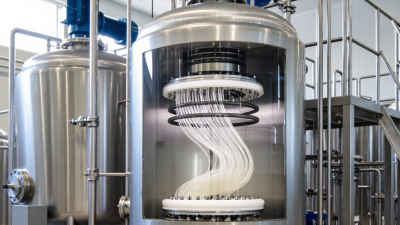
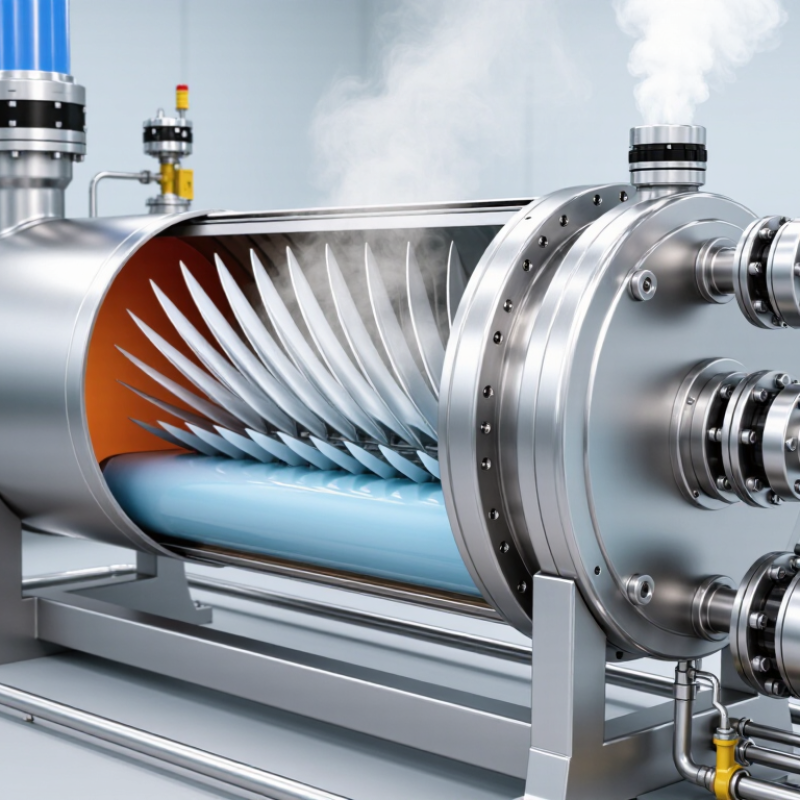
A horizontal wiped film evaporator spreads liquid into a thin film inside a heated chamber. Its rotor moves continuously along the chamber wall. Wiper blades distribute the feed evenly and reduce stagnant zones. This design supports short residence times, which helps protect heat-sensitive materials. The rotor also improves turbulence, although excessive speed can increase shear and maintenance needs.

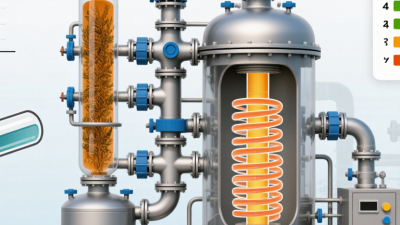
The heating jacket surrounds the evaporation chamber and transfers controlled heat through the wall. Stable temperature control matters because hot spots may cause fouling or product discoloration. A vacuum system lowers the boiling temperature and supports gentler evaporation. It must remain leak-tight; even a small air leak can reduce capacity and disturb operating pressure. The condenser then receives vapor from the chamber and converts it back into liquid. Its cooling area, pressure balance, and drainage arrangement directly influence system performance. This connection is often underestimated.

Tips: Check rotor clearance before operation. Inspect wiper edges regularly. Keep the vacuum line short and clean. Confirm condenser cooling flow during startup. Operators should record pressure, temperature, feed rate, and motor load together. One reading rarely explains the full process. A practical review may reveal that the feed is too viscous, or that the heating duty is simply too high. Good operation depends on adjustment, not guesswork.

Horizontal Wiped Film Evaporator: Water Boiling Temperature Under Vacuum

Lowering the absolute pressure reduces water’s boiling temperature, allowing evaporation at lower thermal stress. In a horizontal wiped film evaporator, the rotor spreads the feed into a thin film, the heating jacket supplies controlled heat, the vacuum system lowers pressure, and the condenser removes and collects the vapor.

Operating Data: 5–60 s Residence Time and 1–100 mbar Absolute Pressure

A horizontal wiped film evaporator spreads liquid across a heated cylindrical surface using rotating wipers. This creates a thin, continuously renewed film. The design supports rapid evaporation when heat-sensitive or viscous materials require gentle handling.

Operating residence time commonly ranges from 5 to 60 seconds. Shorter exposure can reduce thermal stress, while longer exposure may improve evaporation when the feed is highly viscous. Actual residence time depends on feed rate, rotor speed, viscosity, heat flux, and film thickness. It is not a fixed machine value. In practice, the first estimate is often wrong.

Pressure is equally important. The stated range of 1–100 mbar absolute controls boiling temperature and vapor removal. At lower pressure, volatile components can evaporate at reduced temperatures. However, deeper vacuum demands reliable sealing, suitable condensers, and accurate pressure measurement. Gauge pressure must not replace absolute pressure here. That mistake can distort process decisions.

Operators should verify temperature profiles at the inlet, middle zone, and outlet. They should also compare laboratory results with pilot-scale residence-time data. A darkened outlet film, unstable vacuum, or rising motor load may indicate poor distribution or excessive solids concentration. These signs deserve attention. No single setting fits every feed, and scale-up requires measured evidence rather than optimistic assumptions.

Applications, Capacity Ranges, and Key Advantages in Thermal Processing

What Is a Horizontal Wiped Film Evaporator?

A horizontal wiped film evaporator spreads liquid into a thin, continuously renewed film across a heated cylindrical surface. Rotor blades reduce buildup and shorten residence time, which suits heat-sensitive materials, viscous feeds, and products that foul easily. Operators commonly use these systems for solvent recovery, concentration, deodorization, purification, and gentle processing of oils, polymers, pharmaceuticals, and specialty chemicals.

Capacity depends on feed viscosity, evaporation duty, volatility, and allowable product residence time. Pilot units may handle roughly 0.5–5 kilograms per hour, while production machines often process 10–5,000 kilograms per hour. These figures are practical planning ranges, not guarantees. A thick feed can reduce throughput sharply. That detail is often underestimated.

The main advantage is controlled thermal exposure. A thin film improves heat transfer, while mechanical wiping keeps the surface active. This can reduce hot spots and support operation under vacuum at lower boiling temperatures. The IEA’s Energy Technology Perspectives 2024 reports that industry consumed about 37% of global final energy in 2022, making thermal efficiency a serious design consideration. The U.S. Department of Energy also identifies process heating as a major share of manufacturing energy use. In practice, lower pressure, short residence time, and heat recovery may reduce energy demand, but results require measured trials. Feed behavior is rarely predictable from viscosity alone. Color change, foaming, and fouling should be tested before scale-up.