Employment Application Apply
Selecting the 2026 Top Rotating Film Evaporator Suppliers requires more than comparing catalog prices. Buyers should examine heat-transfer performance, vacuum stability, material compatibility, cleaning access, and after-sales support. A poorly matched unit may leave thick residue on the heated wall, increase downtime, and damage heat-sensitive compounds.
Market research from Grand View Research and Fortune Business Insights indicates continued investment in industrial evaporation, driven by pharmaceuticals, specialty chemicals, food ingredients, and wastewater concentration. These reports discuss broader evaporator markets, not always the rotating film evaporator segment alone. That distinction matters. Niche data can be incomplete.
According to Perry’s Chemical Engineers’ Handbook, evaporator design must balance heat transfer, residence time, vapor separation, and product behavior. Dr. James R. Couper, a recognized chemical process equipment author, similarly emphasizes that equipment selection should follow process requirements rather than catalog appearance. In practical terms, suppliers should explain rotor speed, scraped-film thickness, vacuum capability, and demonstrated throughput under comparable conditions.
The strongest suppliers provide pilot-testing evidence, traceable materials, documented performance curves, and responsive engineering teams. They also acknowledge limitations. That is valuable.
This guide evaluates leading 2026 suppliers through technical capability, application experience, certifications, customization, lifecycle service, and customer evidence. Some rankings remain provisional because independent rotating film evaporator data is limited. Readers should verify claims through site visits, sample trials, and reference checks before making a capital purchase.
2026 Top Rotating Film Evaporator Suppliers?
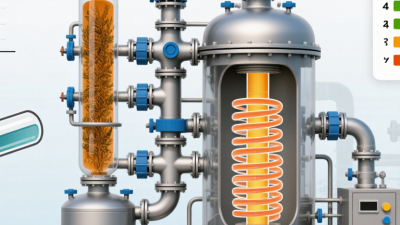
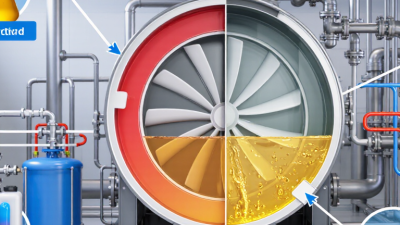
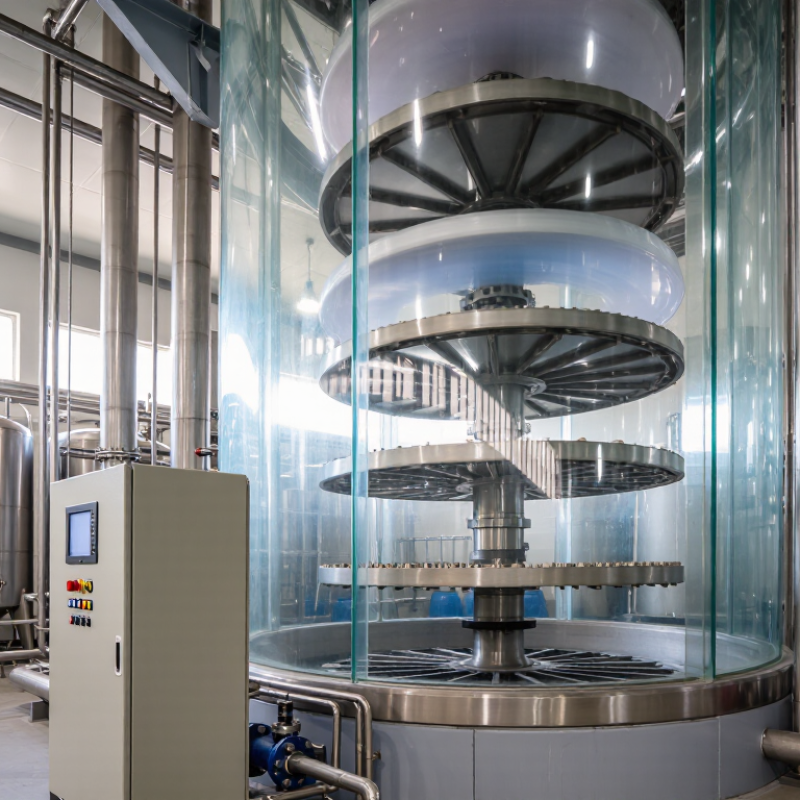
Rotating film evaporators use a heated cylindrical wall and a fast-moving rotor to spread liquid into a thin film. The rotor creates turbulence, renews the surface, and shortens the vapor escape path. That matters for viscous, heat-sensitive feeds. Film transfer is fast. Feed enters continuously, while vapor leaves through a separator. Lower pressure also reduces the boiling temperature and thermal stress.
Operators adjust feed rate, rotor speed, wall temperature, and vacuum together. A slower feed may improve concentration, but excessive residence time can darken sensitive materials. Excessive speed can increase power demand and entrainment. Watch the sight glass. Stable operation depends on even wetting, not maximum rotor speed. The U.S. Department of Energy’s Industrial Decarbonization Roadmap identifies process heating as responsible for roughly 51% of industrial energy use, highlighting the value of efficient heat transfer (DOE, 2022). Actual savings vary.
Performance should be judged by kilograms of water removed per kilowatt-hour, product temperature, and final solids content. Independent trials must use identical feed composition and vacuum conditions. The European Commission’s Food, Drink and Milk BAT reference document emphasizes controlled evaporation and heat recovery as practical efficiency measures (JRC, 2019). Pilot tests can expose foaming, scaling, poor distribution, or unstable condensate flow. One overlooked detail is cleaning. Narrow rotor clearance may improve film formation, yet crystallized solids can make maintenance difficult. Published data helps, but field measurements deserve more trust.
Water saturation temperature at different absolute pressures
Rotating film evaporators spread liquid into a thin, continuously renewed film across a heated surface. Mechanical rotation improves heat transfer, while vacuum operation lowers the boiling temperature and helps protect heat-sensitive materials. The plotted values are approximate saturated-water temperatures based on standard steam-table data.
Selecting a rotating film evaporator supplier requires more than comparing catalog capacity. Experienced buyers inspect the complete process design. Ask for verified evaporation rates, heat-transfer data, vacuum performance, and product residence-time results. These figures should match your feed viscosity, solids content, temperature sensitivity, and required operating hours.
Supplier evaluation should also cover materials, shaft seals, rotor balance, instrumentation, and cleaning access. Request drawings, test reports, maintenance intervals, spare-parts lists, and commissioning procedures. A reliable supplier explains limitations clearly. They should provide realistic delivery schedules and trained technical support after installation. Energy use matters in 2026, so compare heating demand, vacuum efficiency, heat recovery options, and monitoring capabilities. Cybersecurity and data ownership also deserve attention when equipment connects to plant networks.
Tips
Build a weighted scorecard before requesting quotations. Include process performance, lifecycle cost, service response, documentation quality, and operator training. Visit an operating reference site if possible. Ask difficult questions. A polished brochure can still hide weak commissioning support. I would not treat the lowest price as the best value. No scorecard is perfect. Recheck assumptions using your actual feed samples, not only laboratory estimates. Small details, such as gasket availability or access for rotor inspection, can decide whether production remains stable.
Leading rotating film evaporator suppliers distinguish themselves through engineering depth, process experience, and dependable technical support. Their strongest systems maintain stable thin-film distribution across heated surfaces. This improves evaporation efficiency and reduces product residence time.
Experienced suppliers usually offer customized rotor designs, corrosion-resistant materials, and precise temperature controls. Some provide vacuum systems, condensers, feed pumps, and complete process skids. These details matter when handling heat-sensitive, viscous, or high-boiling materials. Reliable suppliers also document heat-transfer areas, motor capacity, vacuum limits, and cleaning procedures. Factory testing can reveal vibration, leakage, or uneven film formation before installation. Yet specifications alone do not guarantee performance. Site conditions may expose weaknesses that laboratory testing misses.
Tips: Compare actual throughput data, not only brochure claims. Ask for references using similar feed viscosity and operating temperatures. Check spare-part availability and response times. Request a trial run when the feed is valuable or difficult. Review maintenance access around seals, bearings, and the rotor. A clear service plan often matters as much as equipment efficiency. Supplier selection is rarely perfect. Careful verification remains necessary.
2026 Top Rotating Film Evaporator Suppliers: Industry Applications and System Customization Options
The strongest suppliers in 2026 will offer more than standard rotating film evaporators. They should understand viscosity, heat sensitivity, residence time, and solvent recovery requirements. These systems serve pharmaceutical, food, chemical, botanical, and specialty material production. A wiped-film unit can process heat-sensitive liquids with a short exposure period. A falling-film design may suit thinner feeds and higher evaporation rates. The correct choice depends on feed behavior, not simply catalog capacity.
Customization often includes heating-area size, rotor speed, vacuum level, condenser configuration, and material selection. Stainless steel is common, while higher corrosion resistance may require special alloys. Suppliers should provide trial testing, thermal calculations, cleanability details, and documented operating data. Skilled engineers also examine feed fluctuations, because real production rarely remains stable. A design that works perfectly in a laboratory may need changes at commercial scale. That uncomfortable gap deserves honest discussion.
Tips: Request a process test using your actual feed. Confirm viscosity limits at operating temperature. Check whether seals, gaskets, and sensors match your cleaning process. Ask for a clear maintenance schedule and spare-parts list. Do not judge suppliers by equipment size alone. Response quality, technical transparency, and customization experience often matter more.
| Supplier Profile | Primary Industry Applications | Typical Feed Capacity | Evaporation Range | Operating Temperature | Operating Pressure | Common Construction Materials | Key Customization Options | Typical Compliance Requirements |
|---|---|---|---|---|---|---|---|---|
| Pilot-Scale Specialist | Pharmaceutical development, process research, specialty chemicals, formulation screening | 1–50 kg/h | 0.5–25 kg/h water evaporation | 40–180°C heating medium | 10–500 mbar absolute | 316L stainless steel; glass-lined or borosilicate contact surfaces available | Interchangeable rotors, short-path condenser, solvent-recovery package, laboratory control software | GMP-oriented documentation, material certificates, calibration records |
| Pharmaceutical Process Supplier | Active pharmaceutical ingredients, intermediates, botanical extracts, heat-sensitive formulations | 20–500 kg/h | 10–250 kg/h water evaporation | 50–220°C heating medium | 5–300 mbar absolute | 316L stainless steel with electropolished product-contact areas | CIP/SIP design, aseptic seals, solvent monitoring, load-cell control, validated recipes | GMP, FDA 21 CFR Part 11 support, EHEDG-style hygienic design where applicable |
| Chemical Processing Supplier | Resins, dyes, plasticizers, solvents, agrochemical intermediates, performance chemicals | 100–2,000 kg/h | 50–1,200 kg/h water evaporation | 80–260°C heating medium | 20–800 mbar absolute | 316L stainless steel, nickel alloys, duplex steel, fluoropolymer-lined components | Corrosion-resistant metallurgy, explosion-protected motors, high-torque drive, multi-stage condensers | ATEX or equivalent hazardous-area design, pressure-vessel documentation, CE conformity where required |
| Food and Nutraceutical Supplier | Fruit concentrates, flavors, dairy ingredients, plant extracts, functional beverages | 100–3,000 kg/h | 75–1,800 kg/h water evaporation | 45–150°C heating medium | 50–600 mbar absolute | Food-grade 316L stainless steel; hygienic elastomers | Low-shear rotor, aroma recovery, foam control, automatic cleaning, sanitary spray devices | HACCP-based design, 3-A or equivalent sanitary principles, food-contact material declarations |
| Cannabis and Botanical Extract Supplier | Terpenes, botanical oils, natural extracts, oleoresins, concentrated active compounds | 5–300 kg/h | 2–180 kg/h water-equivalent evaporation | 35–130°C heating medium | 1–200 mbar absolute | 316L stainless steel; optional glass or fluoropolymer wetted parts | Low-temperature operation, odor containment, solvent recovery, nitrogen blanketing, dark-room-compatible controls | GMP documentation, hygienic construction, hazardous-area assessment for flammable solvents |
| Wastewater and Zero-Liquid-Discharge Supplier | Industrial wastewater concentration, brine reduction, landfill leachate, high-salinity streams | 500–10,000 kg/h | 250–7,000 kg/h water evaporation | 70–180°C heating medium | 80–500 mbar absolute | Duplex steel, high-alloy stainless steel, titanium or nickel alloys for aggressive liquors | Anti-scaling rotor, forced-circulation feed, crystallizer integration, vapor recompression, automated flushing | Local environmental permits, pressure-equipment rules, hazardous-area compliance where solvents are present |
| Turnkey Engineering Integrator | Multi-unit production lines, contract manufacturing, retrofit projects, export installations | Project-specific; commonly 100–10,000 kg/h | Project-specific; commonly 50–7,000 kg/h water evaporation | 40–260°C heating medium | 1–800 mbar absolute | Selected according to feed chemistry, temperature, chloride level and cleaning method | Feed preparation, vacuum system, condensers, utilities, PLC/SCADA, factory acceptance testing, installation support | CE or regional conformity, functional safety review, IQ/OQ documentation where applicable |
| Energy-Efficiency Retrofit Supplier | Existing evaporation plants, energy reduction programs, capacity expansion, carbon-reduction projects | 100–5,000 kg/h | 75–3,500 kg/h water evaporation | 50–200°C heating medium | 20–600 mbar absolute | Compatible with existing process metallurgy; upgraded wetted parts as required | Mechanical vapor recompression, heat recovery, variable-frequency drive, condenser upgrades, digital monitoring | Site-specific risk assessment, energy-performance testing, existing-plant integration documentation |
Selecting a rotating film evaporator supplier requires more than comparing vessel volume and quoted price. The 2024 IEA Energy Efficiency report identifies industry as responsible for about 37% of global final energy use. Efficient heating, vacuum control, and condensate recovery can therefore influence operating costs. Ask suppliers for heat-transfer coefficients, verified evaporation capacity, power demand, and test conditions. Real process data matters more than brochure claims.
Compliance should begin with a detailed user requirement specification. Confirm material certificates, weld records, pressure-test documents, electrical classifications, and calibration records. Pharmaceutical projects may also require hygienic design, cleaning validation support, and documented change control. Industrial installations need applicable pressure, machinery, electrical, and workplace-safety assessments. The OECD Due Diligence Guidance for Responsible Business Conduct also supports deeper supplier checks, especially for traceability and subcontracting. Documentation is often the weak point.
Tips: Request a witnessed factory acceptance test. Define feed composition and viscosity precisely. Check whether critical seals and sensors are locally available. Set response times in the service agreement, not in informal emails. Require remote troubleshooting, commissioning support, and operator training. Ask for a two-year spare-parts forecast.
After-sales capability can determine production stability. A 2024 Deloitte Global Chief Procurement Officer Survey reported that supply-chain resilience remains a major procurement priority. That applies here. A technically excellent machine can still disappoint when a mechanical seal waits six weeks. I would also challenge optimistic recovery estimates; laboratory results rarely match a dusty, variable plant floor.