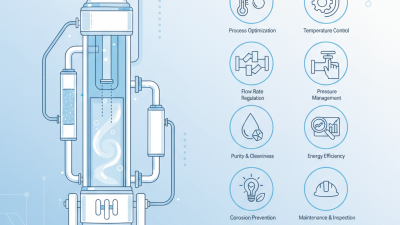
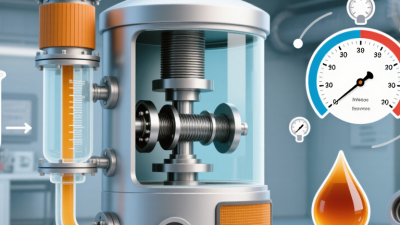
How to Choose a Luwa Thin Film Evaporator?
Choosing a luwa thin film evaporator is a process decision, not a simple equipment purchase. The right model must match your feed, production rate, vacuum conditions, and product sensitivity. A unit that performs well with a clean solvent may struggle with sticky, heat-sensitive, or crystallizing materials.
Start with the material. Measure viscosity across operating temperatures. Record solids content, boiling behavior, corrosion risks, and fouling tendencies. These details affect rotor design, heating area, wiping performance, and residence time. A pilot trial can reveal what a brochure cannot. Watch the film form on the heated wall. Check whether the discharge remains steady.
Small details matter.
Consider the complete operating environment. Ask how the evaporator connects with the feed system, condenser, vacuum pump, and collection vessel. Confirm the available heating medium and the required temperature range. Stainless steel may suit one process, while a special alloy may be necessary for another. Surface finish and seal selection also deserve attention, especially during continuous operation.
Supplier experience matters, but it should not replace verification. Request performance data from similar applications, maintenance records, and clear assumptions behind capacity estimates. Compare actual residence time, energy use, cleaning demands, and expected product quality. The cheapest option may create hidden costs through downtime or difficult maintenance. Even experienced teams can misjudge scale-up behavior. That is why testing, documented calculations, and practical operator feedback should guide the final choice of a luwa thin film evaporator.
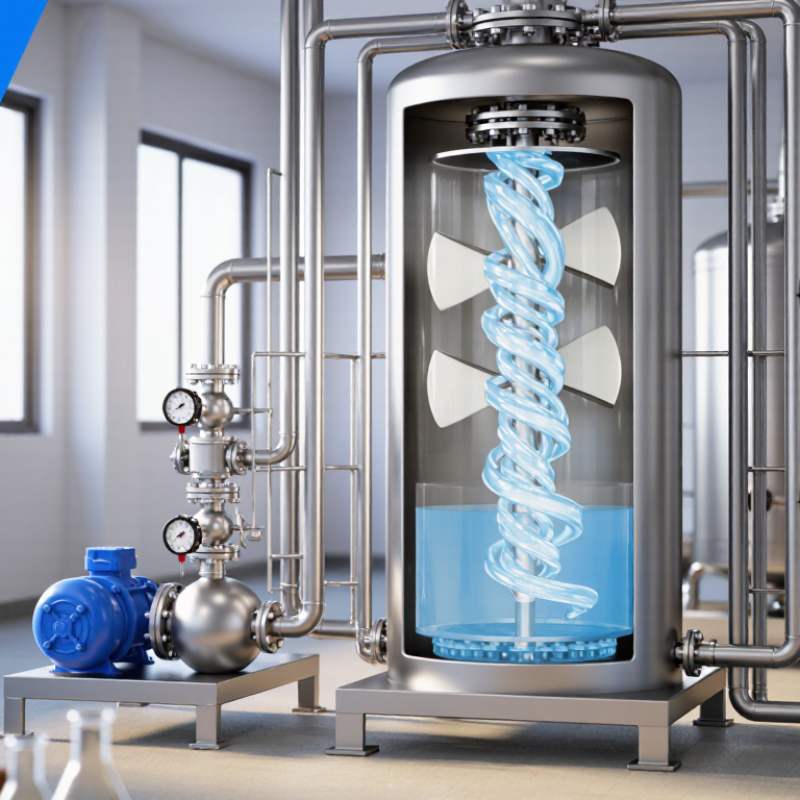
Define the Processing Requirements for a Luwa Thin Film Evaporator
How to Choose a Thin Film Evaporator?
Define the processing requirements before comparing equipment. Record feed rate, solids content, viscosity, heat sensitivity, boiling temperature, and target moisture. These values control rotor speed, heating area, vacuum level, and residence time. A thin film evaporator is not automatically suitable for every difficult feed.
Energy demand deserves close attention. The U.S. Department of Energy’s Industrial Decarbonization Roadmap reports that process heating represents about 51% of onsite manufacturing energy use. Therefore, compare heating steam, thermal oil, or electrical demand under realistic operating conditions. The International Energy Agency also identifies industrial heat efficiency as a major decarbonization opportunity.
Pilot testing remains valuable. A laboratory result may not predict fouling after eight continuous hours. That assumption needs checking.
Tips:
Measure viscosity at actual operating temperature, not room temperature. Ask for residence-time data, cleaning requirements, and heat-transfer performance. Include seasonal feed variation in the specification. A small change in solids can sharply increase torque. Also define acceptable product color, degradation, and final moisture. These details sound ordinary. They prevent expensive redesigns. A perfect specification rarely exists, so document every uncertain value and test it during trials.
Evaluate Feed Properties and Select the Suitable Evaporation Method
How to Choose a Thin Film Evaporator
Evaluate the feed before selecting an evaporation method. Record viscosity at processing temperature, solids content, boiling range, moisture level, and heat sensitivity. A thick, sticky feed may resist distribution across the heating surface. A low-viscosity liquid may perform better in a falling-film system. Small details matter.
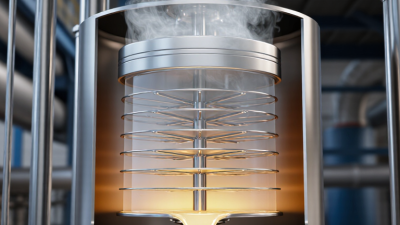
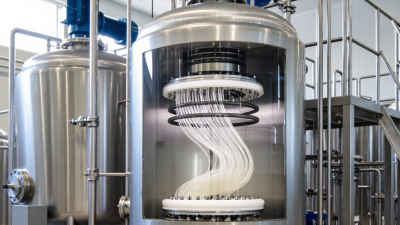
For heat-sensitive products, use short residence time and strong vacuum control. A wiped-film evaporator can handle viscous materials, concentrated solutions, and feeds that foul easily. Its rotating blades renew the liquid film and reduce local overheating. For dilute, free-flowing feeds, a falling-film design may provide efficient heat transfer and higher throughput. Foaming requires careful vapor-space design and controlled feed rates.
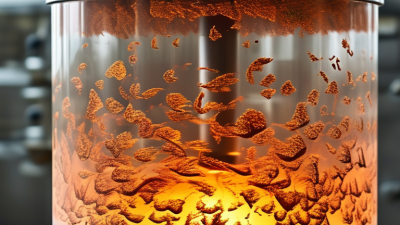
Pilot testing should measure outlet concentration, product color, viscosity, and thermal exposure. Test the actual feed, not only a clean laboratory substitute. In practical trials, a feed can appear stable for one hour, then form deposits after several cycles. That result deserves attention. Cleaning frequency, seal performance, and heat-transfer decline should also be recorded. Do not choose equipment from viscosity alone. Particle size, crystal formation, and dissolved gases can change the result. A modest pilot test often reveals weaknesses that process calculations miss.
Determine Capacity, Operating Conditions, and Heat Transfer Needs
How to Choose a Thin Film Evaporator?
Choosing a thin film evaporator starts with the feed, not the catalog. Record flow rate, solids content, viscosity, boiling point, and heat sensitivity. Capacity must cover normal production and short-term peaks without creating an unstable film. Include expected fouling, cleaning time, and seasonal changes in the calculation. An oversized unit may waste energy and reduce control at low throughput. Pilot testing remains valuable.
Define operating conditions before comparing heat transfer areas. Set the inlet temperature, vacuum level, outlet temperature, and allowable residence time. These values determine evaporation duty and influence product quality. For viscous feeds, stronger distribution and adequate wall wetting may matter more than nominal area. Choose a heating medium that supports steady control, not merely a high maximum temperature. Check material compatibility, gasket limits, and cleaning procedures with process engineers. Small assumptions can become expensive.
Tips: Build a simple heat balance using measured feed data. Ask for a design margin, but challenge vague safety factors. Compare heat-transfer coefficients from similar fluids, then confirm them with trials. Inspect sample deposits after testing. Clean surfaces often reveal more than polished specifications. Document every change.
Verify Safety, Maintenance, Automation, and Total Ownership Costs
How to Choose a Thin-Film Evaporator?
Safety should be verified before capacity. Check pressure relief, vacuum protection, temperature interlocks, emergency shutdowns, and solvent compatibility. IEC 61511 supports a lifecycle approach for safety instrumented systems. Ask suppliers for test records, not only certificates. The U.S. Department of Energy reports that strong operation and maintenance practices can reduce industrial energy use by 5–20%. This matters when heating, vacuum, and cooling run continuously. A small seal leak can become a large utility cost.
Tip: Request a maintenance demonstration. Watch how quickly operators access wipers, seals, bearings, and inspection points. Plant Engineering’s 2023 Maintenance Report shows that preventive and predictive maintenance remain major industrial priorities. Still, maintenance hours are often underestimated during purchasing. I would not trust a polished uptime promise without spare-parts lead times, cleaning procedures, and technician training.
Automation should improve visibility, not simply add screens. Confirm historian access, alarm management, recipe control, remote diagnostics, and cybersecurity responsibilities. The International Society of Automation recommends documented control, access, and change-management practices. Compare total ownership costs over ten years. Include electricity, steam, cooling water, labor, consumables, downtime, software, validation, and disposal. Use site-specific data. A generic payback model can mislead. One uncomfortable question remains: what happens when the automation fails? A practical design should permit safe manual intervention, clear alarms, and recovery without damaging the product.
How to Choose a Thin Film Evaporator
Selection checklist coverage across safety, maintenance, automation, and total ownership costs.
Each category contains four practical verification points. Confirm pressure and temperature protection, cleaning and spare-parts access, control-system capabilities, and the full cost of energy, labor, consumables, and downtime before making a purchase decision.