China Top Rotating Film Evaporator Manufacturers?

China’s equipment market offers a wide range of rotating film evaporator systems, from compact laboratory units to production-scale lines. For buyers comparing manufacturers, the central question is not simply who appears first in a search result. It is whether a supplier can match the process, document the design, and support the equipment after installation.

A rotating film evaporator spreads liquid into a thin film across a heated surface, helping remove volatile components. In practice, useful comparisons include evaporation capacity, feed viscosity, operating pressure, wetted materials, sealing arrangement, and cleaning access. Ask for drawings, material certificates, performance data, and references for similar applications. Small details matter. A difficult drain or an undersized condenser can affect daily operation more than a polished brochure suggests.

This overview considers how to assess China-based manufacturers, rather than treating “top” as a universal ranking. Product quality and service capability can vary by model and project, so claims should be checked against technical documents and, where possible, a factory or video inspection. It is also worth asking who handles commissioning, spare parts, and troubleshooting in your region. No supplier is perfect. Even a strong shortlist may need revision after sample testing and a careful review of actual process conditions. The right choice is the one supported by evidence, clear communication, and realistic operating expectations.
China Top Rotating Film Evaporator Manufacturers?

Rotating Film Evaporators: Design and Operating Principles

Rotating Film Evaporators: Design and Operating Principles

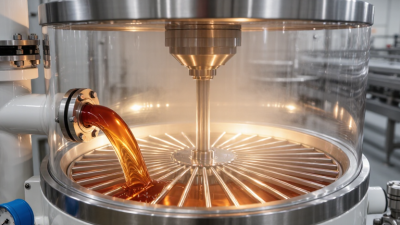
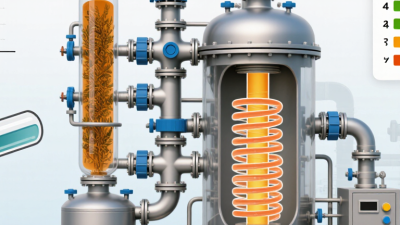
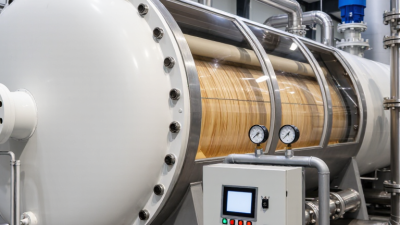
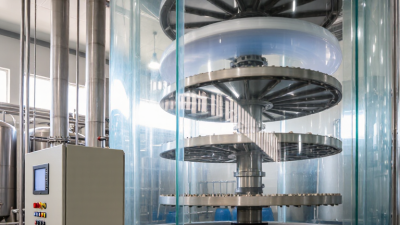
A rotating film evaporator spreads incoming liquid across a heated cylindrical wall. Rotor blades keep the film moving, renewing contact with the surface and helping limit hot spots. Under vacuum, the liquid can boil at a lower temperature, which may protect heat-sensitive materials. Performance depends on feed rate, rotor speed, film thickness, and the liquid’s viscosity. Small changes matter.

The U.S. Department of Energy’s 2015 Bandwidth Study on U.S. Manufacturing reports that process heating accounts for about 36% of manufacturing energy use. This figure is not specific to evaporation, but it highlights why heat transfer and insulation deserve close attention. In operation, monitor wall temperature, vacuum pressure, and product flow together. A stable vacuum alone does not guarantee a uniform film. That distinction is easy to miss.

Tips: Check that the feed wets the heated wall evenly. Watch for deposits near the inlet, where uneven flow can begin. Record operating conditions during trials; results from one liquid may not transfer to another. Rotating film systems can reduce exposure time, but they are not automatically gentle or energy-efficient. Poor setup still costs product.

Industrial Applications of Rotating Film Evaporators

China Top Rotating Film Evaporator Manufacturers?
Industrial Applications of Rotating Film Evaporators

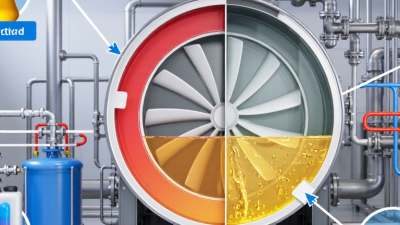
Rotating film evaporators serve industries that need to concentrate liquids gently and continuously. Common uses include processing food ingredients, fine chemicals, and heat-sensitive pharmaceutical materials. A rotor spreads feed across a heated surface, creating a thin film. Under vacuum, the liquid can boil at a lower temperature and remain in the equipment for less time. That matters. It can help limit heat damage, though results depend on the feed and operating conditions.

In chemical production, these systems can concentrate solutions or recover useful solvents from process streams. Food processors may use them for flavor extracts or other temperature-sensitive ingredients. A practical detail: uneven feeding can create dry patches, while foaming may carry droplets into the vapor line. Not every feed behaves. Pilot trials help operators check viscosity, fouling, and product quality before choosing a production setup. Results can be messy, and a successful trial may not predict every change at full scale.

Tips: Keep the feed rate steady, inspect the rotor and seals, and monitor vacuum pressure. Confirm material compatibility and cleanability for the actual product.

China Top Rotating Film Evaporator Manufacturers? - Industrial Applications of Rotating Film Evaporators

Industrial Sector Typical Feed Material Common Process Purpose Why a Rotating Film Evaporator May Be Used Key Design and Operation Considerations
Chemical processing Heat-sensitive intermediates, specialty chemicals, and solvent-containing mixtures Remove volatile solvents, concentrate products, or separate components with different volatilities A mechanically spread thin film can support rapid heat transfer and short product residence time. Material compatibility, vacuum requirements, thermal stability, and the viscosity of the feed should be assessed.
Pharmaceuticals and fine chemicals Active ingredients, intermediates, and solvent-based process streams Concentrate or purify products while limiting exposure to elevated temperatures Vacuum operation can lower boiling temperatures, while the wiped film helps maintain contact between the liquid and heated surface. Confirm cleanability, containment, product recovery, and applicable process-quality requirements for the intended installation.
Food and nutraceuticals Oils, extracts, flavor compounds, and other heat-sensitive liquids Concentrate products or remove volatile components Short exposure to heat can be useful when product quality is sensitive to prolonged heating. Food-contact materials, hygienic design, cleaning procedures, and protection against oxidation may be important.
Petrochemicals and lubricants High-boiling fractions, used-oil streams, and viscous residues Separate volatile fractions or recover valuable components from heavier material The rotating wiper distributes viscous liquid over the heated wall and can help reduce stagnant zones. Evaluate feed viscosity, fouling tendency, solids content, corrosion risk, and the required vacuum level.
Polymers and resins Polymer solutions, resin intermediates, and viscous oligomer streams Remove residual monomers or solvents and increase product concentration Continuous surface renewal can support evaporation from materials that are more difficult to process in conventional vessels. Check viscosity across the operating range, thermal sensitivity, fouling behavior, and the ability to discharge the concentrated product.
Bio-based chemicals Fermentation-derived products, organic acids, and solvent extracts Concentrate or recover product from process liquids Vacuum evaporation can be considered for products that are sensitive to high temperatures. Feed pretreatment, solids handling, foaming, corrosion, and downstream recovery requirements should be considered.
Waste-solvent recovery Mixed solvent streams and process liquids containing recoverable volatile compounds Recover reusable solvent and reduce the volume of residual waste Continuous evaporation may suit recovery duties where feed composition and product requirements are well characterized. Assess solvent compatibility, flammability controls, condenser capacity, emissions management, and residue handling.

Note: Application suitability depends on feed properties, required product quality, operating pressure, heating conditions, and equipment configuration. Process testing and engineering review are recommended before equipment selection.

Criteria for Evaluating Chinese Manufacturers

When comparing Chinese rotating film evaporator manufacturers, look beyond catalog capacity and polished workshop photos. Ask how the rotor, scraper, and heating jacket are manufactured and inspected. Request material certificates for product-contact surfaces, plus clear drawings showing seals, connections, and cleaning access. Ask for evidence.

A useful evaluation includes a witnessed factory test. Check whether the machine reaches the stated vacuum and maintains stable temperature during operation. Ask for test conditions, not just headline figures. If possible, observe a run with a comparable liquid and record feed rate, outlet temperature, and residue. Test it under load. A neat demonstration with water may not predict performance with a viscous or heat-sensitive product.

Review service arrangements before placing an order. Confirm which spare parts are stocked, how quickly technical staff respond, and whether manuals include wiring diagrams and maintenance intervals. Speak with customers who operate similar equipment, if references are available. Photos alone are weak evidence. Keep in mind that factory visits and sample tests cannot reveal every issue; production consistency may vary between units. I would treat unusually broad performance claims cautiously and ask the manufacturer to explain the assumptions behind them.

Criteria for Evaluating Chinese Rotating Film Evaporator Manufacturers

Suggested buyer-assigned evaluation weights for comparing suppliers. These are a screening framework, not measured market data or ratings of individual manufacturers.

Prioritize documented technical specifications, material information, and performance data. Verify compliance documents, service coverage, spare-parts availability, warranty terms, and delivery commitments against your project requirements.

Profiles of Notable Rotating Film Evaporator Manufacturers in China

China Top Rotating Film Evaporator Manufacturers?

Profiles of Notable Rotating Film Evaporator Manufacturers in China

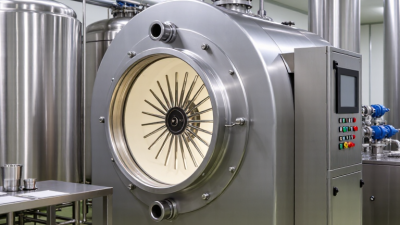
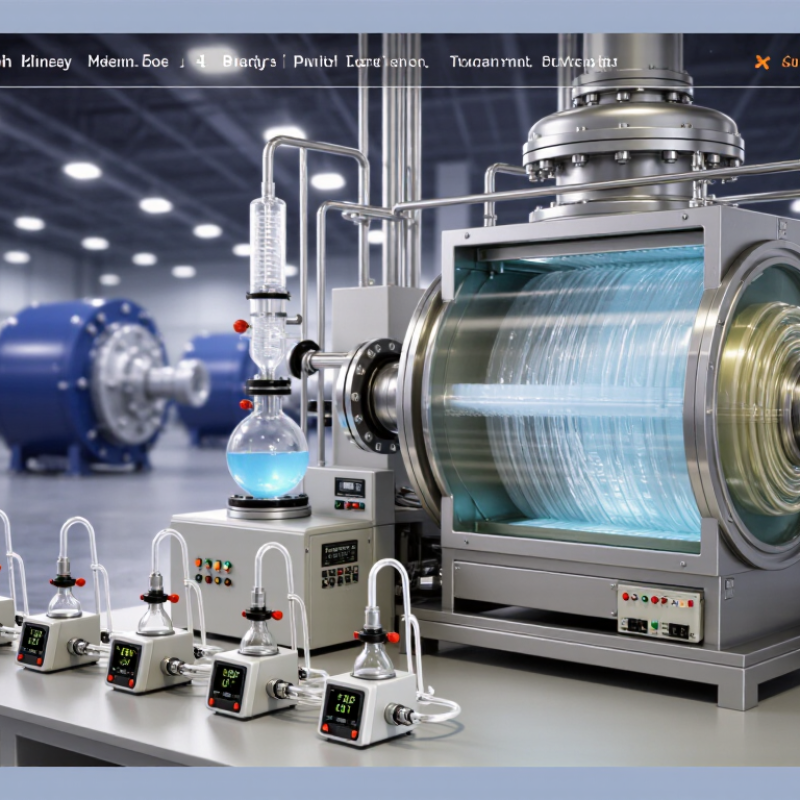
China’s rotating film evaporator suppliers vary more by engineering focus than by headline specifications. Some specialize in compact laboratory units, with glass assemblies, clear sight lines, and easy access for cleaning. Others build pilot or production-scale systems, emphasizing stainless-steel construction, stable vacuum control, and configurable heating areas. These are useful profiles, not a definitive ranking.

A capable manufacturer should explain how its rotor, scraper design, and film thickness suit a specific liquid and operating temperature. Ask for details on wetted materials, seal replacement, condenser capacity, and available test data. A neat control panel is helpful, but it cannot compensate for poor heat transfer or an unstable vacuum. Small details count.

Service quality deserves equal attention. Check whether installation guidance, spare parts, and troubleshooting support are available after delivery. Published specifications may not reflect performance with a buyer’s actual feed, so request a trial or a clear test protocol when possible. Comparisons are not always apples to apples; that is easy to overlook. A careful review of drawings, operating limits, and maintenance access can reveal more than a short product brochure.

Comparing Product Quality, Customization, and After-Sales Support

When comparing rotating film evaporator manufacturers, product quality means more than polished glassware. Buyers should examine glass thickness, joint finish, seal materials, and rotor alignment. Stable vacuum, even bath heating, and smooth lift movement matter during repeated solvent removal. Ask for inspection records and a demonstration using a representative load, not only an empty flask. Small details matter.

Customization should solve a real process constraint. Confirm available flask sizes, condenser area, receiving-flask capacity, lift clearance, and control options. For viscous or heat-sensitive samples, discuss rotation range and temperature uniformity with an engineer. Verify electrical supply and installation space before ordering. More options are not always better. Extra features can complicate cleaning or maintenance, and buyers sometimes discover this too late.

After-sales support is often tested months after delivery. Ask how quickly technicians respond, which spare parts are stocked, and whether remote troubleshooting includes clear vacuum and temperature checks. Request manuals, maintenance intervals, and practical operator training. Answers should be specific, documented, and consistent across sales and service teams. Published specifications rarely show everyday usability. Compare support commitments and service history alongside price, then record unresolved questions before purchase.