Top 10 Types of Used Wiped Film Evaporators for Sale

Used wiped film evaporators are designed to process heat-sensitive, viscous, or high-boiling materials through a thin, continuously renewed liquid film. Their rotating wipers spread feed across a heated surface, while vacuum can help lower operating temperatures. For buyers comparing the top 10 types of used wiped film evaporators for sale, the label alone tells only part of the story. A short-path unit, for example, may suit a different separation duty than a standard wiped-film model. Details matter.

This guide introduces common configurations and explains what to check before considering a used wiped film evaporator. Look at the evaporator’s surface area, rotor design, construction materials, drive, seals, and available controls. Match these features to the process, not just the advertised capacity. Ask for service records, equipment dimensions, operating history, and clear photos of the product-contact surfaces. If possible, have a qualified engineer review the specifications and assess the machine’s condition. A clean listing is not proof of reliable performance, and an incomplete record should prompt questions. Not every unit will fit. The right choice depends on feed properties, throughput, temperature limits, and site requirements. Some details may remain uncertain until inspection, so comparisons should state their assumptions. With careful checks, buyers can better understand how each type differs and which used equipment merits closer evaluation.
Top 10 Types of Used Wiped Film Evaporators for Sale

What Used Wiped Film Evaporators Are and How They Are Classified

What Used Wiped Film Evaporators Are and How They Are Classified

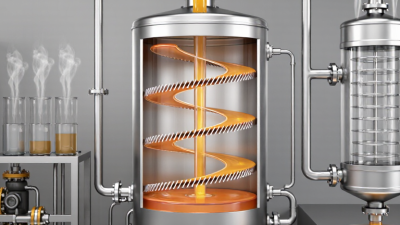
A used wiped film evaporator is a thin-film processing unit with a heated vertical surface and a rotating wiper assembly. The wipers spread incoming liquid into a moving film, helping heat transfer and vapor removal. Short residence time can suit heat-sensitive materials, though actual performance depends on feed properties and operating conditions. It is not a plug-and-play guarantee.

These machines are commonly classified by rotor design, heating arrangement, and process duty. Fixed or hinged wipers handle films differently; some units use internal condensers, while others connect to external systems. Evaporators may also be described as single-stage or multi-stage, depending on how vapor and liquid pass through the process. Construction materials and surface area matter, too. Classification helps narrow a search, but it can oversimplify a machine’s condition.

Tips: Ask for the heated area, rotor speed range, vacuum rating, and a clear equipment history. Inspect seals, shaft alignment, wiper clearance, and the jacket for leaks or corrosion. Request operating records when available. A clean exterior tells little. Used equipment often has small imperfections, so verify that its configuration matches your feed and cleaning needs before purchase.
How Wiped Film Evaporators Separate Heat-Sensitive Materials

Top 10 Types of Used Wiped Film Evaporators for Sale

How Wiped Film Evaporators Separate Heat-Sensitive Materials

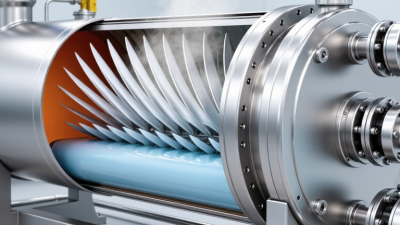
Heat-sensitive materials can lose quality when exposed to high temperatures for too long. A wiped film evaporator helps limit that exposure. Feed enters a heated chamber, where rotating blades spread it across the inner wall as a thin, moving film. More surface area means heat can transfer quickly. Short contact time matters.

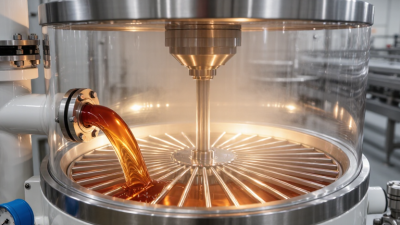
When pressure is reduced, a liquid’s boiling temperature also falls. Volatile components evaporate from the film, while less volatile material continues toward the residue outlet. The vapor travels to a condenser and becomes liquid again, allowing the separated streams to be collected independently. The process is controlled, but not effortless. Feed rate, vacuum stability, wall temperature, and rotor speed all influence separation.

For a used unit, inspect the chamber surface, rotor, seals, and drive before judging its suitability. Scratches or uneven wear can disrupt the film. Ask for operating records and, where practical, test with a representative feed. A clean-looking machine is not proof of good performance. Viscosity and heat sensitivity vary between materials, so process trials may still be needed.

Ten Common Types of Used Wiped Film Evaporators for Sale

A used wiped film evaporator is commonly classified by its configuration or intended duty, so categories may overlap. Ten practical listing types include standard vertical, short-path, high-vacuum, single-stage, multi-stage, batch-fed, continuous-feed, solvent-recovery, heat-sensitive-duty, and high-viscosity-duty units. These are useful buying labels, not ten entirely separate designs. Some listings leave out important rotor details.

Standard vertical units spread liquid into a thin film across a heated wall. Short-path models place the condenser close to the rotor, reducing vapor travel distance. High-vacuum machines are selected for low-pressure operation, while multi-stage systems process material through successive evaporation steps. Batch-fed units suit smaller or intermittent runs; continuous-feed designs support steadier throughput. Solvent-recovery and heat-sensitive applications need careful control of temperature and residence time. High-viscosity service calls for a suitable rotor and feed arrangement.

The label alone proves little. Ask for the operating history, process range, and maintenance records. Inspect the rotor, wipers, seals, heating surface, and condenser for wear or corrosion. A vacuum test can reveal leaks that a clean exterior will not show. Check whether the drive and feed system match your material. Even a well-maintained machine may need new seals or wipers. Used listings are sometimes vague, and that deserves a closer look.

Top 10 Types of Used Wiped Film Evaporators for Sale – Ten Common Types of Used Wiped Film Evaporators for Sale

Type or Configuration How It Works Common Applications Key Checks When Buying Used
Vertical Agitated Thin-Film Evaporator A rotating wiper assembly spreads feed into a thin film over a heated vertical surface, while vapors leave the evaporation zone. Concentrating heat-sensitive, viscous, or fouling liquids; removing solvents or other volatile components. Inspect the rotor, wiper blades, heated wall, drive, seals, and evidence of corrosion or product buildup.
Short-Path Wiped Film Evaporator Places a condenser close to the heated evaporation surface, creating a short vapor path and supporting operation under high vacuum. Separating high-boiling or heat-sensitive materials, including specialty oils, intermediates, and fine chemicals. Check vacuum integrity, condenser condition, internal clearances, rotor balance, and the condition of all seals.
Molecular Distillation Unit A specialized short-path arrangement that uses a very short distance between the evaporating surface and condenser to limit vapor travel. High-vacuum fractionation of heat-sensitive, low-volatility substances. Verify the condenser layout, vacuum-system compatibility, rotor and wiper condition, and availability of operating records.
External-Condenser Configuration Routes vapor from the evaporation chamber to a condenser located outside the main evaporator body. Processes where a separate condenser can simplify access, inspection, or condensate collection. Examine vapor piping, joints, condenser surfaces, condensate outlets, and the complete vacuum boundary.
Horizontal Wiped Film Evaporator Uses a horizontal heated chamber and rotating wipers to renew the liquid film along the process surface. Selected continuous concentration and devolatilization duties where a horizontal layout suits the plant. Inspect shaft support, rotor alignment, seals, drainage, and whether the machine can be installed with adequate service access.
Continuous-Feed Wiped Film Evaporator Accepts feed and removes concentrated residue continuously, subject to the machine and process-system design. Steady production of concentrated liquids and continuous solvent or volatile-component removal. Confirm feed and discharge connections, drive condition, controls, and the original design basis for throughput.
Batch-Operation Wiped Film Evaporator Processes a measured charge in a batch sequence; the arrangement depends on the vessel and connected process equipment. Campaign production, product trials, and processes with changing recipes or feed quantities. Check vessel condition, drainability, cleaning access, instrumentation, and whether the available setup supports the intended batch procedure.
Multi-Stage Wiped Film System Connects two or more evaporation stages in series so that successive stages can perform separate concentration or fractionation duties. Multi-step separations where one pass through a single stage is not sufficient. Review the process flow diagram, stage condition, interconnecting lines, controls, and compatibility of the complete system.
High-Viscosity-Duty Configuration Uses a rotor and wiper arrangement selected for the feed’s viscosity and film-renewal requirements; capability is machine-specific. Concentrating viscous residues, polymer solutions, and other difficult-to-flow materials. Request the original viscosity and temperature limits; inspect the rotor, wipers, drive, and residue-discharge arrangement.
Corrosion-Resistant Construction Uses wetted materials and surface finishes chosen for compatibility with the process fluid; the appropriate material depends on the chemistry. Chemically aggressive or purity-sensitive process streams when supported by a documented materials selection. Verify wetted-part material records, inspect for pitting or cracking, and confirm compatibility with the proposed feed and cleaning agents.

Typical Applications and Key Design Differences

Wiped film evaporators suit heat-sensitive, viscous liquids that may foul conventional equipment. Typical feeds include concentrated food ingredients, specialty oils, polymer solutions, and pharmaceutical intermediates. A rotating wiper spreads the liquid into a thin film across a heated wall, reducing residence time. Short exposure matters.

Design differences shape performance. Fixed-clearance blades offer controlled film formation, while flexible or hinged wipers can better handle changing feed conditions. Rotor speed, wall clearance, heating area, and vacuum level affect throughput and product quality. Short-path models place a condenser close to the evaporation surface, helping limit vapor travel under deep vacuum. Not every feed needs that arrangement.

When comparing used units, match the wetted materials and rotor geometry to the actual process, not just the stated capacity. Check the heating jacket, shaft seals, blade wear, and vacuum integrity. Small details matter. A polished interior can still conceal uneven wear, and a seller’s test with water may not predict performance with a sticky feed. There is no universal best rotor. Feed viscosity, fouling tendency, and required product temperature should guide the choice.

Top 10 Types of Used Wiped Film Evaporators for Sale

Typical applications and key design differences

This configuration checklist compares common design traits, not performance ratings. A value of 1 means the feature is typically associated with that configuration; 0 means it is not a defining feature. Configurations can overlap, and individual used machines may differ. Wiped-film systems are commonly used for heat-sensitive, viscous, or high-boiling materials.

How to Assess a Used Wiped Film Evaporator Before Purchase

Top 10 Types of Used Wiped Film Evaporators for Sale

How to Assess a Used Wiped Film Evaporator Before Purchase

A used wiped film evaporator can look clean and still hide costly wear. Request its nameplate, drawings, maintenance records, and process history. Check whether the original design pressure, temperature, and materials match your service. The U.S. Department of Energy’s 2022 Industrial Decarbonization Roadmap estimates that industry uses about 30% of U.S. primary energy. That makes heat-transfer performance worth checking, not guessing.

Inspect the rotor, wipers, and heated wall for scoring, uneven wear, deposits, or corrosion. Measure rotor runout and wiper clearance against the original equipment specifications; there is no safe universal tolerance. Ask for a pressure-boundary inspection and thickness measurements, following applicable ASME Boiler and Pressure Vessel Code requirements. Test the vacuum system for leaks and confirm that shaft seals, bearings, and gearbox operate smoothly. Listen closely. A rough hum matters.

Request operating records showing feed rate, vacuum, temperature, and product output. Compare these with the stated design capacity, then ask how the figures were measured. A short water or compatible-material trial can reveal unstable film distribution, leakage, or poor heat transfer. It is not a substitute for a process-specific test. I would still leave room for uncertainty: old records may be incomplete, and a polished surface proves little about internal condition.